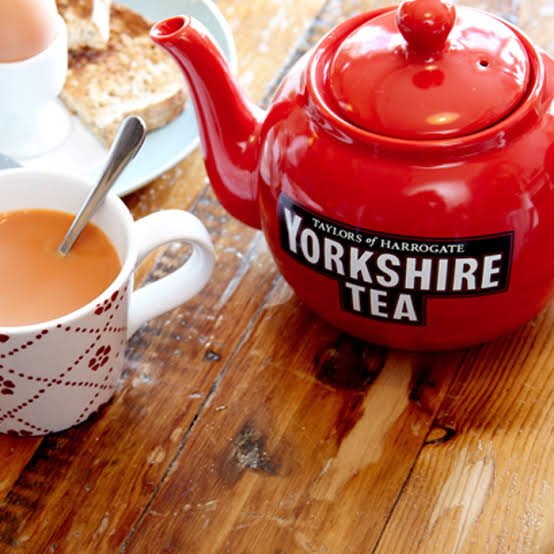

There’s something comforting about wrapping your hands around a warm mug of tea after a long day. Whether it’s a rainy afternoon, a chilly morning, or simply a quiet break from work, tea has a way of slowing life down. Among the many blends available today, Yorkshire Tea has earned a loyal following for its rich flavor, dependable quality, and unmistakably British character.
Yet even the finest tea leaves can disappoint if they’re brewed incorrectly. Surprisingly, many tea lovers use water that’s too hot or too cool, steep the tea for too little time, or forget that the quality of the water itself can completely change the taste.
If you’ve ever wondered why your cup doesn’t taste as good as the one served in a cozy café or at a friend’s home, you’re in the right place. This guide will walk you through everything you need to know about brewing the perfect cup of Yorkshire Tea, from choosing the right water to pairing it with your favorite snacks. Along the way, you’ll discover small details that make a surprisingly big difference.
Why Yorkshire Tea Stands Out
Not all black tea tastes the same. While many brands focus on quantity, Yorkshire Tea has built its reputation around carefully selected tea leaves sourced from some of the world’s finest tea-growing regions.
The blend combines teas from places such as:
- Kenya
- India
- Rwanda
These regions produce strong, flavorful leaves that create a balanced cup with a full-bodied taste and a smooth finish.
What makes Yorkshire Tea especially popular is its consistency. Every box delivers the same reliable flavor, whether you’re making your first cup or your hundredth.
What You’ll Need
Brewing excellent tea doesn’t require expensive equipment. In fact, simplicity is often the key.
Essential Items
| Item | Purpose |
|---|---|
| Yorkshire Tea bags or loose leaf tea | Main ingredient |
| Fresh cold water | Better flavor extraction |
| Kettle | Boiling water |
| Tea mug or teapot | Brewing vessel |
| Timer | Accurate steeping |
| Milk, sugar, honey, or lemon (optional) | Personal preference |
Fresh ingredients always produce the best results.
Start with Fresh Water
Many people underestimate the importance of water.
Tea is mostly water, so the quality of your water directly affects the final taste.
For the best cup:
- Use fresh cold water.
- Avoid reheating water multiple times.
- Filter hard water if necessary.
- Bring water to a full boil.
Freshly boiled water contains more oxygen, helping the tea leaves release their full flavor.
Choosing the Right Brewing Method
There are two popular ways to prepare Yorkshire Tea.
Tea Bag Method
This is the quickest and most common option.
Simply place one tea bag into your favorite mug and pour freshly boiled water over it.
Loose Leaf Method
Many tea enthusiasts prefer loose leaf because the leaves have more room to expand.
Use roughly one teaspoon per cup and brew inside a tea infuser or teapot.
Although both methods work beautifully, loose leaf tea often creates a richer aroma.
The Perfect Water Temperature
Temperature matters more than many people realize.
For Yorkshire Tea, the ideal water temperature is:
100°C (212°F)
Black tea requires boiling water to fully extract its natural flavors.
If the water is too cool, the tea may taste weak.
If it sits too long after boiling, it gradually loses heat before reaching the cup.
How Long Should You Brew Yorkshire Tea?
Steeping time determines the balance between strength and smoothness.
Here’s a simple guide.
| Brewing Time | Flavor |
| 2 minutes | Light and delicate |
| 3–4 minutes | Balanced and full flavor |
| 5 minutes | Strong and bold |
| Over 6 minutes | May become bitter |
Most tea lovers agree that around four minutes delivers the perfect balance.
Using a timer helps create consistent results every time.
Should You Squeeze the Tea Bag?
This topic sparks endless debate among tea drinkers.
Some gently squeeze the tea bag against the side of the mug.
Others avoid it entirely.
The reason?
Pressing too hard can release additional tannins, making the tea slightly bitter.
If you prefer a smoother cup, simply lift the tea bag out without squeezing.
Adding Milk the Right Way
One reason Yorkshire Tea is so popular is that it pairs beautifully with milk.
However, timing matters.
The easiest method is:
- Brew the tea first.
- Remove the tea bag.
- Add a splash of fresh milk.
- Stir gently.
Too much milk hides the tea’s natural richness.
A small splash usually creates the ideal creamy texture.
Sweeteners: Should You Add Sugar or Honey?
There’s no right or wrong answer.
Some people enjoy the natural malty notes of Yorkshire Tea without any sweetener.
Others prefer:
- White sugar
- Brown sugar
- Honey
- Maple syrup
- Stevia
Try tasting the tea before adding anything.
You may discover that it doesn’t need sweetening at all.
Best Foods to Enjoy with Yorkshire Tea
Tea becomes even better when paired with the right food.
Popular combinations include:
- Buttered toast
- Digestive biscuits
- Shortbread
- Scones with jam
- Victoria sponge cake
- Chocolate cake
- Fruit cake
- Cheese sandwiches
- Crumpets
- Butter cookies
For breakfast, Yorkshire Tea also pairs wonderfully with eggs on toast.
Common Mistakes That Ruin a Good Cup
Even premium tea can’t overcome poor brewing habits.
Avoid these common mistakes:
Using Old Water
Fresh water always produces brighter flavor.
Brewing Too Long
Over-steeping creates bitterness.
Water That Isn’t Hot Enough
Black tea requires boiling water.
Too Much Milk
A heavy pour masks the tea’s character.
Cheap Cups with Residue
Old detergent residue can affect taste surprisingly quickly.
Small improvements often create noticeably better tea.
Different Yorkshire Tea Varieties
One reason people love Yorkshire Tea is the growing selection.
Popular varieties include:
- Yorkshire Tea Original
- Yorkshire Gold
- Yorkshire Tea Hard Water Blend
- Yorkshire Tea Decaf
- Yorkshire Tea Biscuit Brew
- Yorkshire Tea Bedtime Brew
Each version offers a slightly different experience while maintaining the brand’s signature smoothness.
Is Yorkshire Tea Good for Everyday Drinking?
Absolutely.
Many tea drinkers enjoy several cups each day.
Some potential benefits include:
- Naturally refreshing
- Contains antioxidants
- Moderate caffeine content
- Helps create relaxing routines
- Pairs well with meals
- Suitable for breakfast or afternoon tea
As with any caffeinated beverage, moderation remains important.
Storage Tips for Fresh Tea
Even premium tea loses flavor if stored incorrectly.
Keep your tea:
- Inside an airtight container
- Away from moisture
- Away from direct sunlight
- Away from strong kitchen odors
- In a cool, dry cupboard
Avoid storing tea in the refrigerator because moisture can damage the leaves.
Yorkshire Tea vs Other Black Tea Brands
Every tea brand has its own character.
Here’s a general comparison.
| Feature | Yorkshire Tea | Typical Black Tea |
| Strength | Rich | Medium |
| Body | Full | Varies |
| Smoothness | Excellent | Moderate |
| Milk Compatibility | Outstanding | Good |
| Everyday Drinking | Excellent | Good |
| Consistency | Very High | Varies |
The bold yet balanced flavor explains why many households choose Yorkshire Tea as their everyday favorite.
Expert Tips for Brewing the Best Cup
Professional tea lovers often follow a few simple habits.
- Warm your mug before brewing.
- Always use fresh water.
- Measure your brewing time.
- Avoid over-steeping.
- Drink tea soon after brewing.
- Experiment with milk quantities.
- Try loose leaf occasionally.
- Clean your kettle regularly.
- Replace old tea bags if they’ve been stored for years.
- Use quality mugs that retain heat well.
These small details combine to produce a noticeably better cup.
Final Thoughts
Brewing an outstanding cup of Yorkshire Tea isn’t about complicated techniques or expensive equipment. Instead, it’s about paying attention to the small details that many people overlook. Fresh water, the correct brewing time, boiling temperature, and a balanced amount of milk can completely transform your tea-drinking experience.