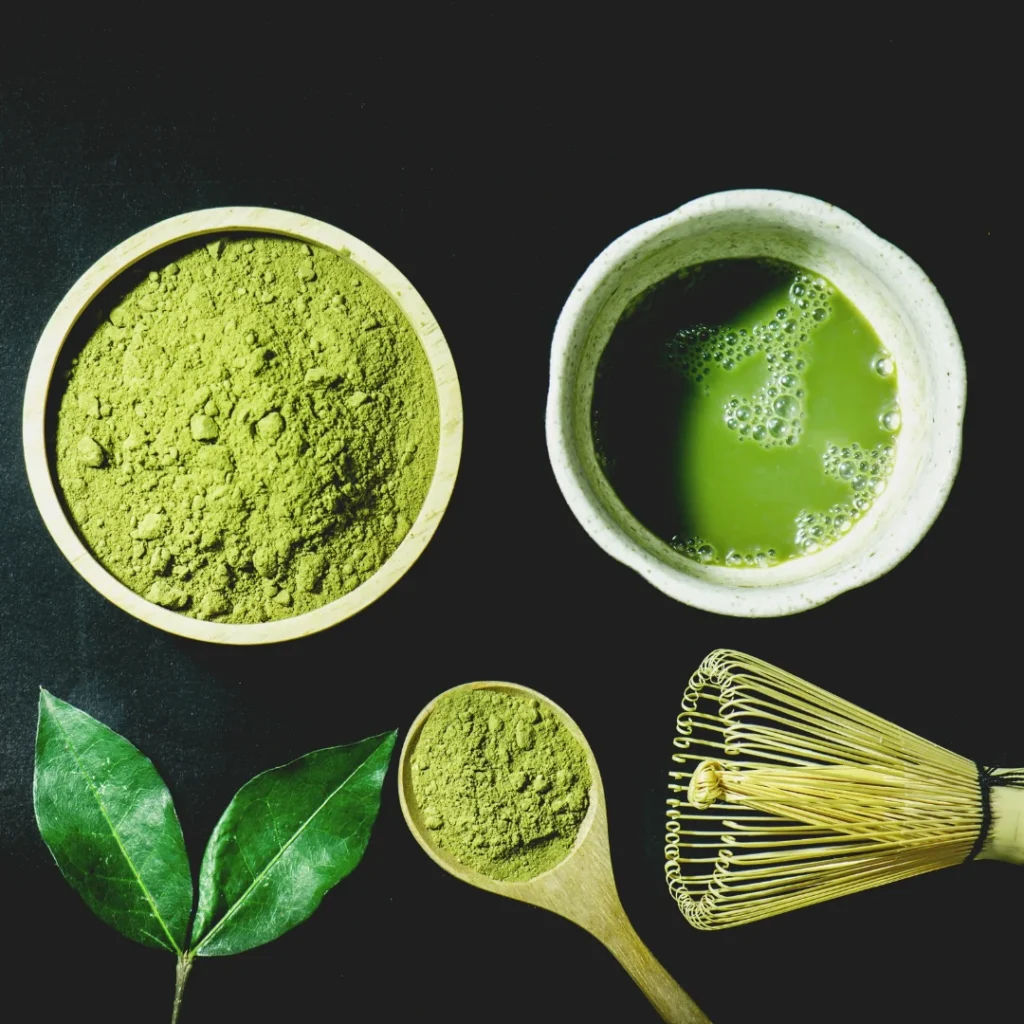

Have you ever wondered why everyone from fitness enthusiasts to coffee lovers suddenly seems obsessed with bright green drinks? Walk into almost any café today, and you’ll probably spot a matcha latte sitting proudly on the menu. Social media is filled with vibrant green smoothies, desserts, and tea ceremonies featuring this unique ingredient. But the real question remains: what is matcha, and why has it become one of the world’s most talked-about superfoods?
The answer goes far beyond its striking color.
Unlike traditional green tea, matcha offers a completely different experience. You’re not simply steeping leaves in hot water—you consume the entire tea leaf in powdered form. That small difference changes everything, from its flavor and nutritional value to its health benefits and caffeine content.
Whether you’re thinking about replacing your morning coffee, improving your wellness routine, or simply satisfying your curiosity, this guide explains what is matcha in detail. We’ll cover its history, nutrition, benefits, uses, preparation methods, and common myths so you can decide whether this famous green powder deserves a place in your daily routine.
What Is Matcha?
At its core, what is matcha can be answered quite simply.
Matcha is a finely ground powder made from specially grown green tea leaves. Instead of brewing tea leaves and throwing them away, you whisk the powder directly into water or milk, allowing you to consume the entire leaf.
This unique preparation gives matcha a richer nutritional profile than regular green tea.
Originally developed in Japan centuries ago, matcha has long been associated with traditional Japanese tea ceremonies. Today, it has evolved into a global wellness trend found in cafés, bakeries, smoothie bars, and home kitchens.
Its bright emerald color comes from increased chlorophyll production while the tea plants are grown under shade before harvest.
The Fascinating History of Matcha
Understanding what is matcha also means exploring its fascinating origins.
Matcha first appeared in China during the Tang Dynasty, where tea leaves were steamed and ground into powder. Buddhist monks later introduced this method to Japan in the 12th century.
Japanese tea masters refined cultivation techniques over hundreds of years, transforming matcha into the ceremonial beverage known today.
Eventually, matcha became deeply connected to:
- Zen Buddhism
- Meditation practices
- Japanese tea ceremonies
- Hospitality traditions
- Mindfulness rituals
Today, its popularity extends far beyond Japan, becoming a staple in health-conscious lifestyles worldwide.
How Matcha Is Grown
One reason many people ask what is matcha is because its cultivation differs dramatically from ordinary green tea.
About three to four weeks before harvest, tea farmers cover the plants with shade cloths.
This process encourages:
- Higher chlorophyll production
- Increased amino acids
- Richer green color
- Sweeter taste
- Higher L-theanine levels
Only the youngest, most tender leaves are picked by hand before being steamed, dried, and carefully stone-ground into an ultra-fine powder.
What Makes Matcha Different from Green Tea?
Although both come from the same tea plant (Camellia sinensis), they are far from identical.
| Matcha | Regular Green Tea |
|---|---|
| Entire leaf consumed | Leaves discarded after brewing |
| Powdered texture | Whole leaves or tea bags |
| Higher antioxidants | Lower antioxidant intake |
| Rich umami flavor | Light grassy flavor |
| More caffeine | Less caffeine |
| Brighter green color | Pale green or yellow |
This difference explains why learning what is matcha often surprises people.
Matcha Nutrition Facts
One serving of matcha contains a surprisingly impressive range of nutrients.
Typical Nutritional Profile
| Nutrient | Approximate Amount |
|---|---|
| Calories | 5–10 |
| Protein | Less than 1 g |
| Carbohydrates | 1–2 g |
| Fiber | Small amount |
| Vitamin C | Trace |
| Vitamin A | Small amount |
| Potassium | Moderate |
| Chlorophyll | High |
| Catechins | Very High |
| EGCG | Extremely High |
Perhaps the biggest nutritional advantage comes from antioxidants, particularly epigallocatechin gallate (EGCG), which has been widely studied.
Health Benefits of Matcha
When discussing what is matcha, its health benefits naturally become one of the biggest topics.
Rich in Antioxidants
Matcha contains significantly more antioxidants than standard brewed green tea because the whole leaf is consumed.
Antioxidants help protect the body’s cells from oxidative stress caused by free radicals.
Supports Mental Focus
One of matcha’s unique compounds is L-theanine.
Unlike coffee, which often causes sudden energy spikes and crashes, matcha delivers calm alertness by combining caffeine with L-theanine.
Many students, writers, and professionals enjoy matcha before work because it promotes concentration without excessive jitters.
Provides Steady Energy
Matcha contains moderate caffeine.
Instead of producing a rapid burst of energy, it creates a slower, longer-lasting boost.
Many users describe it as smoother than coffee.
May Support Heart Health
Research suggests green tea compounds may help maintain:
- Healthy cholesterol levels
- Normal blood pressure
- Healthy circulation
These benefits are linked to its antioxidant content.
May Help with Weight Management
Although matcha is not a miracle weight-loss solution, it may support healthy metabolism when combined with balanced eating and regular exercise.
Many fitness enthusiasts include it in their daily routine because it contains very few calories.
Supports Brain Function
Emerging studies suggest the combination of caffeine and L-theanine may improve:
- Memory
- Attention
- Cognitive performance
- Reaction time
Matcha and Caffeine
Many people searching what is matcha really want to know whether it contains caffeine.
Yes, it does.
However, the experience differs from coffee.
| Beverage | Average Caffeine |
|---|---|
| Matcha | 35–70 mg |
| Coffee | 80–120 mg |
| Green Tea | 20–35 mg |
| Black Tea | 40–60 mg |
Because of L-theanine, matcha typically produces sustained energy rather than an abrupt spike.
Popular Ways to Use Matcha
One reason matcha has become so popular is its versatility.
Drinks
- Matcha latte
- Iced matcha
- Hot ceremonial matcha
- Smoothies
- Protein shakes
Breakfast
- Overnight oats
- Yogurt bowls
- Pancakes
- Waffles
- Chia pudding
Desserts
- Ice cream
- Cookies
- Cheesecake
- Brownies
- Muffins
Baking
- Cakes
- Bread
- Donuts
- Macarons
- Cupcakes
Healthy Snacks
- Energy balls
- Granola
- Homemade protein bars
- Frozen yogurt
- Matcha popcorn seasoning
How to Prepare Matcha Properly
Preparing matcha is simple once you understand the basics.
Ingredients
- 1 teaspoon matcha powder
- Hot water (not boiling)
- Bamboo whisk or milk frother
Steps
- Sift the matcha into a bowl.
- Add a small amount of warm water.
- Whisk quickly in a zigzag motion.
- Continue until a smooth foam appears.
- Add additional water or milk if making a latte.
Avoid boiling water, as it can make matcha taste bitter.
Different Grades of Matcha
Not every matcha powder is the same.
Ceremonial Grade
Best for drinking plain.
Characteristics:
- Vibrant green color
- Smooth texture
- Natural sweetness
- Mild bitterness
Premium Grade
Excellent for everyday beverages.
Culinary Grade
Designed for:
- Baking
- Smoothies
- Desserts
- Cooking
It has a stronger flavor that stands up well in recipes.
What Does Matcha Taste Like?
If you’re wondering what is matcha supposed to taste like, expect something quite different from regular tea.
Its flavor combines:
- Earthiness
- Fresh grass notes
- Mild sweetness
- Umami richness
- Slight vegetal character
High-quality ceremonial matcha tastes smoother and less bitter than lower-grade powders.
How to Store Matcha
Proper storage preserves flavor and nutrients.
Keep matcha:
- In an airtight container
- Away from sunlight
- In a cool location
- Protected from moisture
- Sealed immediately after use
Fresh matcha has a brighter color and richer aroma.
Potential Side Effects
Although matcha is generally safe, moderation is important.
Possible side effects include:
- Difficulty sleeping if consumed late
- Mild stomach discomfort on an empty stomach
- Increased caffeine sensitivity
- Temporary headaches in sensitive individuals
Pregnant individuals or those with medical conditions should consult a healthcare professional before consuming large amounts.
Common Myths About Matcha
Myth 1: Matcha Is Just Green Tea
Not exactly.
While both come from the same plant, preparation and nutritional value differ significantly.
Myth 2: Matcha Has No Caffeine
False.
Matcha naturally contains caffeine.
Myth 3: All Matcha Is the Same
Quality varies depending on:
- Harvest season
- Processing
- Origin
- Leaf selection
- Grinding method
Myth 4: Matcha Causes Instant Weight Loss
No single food or beverage can replace healthy habits.
Matcha may support a balanced lifestyle, but lasting results require proper nutrition and exercise.
Tips for Buying Quality Matcha
Look for:
- Bright emerald green color
- Fine powder texture
- Fresh grassy aroma
- Japanese origin
- Airtight packaging
Avoid dull, yellowish, or brown powders, as these often indicate lower quality or age.
Who Should Drink Matcha?
Matcha can be a great choice for many people, including:
- Busy professionals
- College students
- Tea enthusiasts
- Fitness lovers
- People reducing coffee intake
- Home bakers
- Wellness-conscious individuals
However, those highly sensitive to caffeine should start with small servings.
Final Thoughts
By now, the question what is matcha should feel much easier to answer. Matcha is far more than a colorful drink or a passing wellness trend. It’s a centuries-old powdered green tea with a rich cultural history, an impressive nutritional profile, and remarkable versatility.
From its concentrated antioxidants and naturally occurring L-theanine to its smooth, sustained energy, matcha offers a unique experience that sets it apart from ordinary tea and even coffee. Whether you enjoy it as a traditional tea, a creamy latte, a refreshing smoothie, or an ingredient in your favorite desserts, there are countless ways to incorporate it into your routine.