
There’s something oddly satisfying about understanding your own car. You don’t have to be a mechanic to keep your engine healthy, and honestly, you shouldn’t ignore the basics either. One of the simplest yet most important maintenance habits every driver should learn is how to check oil.
It might sound technical at first, but once you do it a couple of times, it becomes second nature. In fact, learning how to check oil can save you from expensive engine repairs, unexpected breakdowns, and even complete engine failure.
Think of engine oil as your car’s lifeblood. Without it, everything inside starts grinding, overheating, and wearing out faster than you can imagine. That’s why knowing how to check oil is not just useful—it’s essential.
In this guide, we’ll walk through how to check oil in your car using 7 easy steps, along with practical tips, common mistakes, and everything else you need to know.
Why Engine Oil Matters More Than You Think
Before jumping into how to check oil, it helps to understand why it even matters.
Engine oil is responsible for lubrication, cooling, and cleaning internal engine components. Without proper oil levels, friction increases, and that leads to engine wear, overheating, and poor performance.
Modern vehicles rely heavily on proper oil circulation through the crankcase, oil pump, and oil filter system. If oil becomes low or dirty, it can trigger a low oil warning or even a dashboard warning light.
Some key functions of engine oil include:
- Reducing friction between engine parts
- Preventing overheating and thermal breakdown
- Cleaning sludge and carbon deposits
- Improving fuel efficiency
- Protecting against corrosion
- Supporting smooth engine operation
Whether you use synthetic oil, semi-synthetic oil, or conventional oil, the process of checking levels remains the same.
What You Need Before Checking Oil
Before learning how to check oil, make sure you have the right conditions:
- A parked car on a level surface
- A cool engine (not recently driven)
- Clean paper towel or cloth
- Good lighting
- Access to the engine bay
- Owner’s manual (optional but helpful)
Many people skip cooling time and rush the process, but that often leads to inaccurate oil dipstick reading results.
How to Check Oil in Your Car: 7 Easy Steps
Now let’s get into the main part—how to check oil properly and safely.
Park Your Car on Level Ground
The first rule in how to check oil is stability. Always park your car on flat ground. If your car is tilted, the oil level inside the oil pan can give false readings.
A flat surface ensures accurate measurement of engine oil level.
Turn Off the Engine and Wait
Never check oil right after driving. Hot engine oil circulates through the system, and you won’t get an accurate reading.
Wait at least 5–10 minutes so the oil settles back into the oil pan and crankcase. This makes the entire process of how to check oil more reliable.
Open the Hood and Locate the Dipstick
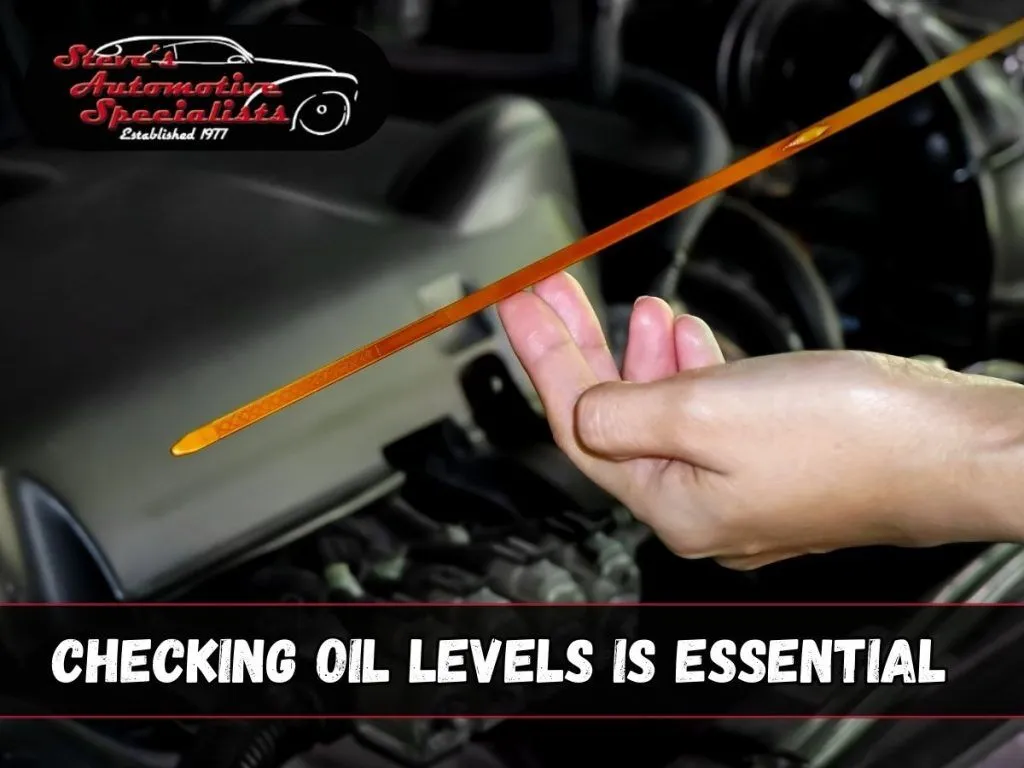
Pop the hood and secure it properly. Now locate the engine oil dipstick, usually marked with a bright handle (yellow or orange).
In most cars, it sits near the engine block. If you’re unsure, your vehicle manual will help you identify it.
Understanding this step is crucial when learning how to check oil in different car models.
Pull Out the Dipstick and Clean It
Remove the dipstick gently and wipe it clean using a cloth or paper towel.
Why? Because the first reading will always be inaccurate due to oil splashes. Cleaning it gives you a fresh, correct measurement.
This is one of the most overlooked parts of how to check oil properly.
Reinsert the Dipstick Fully
Now insert the dipstick back into its tube completely. Make sure it goes all the way in.
This allows it to collect an accurate oil level reading when pulled out again.
Many beginners rush this step while learning how to check oil, but precision matters here.
Pull It Out Again and Check Oil Level
Remove the dipstick slowly and observe the markings. You’ll usually see indicators like:
- MIN and MAX lines
- Low and Full marks
- Crosshatched area
The oil should ideally be between these markings.
If it’s below the minimum line, your engine oil is low. If it’s too high, that can also cause issues like oil foaming or pressure imbalance.
This is the core step in how to check oil accurately.
Step 7: Assess Oil Quality and Reinsert
Don’t just check the level—look at the oil condition too.
Healthy oil is amber and smooth. Old oil may appear dark, gritty, or sludgy.
After checking, reinsert the dipstick securely and close the hood.
Congratulations—you’ve successfully learned how to check oil in your car.
Common Mistakes People Make While Checking Oil
Even though how to check oil is simple, mistakes are very common. Here are a few to avoid:
- Checking oil on an incline
- Not waiting for engine to cool
- Misreading dipstick markings
- Ignoring oil color and texture
- Overfilling engine oil
- Forgetting to wipe dipstick first
- Using wrong oil type (wrong SAE oil grade)
Avoiding these errors improves engine performance and prevents long-term damage.
When Should You Check Your Oil?
Experts recommend checking oil:
- Once every two weeks
- Before long road trips
- After long-distance driving
- If you notice oil leakage
- When low oil warning appears
- During seasonal oil change intervals
Regular checks ensure your engine stays protected and efficient.
Helpful Tips for Better Engine Health
If you want to go beyond just learning how to check oil, these tips will help:
- Always use recommended oil viscosity
- Change oil filter during every oil change
- Keep an eye on fuel efficiency
- Watch for unusual engine noise
- Maintain proper oil pressure levels
- Check for oil leaks under the car
- Avoid delayed oil changes
- Use high-quality engine oil additives when needed
Good maintenance habits reduce engine wear and improve lifespan.
Conclusion
Learning how to check oil is one of the simplest yet most powerful car maintenance skills you can master. It doesn’t require tools, special training, or technical knowledge—just a few minutes and attention to detail.
When you regularly practice how to check oil, you protect your engine from damage, improve performance, and extend the life of your vehicle. It also helps you avoid costly repairs that could have been prevented with a quick inspection.