
Spring mornings can be beautiful until your eyes start itching, your nose won’t stop running, and every breath reminds you that allergy season has arrived. If you’ve ever stepped outside feeling perfectly fine only to spend the next few hours sneezing, you’re not alone. Millions of people deal with seasonal allergies every year, and one number often determines how comfortable their day will be: the pollen count.
The good news is that you don’t have to stay indoors all season. Understanding what the pollen count means and learning a few simple habits can dramatically reduce your allergy symptoms. Small daily changes often make a much bigger difference than people expect.
In this guide, you’ll learn what the pollen count actually measures, why it changes from day to day, and seven practical ways to protect yourself from airborne pollen. Whether your allergies are mild or severe, these tips can help you enjoy the outdoors with fewer interruptions.
What Is the Pollen Count?
The pollen count measures the amount of pollen present in the air over a specific period, usually within 24 hours. Weather stations and monitoring centers collect airborne pollen samples and categorize them into different levels such as low, moderate, high, or very high.
These measurements mainly focus on three common pollen sources:
- Tree pollen
- Grass pollen
- Weed pollen
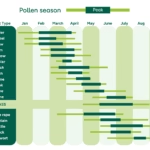
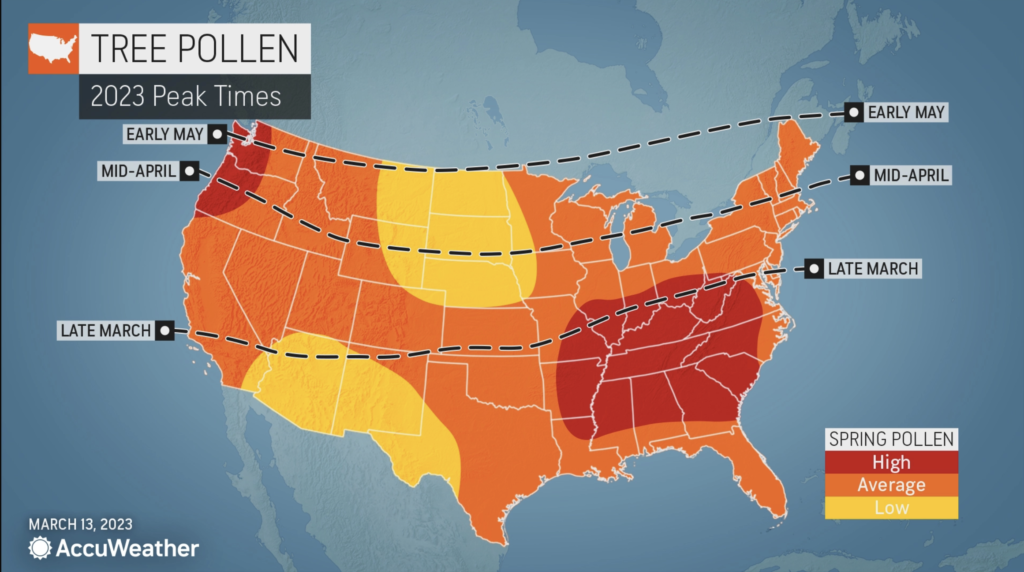
Each type appears during different times of the year depending on your climate and local vegetation.
For allergy sufferers, checking the daily pollen forecast has become just as important as checking the weather. A high pollen count usually means a greater chance of allergy symptoms, while a low count often brings some relief.
Why Does the Pollen Count Change Every Day?
Many people assume pollen levels stay the same throughout allergy season, but that’s far from true.
Several environmental factors influence the daily pollen count.
| Factor | Effect on Pollen Levels |
|---|---|
| Warm temperatures | Increase pollen production |
| Strong winds | Spread pollen over longer distances |
| Rain showers | Temporarily wash pollen from the air |
| Dry conditions | Allow pollen to remain airborne longer |
| Humidity | Can reduce airborne pollen for short periods |
Even two neighboring cities may experience different pollen levels due to local trees, grasses, landscaping, and weather patterns.
Common Allergy Symptoms Caused by High Pollen Count
When pollen enters your nose, eyes, or throat, your immune system may mistakenly identify it as harmful. As a result, it releases histamine, triggering allergic reactions.
Typical symptoms include:
- Sneezing
- Runny nose
- Nasal congestion
- Itchy throat
- Itchy eyes
- Watery eyes
- Red eyes
- Coughing
- Sinus pressure
- Headaches
- Postnasal drip
- Fatigue
- Trouble sleeping
- Reduced concentration
Some people also notice worsening asthma symptoms, including wheezing and shortness of breath.
7 Easy Ways to Reduce Allergy Symptoms
1. Check the Pollen Count Before Going Outside
This may sound obvious, but it’s one of the most effective habits you can develop.
Checking the daily pollen count lets you plan outdoor activities more wisely. On days when pollen levels are high, consider exercising indoors or postponing yard work until conditions improve.
Many allergy sufferers notice a significant improvement simply by avoiding outdoor activities during peak pollen hours.
2. Keep Windows Closed During Peak Allergy Season
Fresh air feels wonderful, but open windows invite pollen into your home.
Instead:
- Use air conditioning
- Replace HVAC filters regularly
- Keep bedroom windows closed
- Clean vents frequently
Your home should be a safe space where airborne allergens stay outside.
3. Shower After Spending Time Outdoors
Pollen sticks to almost everything.
After being outside, pollen collects on:
- Hair
- Skin
- Clothing
- Shoes
- Hats
- Bags
Taking a quick shower removes these allergens before they spread throughout your home or onto your bedding.
Changing clothes immediately also helps reduce indoor pollen exposure.
4. Wear Sunglasses and a Hat
Many people forget that pollen easily lands on eyelashes and hair.
A pair of wraparound sunglasses helps protect your eyes from airborne pollen, while a hat reduces the amount settling in your hair.
It’s a simple habit that often reduces itchy eyes later in the day.
5. Use an Air Purifier Indoors
Indoor air isn’t always cleaner than outdoor air.
A quality HEPA air purifier helps capture:
- Pollen particles
- Dust mites
- Mold spores
- Pet dander
- Airborne allergens
Running one in your bedroom may improve sleep during allergy season because you’re breathing cleaner air overnight.
6. Wash Bedding Frequently
Your pillowcase collects pollen faster than you might think.
Wash these items every week:
- Pillowcases
- Sheets
- Blankets
- Comforters
Using warm water helps remove allergens more effectively.
This small routine often leads to fewer morning allergy symptoms.
7. Take Allergy Medication Before Symptoms Become Severe
Many allergy medications work best when taken before symptoms peak rather than after they become unbearable.
Depending on your doctor’s advice, options may include:
- Antihistamines
- Nasal sprays
- Eye drops
- Decongestants
- Allergy immunotherapy
If your symptoms last throughout the season, speak with a healthcare provider about creating a personalized allergy management plan.
Best Times of Day to Avoid High Pollen Levels
Timing matters more than many people realize.
Generally, pollen concentrations tend to be highest:
- Early morning
- Mid-morning
- Warm, windy afternoons
Lower pollen levels are often found:
- After heavy rain
- During cooler evenings
- On calm days with little wind
Planning walks or outdoor exercise later in the day may help reduce exposure.
Foods That May Help During Allergy Season
Although no food can eliminate allergies, a healthy diet supports your immune system and may help reduce inflammation.
Consider including:
- Citrus fruits
- Berries
- Apples
- Leafy greens
- Tomatoes
- Ginger
- Turmeric
- Yogurt
- Fatty fish
- Green tea
Drinking plenty of water also keeps mucus thinner, making congestion easier to manage.
Indoor Habits That Make a Big Difference
Managing allergies isn’t only about avoiding pollen outside.
Inside your home:
- Vacuum using a HEPA filter.
- Dust furniture regularly.
- Remove shoes at the door.
- Keep pets clean after outdoor walks.
- Dry laundry indoors during high pollen days.
- Clean ceiling fans often.
- Replace air filters on schedule.
- Minimize clutter that collects dust.
These small habits gradually lower your exposure to allergens.
Can Weather Predict Allergy Symptoms?
Absolutely.
Weather directly affects the pollen count, making it one of the biggest predictors of allergy severity.
Sunny Days
Warm sunshine often increases pollen release.
Windy Days
Wind spreads pollen across neighborhoods, increasing airborne concentrations.
Rainy Days
Rain temporarily clears pollen from the air. However, after several warm days, pollen levels may rise again once everything dries.
Dry Weather
Dry conditions allow pollen grains to stay airborne longer, making symptoms worse for many people.
Understanding these patterns helps you prepare before symptoms begin.
When Should You See a Doctor?
Occasional sneezing isn’t usually a concern.
However, seek medical advice if:
- Symptoms last for weeks.
- Over-the-counter medications don’t help.
- You experience severe asthma attacks.
- Sleep is consistently disrupted.
- Daily activities become difficult.
- Sinus infections occur repeatedly.
An allergist can perform allergy testing to identify your specific triggers and recommend targeted treatment.
Myths About the Pollen Count
Myth 1: Rain Ends Allergy Season
Rain only provides temporary relief.
Once conditions become warm and dry again, pollen often returns.
Myth 2: Allergies Only Happen in Spring
Different plants release pollen throughout the year.
Tree pollen dominates spring.
Grass pollen peaks in late spring and summer.
Weed pollen often becomes a problem during late summer and fall.
Myth 3: Staying Indoors Completely Prevents Allergies
Unfortunately, pollen enters homes through clothing, pets, shoes, open doors, and ventilation systems.
Indoor allergy management remains important.
Long-Term Strategies for Allergy Relief
If seasonal allergies affect you every year, think beyond temporary solutions.
Long-term improvements include:
- Tracking your local pollen count every day.
- Scheduling outdoor activities strategically.
- Keeping indoor air clean.
- Building healthy sleep habits.
- Maintaining proper hydration.
- Following a balanced diet.
- Consulting an allergy specialist when symptoms worsen.
- Creating a consistent cleaning routine.
- Managing asthma alongside allergies if necessary.
These habits become easier over time and can noticeably improve your quality of life.
Final Thoughts
Living with seasonal allergies doesn’t mean giving up your favorite outdoor activities. The key is understanding the pollen count and making smarter daily decisions before symptoms take over. Simple habits—checking the forecast, keeping your home as pollen-free as possible, showering after outdoor activities, and following a consistent allergy management routine—can make a noticeable difference.