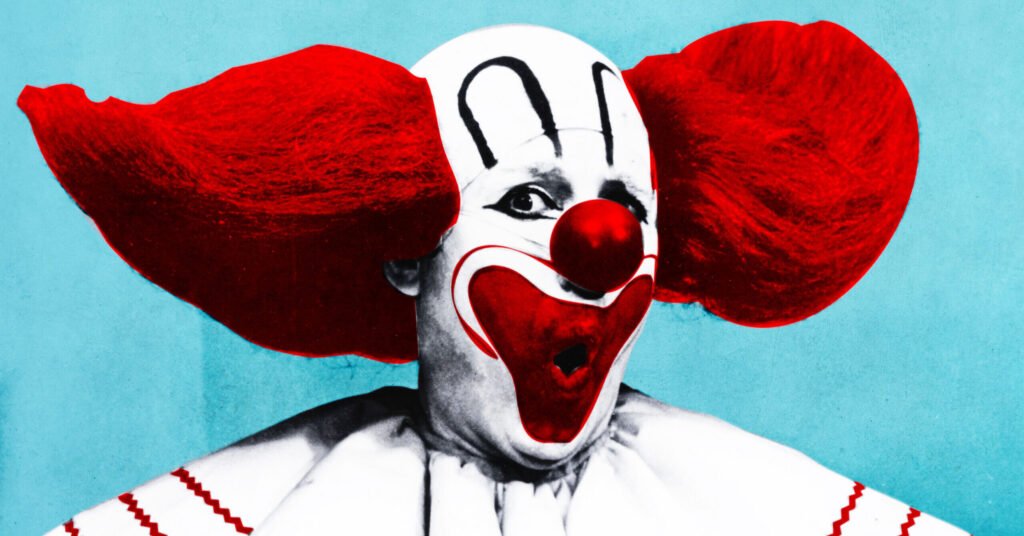

Few entertainment characters have left a mark on popular culture quite like bozo the clown. With his bright red hair, oversized costume, cheerful smile, and unforgettable personality, Bozo became one of the most recognizable clown characters in television history. For decades, children eagerly gathered around their television sets to watch his adventures, play games, and enjoy the fun-filled atmosphere he created.
Yet behind the colorful makeup and laughter lies a fascinating story that many people have never heard. How did Bozo become a household name? Why did he dominate children’s television for so many years? And what made this clown stand apart from countless other entertainers?
The journey of bozo the clown is more than a simple tale about a children’s character. It is a story about innovation, broadcasting history, family entertainment, and the changing face of American television. Whether you’re a longtime fan or someone discovering the character for the first time, the story behind Bozo is filled with surprising twists and memorable moments.
Bozo the Clown Bio
| Information | Details |
|---|---|
| Full Name | Bozo the Clown |
| Date of Birth | Introduced in 1946 |
| Age | Character is approximately 80 years old |
| Profession | Children’s Entertainment Character |
| Nationality | American Character |
| Net Worth (Approx.) | Licensing value varied throughout decades |
| Notable Works / Achievements | Children’s TV Shows, Live Performances, Cultural Icon Status |
The Birth of a Television Legend
The origins of bozo the clown date back to the mid-1940s when the entertainment industry was rapidly evolving. Unlike many clown characters who originated in circuses, Bozo was specifically designed for modern media.
Created as a children’s entertainment figure, Bozo first appeared in storytelling records and illustrated books. The concept quickly gained popularity because children connected with the character’s friendly appearance and playful personality.
As television became more common in American households during the 1950s, producers recognized the potential of Bozo. What started as a simple character soon transformed into a television phenomenon.
The timing was perfect. Families were searching for wholesome programming, and children’s television was experiencing explosive growth. Bozo filled that need with colorful costumes, interactive games, comedy routines, and educational content.
Why Bozo the Clown Became So Popular
Many clown characters have appeared throughout entertainment history, but very few achieved the same level of success as bozo the clown.
Several factors contributed to his rise:
- Family-friendly entertainment
- Interactive television segments
- Memorable visual appearance
- Consistent branding
- Local television adaptations
- Strong connection with children
- Educational and entertaining content
Unlike traditional circus clowns, Bozo was available directly in living rooms across the country. This accessibility helped create a personal bond between the character and his audience.
Children felt as though Bozo was a friend rather than simply a performer on television.
The Golden Age of Children’s Television
A New Era of Broadcasting
The 1950s and 1960s are often referred to as the golden age of children’s television. During this period, programs featuring bozo the clown flourished across numerous markets.
Local television stations were allowed to create their own versions of the character. As a result, Bozo became a nationwide sensation while still maintaining local appeal.
This unique franchise model was groundbreaking. Different performers portrayed Bozo in different cities, yet audiences instantly recognized the character.
The result was one of the most successful television branding strategies of its era.
Popular Show Segments
Children tuned in regularly for favorite segments, including:
- Comedy sketches
- Storytelling sessions
- Talent showcases
- Audience participation games
- Prize competitions
- Musical performances
- Educational lessons
These segments helped establish Bozo as a trusted source of entertainment for families.
The Iconic Look of Bozo the Clown
One reason bozo the clown remains memorable decades later is his instantly recognizable appearance.
Signature Features
Bright Red Hair
Perhaps the most famous element of Bozo’s appearance was his vivid red hair. The hairstyle became one of the character’s defining trademarks.
White Face Makeup
Classic clown makeup helped create a friendly and expressive face that appealed to children.
Oversized Costume
The colorful clown suit added visual excitement and made Bozo stand out on television screens.
Red Nose
No clown image would be complete without the famous red nose that became part of Bozo’s identity.
Together, these features created a character design that has endured for generations.
The Impact on American Pop Culture
The influence of bozo the clown extended far beyond children’s television.
Over time, the character became deeply embedded in American culture. References appeared in:
- Movies
- Television sitcoms
- Advertising campaigns
- Comedy routines
- Magazine articles
- Pop culture discussions
Bozo became more than a performer. He evolved into a cultural symbol representing childhood memories and nostalgic entertainment.
Many adults who watched Bozo as children later introduced the character to their own families, extending his influence across multiple generations.
Memorable Games and Audience Participation
One of the most beloved aspects of bozo the clown was audience involvement.
Children weren’t merely spectators. They became active participants.
The Grand Prize Game
Perhaps the most famous segment in Bozo history was the Grand Prize Game.
Contestants attempted to toss balls into progressively distant buckets. While the concept sounded simple, it created tremendous excitement.
The game became so popular that many viewers practiced similar challenges at home.
The combination of suspense, skill, and audience engagement made it one of the most memorable game segments in television history.
Behind the Makeup: The Performers Who Played Bozo
An interesting aspect of the character’s legacy is that multiple performers portrayed bozo the clown throughout the years.
Each actor brought unique energy and personality to the role while preserving the character’s core identity.
Successful Bozo performers shared several traits:
- Strong improvisation skills
- Excellent comedic timing
- Genuine warmth
- Ability to engage children
- Stage presence
- Television experience
The role required much more than simply wearing makeup. Entertainers had to create meaningful connections with young audiences.
That challenge helped distinguish exceptional Bozo performers from ordinary television hosts.
The Business Behind the Character
A Revolutionary Licensing Model
The success of bozo the clown wasn’t solely based on entertainment value.
The character also pioneered innovative licensing strategies.
Television stations could license the character and develop localized programming. This approach allowed Bozo to reach audiences nationwide without losing regional charm.
Merchandise further expanded the brand.
Popular products included:
- Toys
- Coloring books
- Storybooks
- Costumes
- Recordings
- Collectibles
This business model helped establish Bozo as one of the most successful children’s entertainment franchises of the twentieth century.
Challenges and Changing Times
As television evolved during the 1970s, 1980s, and 1990s, children’s viewing habits began to change.
Cable television introduced new competition. Animated programs gained popularity. Educational networks emerged.
Despite these shifts, bozo the clown maintained a loyal following.
However, the media landscape was becoming increasingly crowded.
Programs that once dominated local broadcasting faced new challenges from national networks and specialized children’s channels.
While Bozo remained beloved, the entertainment industry was moving in a different direction.
Common Misconceptions About Bozo
Over the years, several myths have surrounded bozo the clown.
Myth 1: There Was Only One Bozo
In reality, multiple performers portrayed the character in different regions.
Myth 2: Bozo Started in Television
The character actually originated through storytelling records and books before becoming a television star.
Myth 3: Bozo Was Just a Clown
While clowning was central to the character, Bozo also served as an educator, storyteller, game host, and entertainer.
Understanding these facts provides a deeper appreciation for the character’s history.
Why Bozo Still Matters Today
Modern entertainment is vastly different from the era when bozo the clown dominated children’s television.
Streaming services, social media platforms, and digital content have transformed how children consume entertainment.
Yet Bozo remains relevant for several reasons:
Nostalgia
Millions of adults associate the character with positive childhood memories.
Television History
Bozo represents a significant chapter in broadcasting evolution.
Cultural Influence
The character helped define children’s programming standards for decades.
Branding Success
Marketing experts still study the franchise’s unique licensing model.
These factors ensure that Bozo’s legacy continues long after his peak television years.
Lessons Modern Entertainers Can Learn from Bozo
The success of bozo the clown offers valuable lessons for today’s content creators.
Build Authentic Connections
Bozo succeeded because audiences felt a genuine connection with the character.
Create Memorable Branding
Strong visual identity helped Bozo remain recognizable across generations.
Encourage Participation
Interactive content increases audience engagement.
Stay Consistent
Consistency helped build trust and familiarity among viewers.
These principles remain relevant in today’s digital environment.
Fun Facts About Bozo the Clown
Here are some fascinating facts many people don’t know:
| Fun Fact | Details |
| First Appearance | 1940s |
| Original Medium | Storytelling records |
| Television Expansion | 1950s |
| Famous Hair Color | Bright Red |
| Most Popular Segment | Grand Prize Game |
| National Reach | Multiple local TV markets |
| Legacy | Children’s TV Icon |
These details highlight the character’s remarkable journey from a simple entertainment concept to a cultural phenomenon.
The Enduring Legacy of a Childhood Icon
When discussing legendary television personalities, bozo the clown deserves a place among the most influential figures in entertainment history.
His impact extends beyond comedy and clowning. He helped shape children’s television, introduced innovative audience participation, and demonstrated the power of strong character branding.
For many viewers, Bozo represents a simpler era of family entertainment—an age when gathering around the television felt like a special event and local programming created genuine community connections.
Even decades after his rise to fame, the character continues to inspire curiosity, nostalgia, and admiration.
Conclusion
The story of bozo the clown is far richer than most people realize. What began as a children’s storytelling character evolved into one of the most recognizable entertainment icons of the twentieth century. Through television broadcasts, live performances, audience games, memorable costumes, and unforgettable laughter, Bozo earned a permanent place in popular culture.