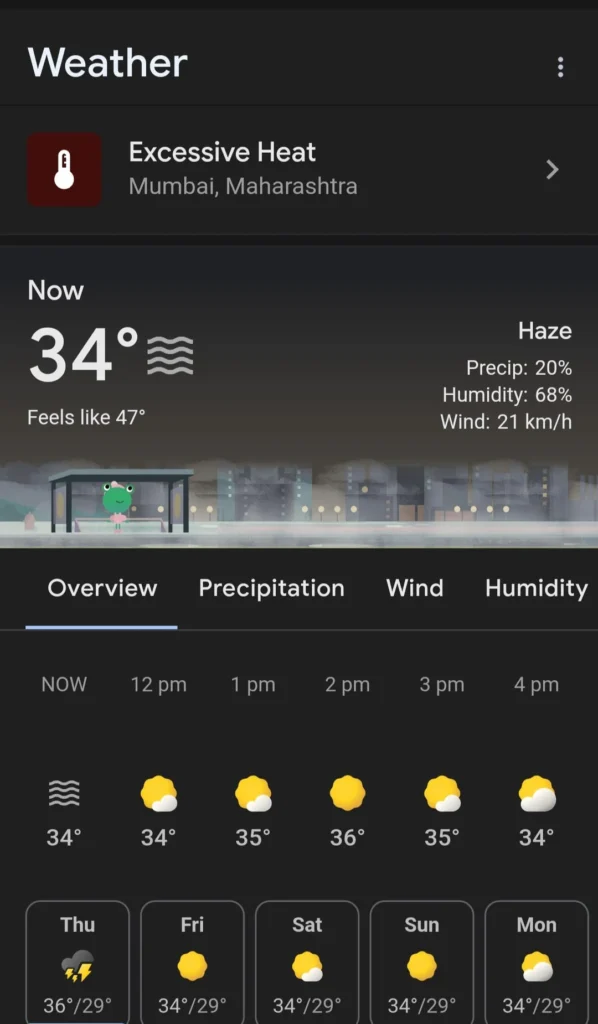

Have you ever looked out the window, seen bright sunshine, skipped your umbrella, and then found yourself caught in a sudden downpour just a few hours later? It happens to almost everyone. Weather can change in minutes, and that’s exactly why checking the weather today has become part of many people’s daily routine.
Whether you’re heading to work, planning a family picnic, traveling across the country, or simply deciding what to wear, an accurate forecast can make your day smoother and stress-free. Modern weather forecasting has come a long way. Thanks to satellites, radar systems, artificial intelligence, and powerful computer models, today’s forecasts are more reliable than ever before.
In this guide, we’ll explore why checking the weather today matters, how forecasts are created, what weather terms actually mean, and how you can use daily weather information to make smarter decisions every single day.
Why Checking the Weather Today Is Important
The weather influences nearly every aspect of daily life. From transportation and farming to outdoor sports and business operations, accurate weather information helps people stay prepared.
Checking the weather today allows you to:
- Dress appropriately for changing temperatures.
- Avoid getting caught in heavy rain or snow.
- Plan outdoor events with confidence.
- Stay safe during severe weather conditions.
- Prepare for heatwaves or cold fronts.
- Protect your home and property.
- Reduce travel delays.
- Improve driving safety.
- Schedule outdoor work efficiently.
- Make better health decisions if you’re sensitive to weather changes.
Even something as simple as knowing the UV index can remind you to wear sunscreen before leaving home.
How Weather Forecasts Are Made
Many people wonder how meteorologists can predict tomorrow’s weather so accurately.
The answer lies in science, technology, and millions of data points collected every day.
Weather Observation
Forecasts begin with weather observations gathered from:
- Weather stations
- Weather satellites
- Doppler radar
- Ocean buoys
- Weather balloons
- Aircraft sensors
- Remote monitoring stations
These systems constantly monitor atmospheric pressure, humidity, wind speed, wind direction, rainfall, cloud cover, visibility, and air temperature.
Computer Weather Models
The collected information is processed using advanced forecasting models.
These models analyze:
- Air pressure changes
- Temperature patterns
- Moisture levels
- Wind circulation
- Storm development
- Climate trends
Meteorologists then compare several forecast models before publishing the final daily forecast.
Human Expertise
Despite modern technology, experienced meteorologists still play a crucial role.
They evaluate computer predictions, compare historical weather patterns, and adjust forecasts when necessary.
That combination of science and expertise makes today’s weather forecasts remarkably dependable.
Understanding Common Weather Forecast Terms
Sometimes weather reports use technical language that sounds confusing.
Here’s what the most common terms actually mean.
| Weather Term | Meaning |
|---|---|
| Temperature | How hot or cold the air is |
| Feels Like Temperature | Temperature adjusted for humidity and wind |
| Humidity | Amount of moisture in the air |
| Dew Point | Temperature where moisture begins forming |
| Air Pressure | Weight of the atmosphere |
| Wind Speed | How fast air is moving |
| Wind Direction | Direction the wind is coming from |
| Chance of Rain | Probability of measurable rainfall |
| UV Index | Strength of ultraviolet sunlight |
| Visibility | Distance you can clearly see |
| Cloud Cover | Percentage of sky covered by clouds |
| Air Quality | Pollution level affecting breathing |
Understanding these terms helps you interpret the weather today more accurately.
Different Types of Weather You May Experience Today
Weather varies greatly depending on your location and season.
Sunny Weather
Sunny conditions usually bring:
- Clear skies
- Higher UV levels
- Warmer daytime temperatures
- Excellent outdoor visibility
Rainy Weather
Rain forecasts often include:
- Light showers
- Moderate rain
- Heavy rainfall
- Thunderstorms
- Drizzle
Always carry an umbrella when rain probability is high.
Snowy Conditions
During winter, forecasts may predict:
- Light snow
- Heavy snowfall
- Freezing rain
- Ice accumulation
- Blizzard conditions
Winter weather requires additional travel precautions.
Windy Weather
Strong winds can affect:
- Driving
- Flying
- Boating
- Outdoor events
- Tree stability
High wind warnings should always be taken seriously.
Thunderstorms
Thunderstorms may include:
- Lightning
- Heavy rain
- Strong winds
- Hail
- Flash flooding
- Tornado risk
When thunderstorms are expected, staying indoors is the safest choice.
How Accurate Is the Weather Today Forecast?
Modern forecasting is surprisingly reliable.
Generally speaking:
- 24-hour forecasts are highly accurate.
- Three-day forecasts remain dependable.
- Seven-day forecasts provide good guidance.
- Longer forecasts become less certain.
Local geography also affects accuracy.
For example:
- Coastal areas change rapidly.
- Mountain regions create microclimates.
- Large cities experience urban heat effects.
- Lakes influence nearby temperatures.
That’s why your neighborhood forecast may differ slightly from another area just a few miles away.
Weather Today and Your Daily Routine
Checking the weather today should become as routine as checking your calendar.
Here are some examples.
Before Going to Work
A quick weather check helps you:
- Choose suitable clothing.
- Pack rain gear.
- Leave earlier during storms.
- Avoid icy roads.
Before School
Parents can prepare children by checking:
- Morning temperatures
- Rain chances
- Snow conditions
- Wind chill
Before Traveling
Always review:
- Highway conditions
- Flight weather
- Storm advisories
- Visibility reports
Before Outdoor Activities
Whether you’re:
- Hiking
- Camping
- Cycling
- Fishing
- Running
- Gardening
The day’s forecast helps you stay comfortable and safe.
Weather Alerts Everyone Should Know
Forecasts often include official alerts.
Here are the most common ones.
Weather Watch
Conditions are favorable for severe weather.
Stay alert.
Weather Warning
Dangerous weather is happening or expected very soon.
Take immediate precautions.
Weather Advisory
Weather may cause inconvenience but isn’t usually life-threatening.
Exercise caution.
Seasonal Changes Affect Daily Weather
Each season creates unique weather patterns.
Spring
Spring often brings:
- Rain showers
- Thunderstorms
- Mild temperatures
- Flower blooming
- Changing winds
Summer
Summer usually includes:
- High humidity
- Heatwaves
- Afternoon storms
- Strong sunshine
- High UV index
Autumn
Fall weather features:
- Cooler mornings
- Crisp evenings
- Colorful leaves
- Fog
- Moderate rainfall
Winter
Winter commonly includes:
- Frost
- Snow
- Ice
- Cold winds
- Freezing temperatures
Understanding seasonal trends makes interpreting the weather today much easier.
Weather Today and Health
Weather doesn’t just affect comfort—it also impacts health.
People with allergies often monitor pollen counts alongside the forecast.
Those with asthma may pay close attention to air quality and humidity.
Extreme heat increases dehydration risk, while freezing temperatures can contribute to hypothermia.
Health-related weather factors include:
- Heat index
- Wind chill
- Air pollution
- Pollen levels
- UV exposure
- Humidity
- Atmospheric pressure
Taking weather into account can improve both comfort and well-being.
Technology Behind Modern Weather Forecasting
Weather forecasting continues to improve every year.
Today’s technology includes:
- Artificial intelligence
- Machine learning
- High-resolution weather models
- Satellite imaging
- Doppler radar
- GPS weather sensors
- Climate databases
- Real-time weather monitoring
These innovations allow meteorologists to predict storms earlier and provide more accurate local forecasts.
Common Weather Myths
Many myths continue to circulate despite scientific evidence.
“If It’s Sunny in the Morning, It Will Stay Sunny”
Not necessarily.
Weather systems can change within hours.
“Animals Always Predict Weather“
Some animals react to pressure changes, but they’re not reliable weather forecasters.
“Thunder Means Lightning Is Far Away”
Lightning may strike several miles from the storm itself.
Always seek shelter when thunder is heard.
Tips for Using Weather Forecasts Wisely
Forecasts are most useful when interpreted correctly.
Keep these tips in mind:
- Check updates several times a day if severe weather is expected.
- Compare hourly forecasts with daily summaries.
- Pay attention to precipitation percentages.
- Watch for sudden weather alerts.
- Don’t ignore wind speed.
- Consider humidity alongside temperature.
- Review radar images during storm season.
- Prepare emergency supplies during extreme weather.
- Plan outdoor events around hourly conditions.
- Stay informed during hurricane or tornado seasons.
The Future of Weather Forecasting
Weather science continues to advance rapidly.
Future forecasting may include:
- Hyper-local neighborhood predictions
- Faster severe weather alerts
- More accurate long-range forecasts
- AI-powered weather analysis
- Better climate monitoring
- Enhanced flood prediction
- Smarter agricultural forecasting
- Personalized weather notifications
These developments will make checking the weather today even more valuable for everyday life.
Final Thoughts
Weather affects every one of us, whether we’re commuting to work, planning a vacation, exercising outdoors, or simply deciding what to wear. Fortunately, modern forecasting has become incredibly sophisticated, providing timely and dependable information that helps us stay one step ahead.
Making it a habit to check the weather today each morning can save time, improve safety, and help you make smarter decisions throughout the day. While no forecast is perfect, today’s advanced technology offers impressive accuracy for most locations and situations.