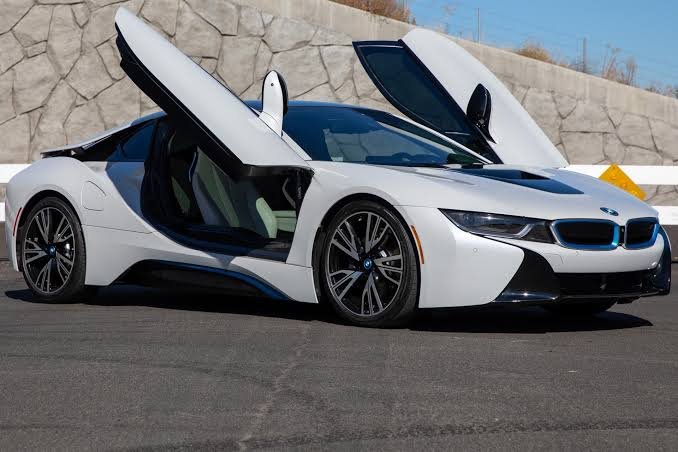

Buying a car is exciting, but buying a used BMW can feel like stepping into unknown territory. One person will tell you BMWs are incredibly reliable when maintained correctly, while another will warn you about expensive repairs and endless trips to the mechanic. The truth lies somewhere in between.
A BMW is engineered to deliver an outstanding driving experience. Even older models often feel sharper, quieter, and more refined than many newer competitors. However, premium engineering also means premium maintenance. That’s why making the right purchase is more important than ever.
This guide walks you through everything you need to know before buying a used BMW. From choosing the right model and checking maintenance records to avoiding hidden mechanical problems, you’ll learn how to make a confident purchase without overspending. Whether you’re buying your first luxury vehicle or upgrading from another brand, these practical tips can save you thousands of dollars.
Why Buy a Used BMW?
A new BMW loses a significant portion of its value during the first few years. That depreciation creates an excellent opportunity for buyers looking for luxury at a lower price.
Some of the biggest advantages include:
- Premium build quality
- Excellent driving dynamics
- Comfortable interiors
- Advanced safety features
- Strong engine performance
- Luxury features for less money
- Better value than buying new
If you choose wisely, a used BMW can provide years of enjoyable driving while costing much less than a brand-new model.
Understand BMW’s Reputation
Before shopping, it’s important to understand both the strengths and weaknesses of BMW ownership.
What BMW Does Well
- Precise steering
- Powerful engines
- Comfortable ride quality
- High-quality interiors
- Strong crash safety ratings
- Advanced technology
Common Concerns
- Higher maintenance costs
- Expensive replacement parts
- Oil leaks on certain engines
- Cooling system failures
- Electronic issues in older models
- Suspension wear
These problems don’t affect every vehicle. Much depends on how previous owners maintained the car.
Decide Which BMW Model Fits Your Needs
BMW offers many different models, and each has its own personality.
BMW 3 Series
The 3 Series remains one of the safest choices for buyers.
Ideal for:
- Daily commuting
- Small families
- First-time luxury car buyers
- Balanced performance
BMW 5 Series
The 5 Series provides more comfort and interior space.
Best for:
- Highway driving
- Business professionals
- Long-distance travel
BMW X Series SUVs
BMW’s SUV lineup is perfect if you need additional cargo room.
Popular options include:
- X1
- X3
- X5
These vehicles combine practicality with luxury.
BMW 1 Series and 2 Series
Compact, sporty, and often more affordable than larger BMW models.
Research Reliability Before Buying
Not every engine is created equal.
Some BMW engines have excellent long-term reliability, while others are known for expensive repairs.
Research:
- Engine generation
- Transmission type
- Recall history
- Owner reviews
- Maintenance trends
- Known mechanical issues
Spending one evening researching can prevent years of repair bills.
Always Check Vehicle History
Never buy a used BMW without reviewing its history.
Important things to verify include:
- Accident history
- Flood damage
- Salvage title
- Number of previous owners
- Mileage consistency
- Service records
A clean history doesn’t guarantee perfection, but it significantly reduces risk.
Service Records Matter More Than Low Mileage
Many buyers focus only on mileage.
That’s a mistake.
A well-maintained BMW with 110,000 miles is often a smarter purchase than one with 60,000 neglected miles.
Look for documented maintenance, including:
- Oil changes
- Brake fluid replacement
- Coolant flush
- Transmission service
- Spark plug replacement
- Air filter replacement
- Battery replacement
Maintenance history tells the real story.
Inspect the Exterior Carefully
Walk around the vehicle slowly.
Check for:
- Uneven paint
- Rust
- Dents
- Scratches
- Panel gaps
- Windshield cracks
- Wheel damage
- Tire wear
Uneven tire wear may indicate suspension or alignment problems.
Examine the Interior
BMW interiors generally age well.
Still, inspect:
- Leather seats
- Dashboard cracks
- Buttons
- Climate control
- Navigation screen
- Sunroof
- Window switches
- Steering wheel wear
Excessive interior wear may suggest hard use despite low mileage.
Engine Inspection Checklist
Open the hood before starting the engine.
Look for:
- Oil leaks
- Coolant leaks
- Loose hoses
- Cracked belts
- Dirty engine bay
- Burning smell
The engine should start smoothly without unusual noises.
Listen for:
- Knocking
- Ticking
- Whining
- Rough idle
These sounds may indicate expensive repairs.
Don’t Ignore the Cooling System
BMW cooling systems deserve special attention.
Components that commonly wear include:
- Water pump
- Thermostat
- Expansion tank
- Radiator
- Coolant hoses
Overheating can destroy an engine.
Always inspect the cooling system before buying.
Transmission Check
During the test drive:
- Shift through every gear.
- Check for hesitation.
- Notice jerking.
- Listen for grinding noises.
- Watch for warning lights.
Automatic transmissions should shift smoothly.
Manual transmissions should engage gears without resistance.
Suspension Inspection
BMWs are known for excellent handling.
However, worn suspension components affect ride quality.
Watch for:
- Clunking sounds
- Excessive bouncing
- Steering vibration
- Pulling to one side
Suspension repairs can become expensive if multiple components need replacement.
Test Every Electronic Feature
Modern BMWs contain numerous electronic systems.
Check every feature:
- Air conditioning
- Heated seats
- Backup camera
- Parking sensors
- Bluetooth
- Infotainment
- Navigation
- Adaptive headlights
- Cruise control
Electronic repairs often require specialist diagnostics.
Warning Lights Should Never Be Ignored
If the dashboard displays warning lights, investigate before purchasing.
Common warnings include:
- Check Engine
- ABS
- Airbag
- Brake system
- Tire pressure
- Battery
- Transmission
Even a minor warning can hide a larger issue.
Take a Proper Test Drive
Never buy after driving around the block.
Spend at least 30 minutes driving.
Include:
- Highway speeds
- Stop-and-go traffic
- Sharp turns
- Parking maneuvers
- Rough roads
Pay attention to:
- Engine response
- Steering feel
- Brake performance
- Cabin noise
- Vibrations
Get a Professional Pre-Purchase Inspection
One of the smartest investments is paying an independent BMW specialist for an inspection.
They can identify:
- Hidden leaks
- Suspension wear
- Engine problems
- Computer fault codes
- Previous repairs
- Future maintenance needs
A small inspection fee may save thousands later.
Compare Prices Carefully
Don’t assume the cheapest used BMW is the best deal.
Compare vehicles based on:
| Factor | Why It Matters |
|---|---|
| Mileage | Lower isn’t always better |
| Service history | Indicates proper maintenance |
| Ownership | Fewer owners may be preferable |
| Condition | Overall appearance matters |
| Accident history | Affects resale value |
| Options | Higher trims may offer better value |
| Maintenance records | Reduce uncertainty |
A slightly more expensive vehicle with complete records often becomes the cheaper choice over time.
Estimate Ownership Costs
Luxury cars require luxury maintenance.
Budget for:
- Insurance
- Fuel
- Tires
- Oil changes
- Brake pads
- Brake rotors
- Suspension repairs
- Battery replacement
Buying the car is only the beginning.
Best Years to Consider
While every generation differs, many buyers recommend choosing facelift models because manufacturers often fix earlier problems.
Research:
- Production years
- Engine updates
- Reliability improvements
- Software updates
Avoid buying based only on appearance.
Certified Pre-Owned vs Private Seller
Certified Pre-Owned
Pros:
- Warranty
- Dealer inspection
- Better financing
- Vehicle history
Cons:
- Higher price
Private Seller
Pros:
- Lower purchase price
- Room for negotiation
Cons:
- No warranty
- Greater risk
Choose whichever matches your budget and risk tolerance.
Common Mistakes Buyers Make
Avoid these expensive mistakes:
- Buying without inspection
- Ignoring maintenance records
- Chasing the lowest price
- Skipping the test drive
- Overlooking warning lights
- Forgetting ownership costs
- Ignoring tire condition
- Assuming luxury equals reliability
- Buying emotionally
- Not negotiating
Questions to Ask the Seller
Before making an offer, ask:
- Why are you selling?
- Has the car been in an accident?
- Are service records available?
- Has the timing chain been replaced if applicable?
- Has the cooling system been serviced?
- Have major repairs been completed?
- Are there any current issues?
- Is the title clean?
Honest answers often reveal how the vehicle has been treated.
Negotiating the Best Price
Negotiation should be based on facts rather than opinions.
Use:
- Maintenance needs
- Tire condition
- Brake wear
- Cosmetic damage
- Market value
- Inspection results
Being respectful usually leads to better deals.
Ownership Tips After Purchase
Once you’ve purchased your used BMW, maintaining it properly becomes your responsibility.
Follow these habits:
- Change oil on schedule.
- Use high-quality engine oil.
- Replace filters regularly.
- Fix small issues early.
- Monitor coolant levels.
- Wash the vehicle frequently.
- Protect the paint.
- Keep maintenance records.
Preventive maintenance almost always costs less than major repairs.
Is a Used BMW Worth Buying?
Absolutely—if you buy the right one.
A carefully maintained used BMW can offer luxury, performance, safety, and driving enjoyment at a fraction of its original price. The key is avoiding impulse purchases and taking the time to inspect every detail.
Instead of chasing the cheapest listing, focus on condition, maintenance history, mechanical health, and overall value. Those factors matter far more than mileage alone.
When you combine careful research with a professional inspection, your chances of finding an excellent BMW increase dramatically.
Conclusion
Buying a used BMW doesn’t have to be risky. With patience, research, and a careful inspection process, you can enjoy premium German engineering without falling into expensive traps. Remember that maintenance history is often more valuable than low mileage, and a thorough test drive can reveal issues that photos never will.