
Why Everyone Is Talking About Toyota hybrid Models
If you’ve been thinking about buying a fuel-efficient car lately, chances are the Toyota hybrid lineup has already crossed your mind more than once. And honestly, there’s a reason for that. Over the past two decades, Toyota has quietly built one of the most reliable hybrid systems in the automotive world, blending petrol engines with electric motors in a way that just works.
What Makes Toyota hybrid Technology Different?
At the core of every Toyota hybrid is a simple idea: combine a petrol engine with an electric motor to improve fuel economy and reduce emissions without sacrificing convenience.
Unlike plug-in hybrids or full electric vehicles, most Toyota hybrid systems are self-charging. That means you don’t need external charging stations. The car charges itself using regenerative braking and engine power.
Key Components of Toyota hybrid System
A typical Toyota hybrid setup includes:
- Hybrid engine (petrol + electric motor)
- Electric motor assist
- Nickel-metal hydride battery or lithium-ion battery pack
- eCVT transmission system
- Regenerative braking system
- Power control unit
- Inverter and converter systems
These parts work together seamlessly, often without the driver even noticing transitions between electric and fuel power.
This is why the Toyota hybrid system is often described as “invisible technology”—it just works quietly in the background.
Why Toyota hybrid Cars Are So Popular
There are many hybrid brands today, but Toyota continues to dominate the market for several reasons.
1. Exceptional Fuel Efficiency
A major reason people choose a Toyota hybrid is fuel economy. Models like the Corolla Hybrid or Prius can deliver impressive mileage, especially in city driving conditions.
Related LSI keywords here include: fuel consumption, miles per gallon, eco driving, urban commute efficiency, and gasoline savings.
2. Proven Reliability
Toyota has built a reputation for long-lasting vehicles. A Toyota hybrid often runs smoothly for hundreds of thousands of kilometers with minimal issues.
Key terms often associated:
vehicle durability, engine longevity, maintenance reliability, low breakdown rate, and long-term performance.
3. Lower Running Costs
Hybrid vehicles reduce fuel expenses and often require less frequent brake replacements due to regenerative braking.
Owners benefit from:
insurance affordability, reduced servicing cost, spare parts availability, and cost-effective maintenance.
4. Smooth Driving Experience
A Toyota hybrid feels different from traditional cars. The acceleration is smooth, gear shifts are barely noticeable, and city driving becomes far less stressful.
Toyota hybrid Models Overview
Toyota offers a wide range of hybrid vehicles designed for different needs.
Toyota Prius
The iconic hybrid pioneer. Known for maximum efficiency and futuristic design.
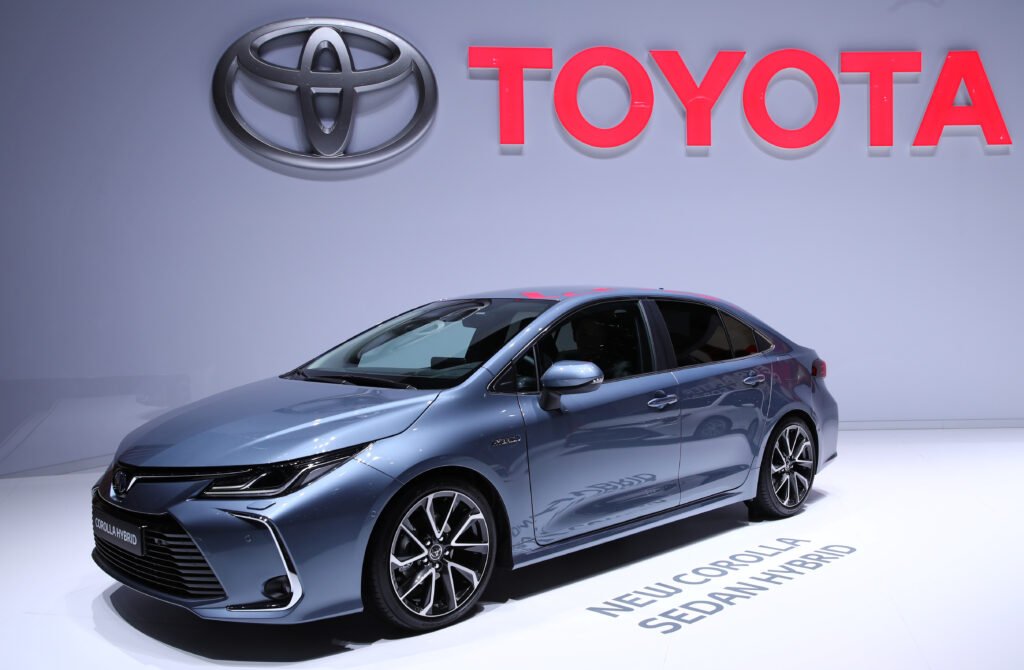
Toyota Corolla Hybrid
A balanced option offering affordability, comfort, and excellent fuel economy.
Toyota Camry Hybrid
A more premium sedan with powerful performance and luxury feel.
Toyota RAV4 Hybrid
A popular SUV choice with space, versatility, and strong fuel efficiency for its size.
Each Toyota hybrid model targets a different type of driver, from budget-conscious commuters to family SUV buyers.
Toyota hybrid Costs Breakdown
Buying a hybrid is not just about sticker price. You need to look at total ownership cost.
Purchase Price
Hybrid cars usually cost slightly more than petrol versions. However, the gap is often recovered through fuel savings over time.
Fuel Savings
One of the biggest advantages of a Toyota hybrid is reduced fuel consumption, especially in stop-and-go traffic.
Maintenance Costs
Hybrid maintenance is generally moderate. Key advantages include:
- Less brake wear due to regenerative braking
- Engine runs less aggressively
- Fewer oil changes in some cases
Insurance Costs
Insurance can vary, but many owners find hybrid coverage comparable to standard petrol cars.
Resale Value
Toyota hybrids tend to hold value well in the used car market due to strong demand and brand reputation.
Features You Get in a Toyota hybrid
Modern Toyota hybrid vehicles come loaded with advanced features designed for safety and comfort.
Safety Technology
Toyota Safety Sense includes:
- Lane departure alert
- Adaptive cruise control
- Pre-collision system
- Automatic high beams
- Road sign assist
Infotainment and Connectivity
Most models include:
- Touchscreen infotainment system
- Apple CarPlay
- Android Auto
- Bluetooth connectivity
- Voice command control
Driving Comfort Features
- Climate control system
- Push start button
- Smart key entry
- Adjustable driving modes (eco, normal, sport)
These features make the Toyota hybrid not just efficient but also enjoyable to drive.
Value for Money: Is Toyota hybrid Worth It?
When evaluating a Toyota hybrid, you need to think long-term.
While the upfront cost may be slightly higher, the savings on fuel, maintenance, and depreciation often balance things out.
Long-Term Benefits
- Lower fuel expenses
- Reduced emissions
- Strong resale market
- Dependable performance
For daily commuters, especially in cities with heavy traffic, a Toyota hybrid often becomes the more economical choice within a few years.
Buying Tips for Toyota hybrid Buyers
Before you buy, here are some practical tips:
New vs Used
A new Toyota hybrid offers warranty coverage and latest technology, while a used one can be more budget-friendly.
Financing Options
Many dealerships offer:
- Low-interest auto loans
- Lease programs
- Down payment flexibility
Check Battery Health (Used Cars)
If buying used, battery condition is crucial. Hybrid batteries are durable but should still be inspected.
Compare Models
Always compare fuel economy, engine size, interior space, and driving comfort before making a decision.
Pros and Cons of Toyota hybrid Cars
Pros
- Excellent fuel economy
- Strong reliability record
- Low maintenance cost
- Smooth driving experience
- High resale value
Cons
- Slightly higher upfront cost
- Less sporty performance in some models
- Battery replacement cost (long-term consideration)
Even with these drawbacks, most buyers find the benefits outweigh the negatives.
Common Driving Scenarios Where Toyota hybrid Excels
A Toyota hybrid performs best in:
- City traffic with frequent stops
- Short daily commutes
- Ride-sharing or taxi services
- Fuel-saving long-term usage
On highways, performance remains stable, but the biggest savings still come from urban driving.
Frequently Asked Questions
Is Toyota hybrid good for long-distance driving?
Yes, it performs well on highways and offers consistent fuel efficiency.
How long does a hybrid battery last?
Typically 8–12 years depending on usage and maintenance.
Does Toyota hybrid need charging?
No, most models are self-charging through driving.
Conclusion: Should You Buy a Toyota hybrid?
At the end of the day, a Toyota hybrid is not just a car—it’s a long-term driving solution built for efficiency, reliability, and everyday comfort. If you want a vehicle that saves fuel, reduces stress in traffic, and holds its value over time, then a Toyota hybrid is one of the safest choices you can make.
It may not be the most exciting car on the road, but it is one of the smartest. And in today’s world, that matters more than ever.