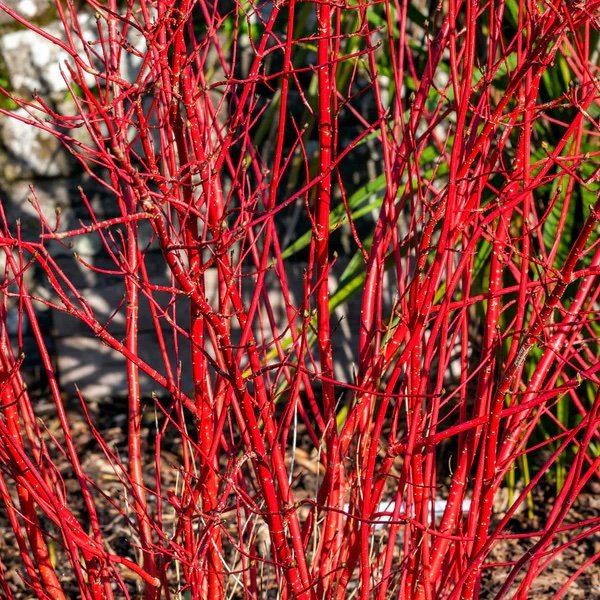

Some plants shine during spring with colorful flowers. Others steal the spotlight in summer with lush green foliage. However, the red twig dogwood offers something many garden plants cannot—spectacular beauty during the coldest months of the year.
When winter strips most landscapes of color, this hardy shrub comes alive with brilliant crimson stems that brighten snowy gardens, pathways, and backyard borders. Even beginners can grow it successfully because it’s forgiving, adaptable, and surprisingly easy to maintain.
Whether you’re creating a wildlife-friendly garden, improving curb appeal, or simply looking for a low-maintenance shrub that delivers year-round interest, the red twig dogwood deserves a place in your landscape.
In this complete guide, you’ll learn how to plant, grow, water, fertilize, prune, and care for this stunning ornamental shrub so it thrives season after season.
What Is Red Twig Dogwood?
The red twig dogwood is a deciduous flowering shrub best known for its vibrant red stems that become especially striking during fall and winter. While many shrubs fade after autumn, this one becomes even more attractive as temperatures drop.
Native to North America, it naturally grows near wetlands, streams, and woodland edges. Its adaptability makes it a favorite among homeowners and professional landscapers alike.
Key Characteristics
| Feature | Details |
|---|---|
| Botanical Name | Cornus sericea |
| Common Names | Red Twig Dogwood, Red Osier Dogwood |
| Plant Type | Deciduous Shrub |
| Mature Height | 6–10 feet |
| Mature Width | 6–10 feet |
| Sun Requirement | Full Sun to Partial Shade |
| Soil Type | Moist, well-drained soil |
| USDA Zones | 2–8 |
| Bloom Time | Late Spring |
| Winter Interest | Bright red stems |
One of the biggest reasons gardeners love the red twig dogwood is its ability to provide color even after flowers and leaves have disappeared.
Why Gardeners Love Red Twig Dogwood
The popularity of this shrub isn’t based on just one feature. It offers beauty throughout every season.
Spring
Fresh green leaves emerge alongside clusters of delicate creamy-white flowers.
Summer
Dense foliage creates a lush backdrop while small white berries begin to develop.
Fall
Leaves transform into attractive shades of orange, burgundy, and purple.
Winter
The brilliant scarlet branches become the star of the landscape.
Very few shrubs provide four-season appeal quite like the red twig dogwood.
Choosing the Best Location
Location plays a major role in keeping your shrub healthy.
Sunlight Requirements
For the brightest winter stem color, plant your red twig dogwood where it receives at least six hours of sunlight every day.
Although it tolerates partial shade, too much shade often results in duller stems and slower growth.
Ideal conditions include:
- Full sun
- Morning sunlight
- Light afternoon shade in hotter climates
- Open landscapes with good air circulation
Soil Requirements
One of the reasons beginners enjoy growing red twig dogwood is its adaptability.
It tolerates many soil types, including:
- Clay soil
- Loamy soil
- Sandy soil
- Moist garden beds
- Rain gardens
Although it prefers fertile, slightly acidic soil, it isn’t particularly picky.
The ideal soil should be:
- Rich in organic matter
- Moist but not constantly soggy
- Well-drained
- Slightly acidic to neutral
Adding compost before planting improves soil quality dramatically.
How to Plant Red Twig Dogwood
Proper planting gives your shrub the best possible start.
Step 1: Dig the Hole
Dig a hole approximately twice as wide as the root ball but no deeper.
Step 2: Position the Plant
Place the shrub so the top of the root ball sits level with the surrounding soil.
Step 3: Backfill
Fill the hole with native soil mixed with compost.
Avoid packing the soil too tightly.
Step 4: Water Thoroughly
Deep watering removes air pockets and encourages root establishment.
Step 5: Apply Mulch
Spread two to three inches of organic mulch around the base.
Keep mulch several inches away from the trunk to prevent rot.
Watering Requirements
Water is especially important during the first growing season.
Newly Planted Shrubs
Water deeply once or twice each week depending on rainfall.
The soil should remain evenly moist.
Established Shrubs
Once mature, red twig dogwood becomes much more drought tolerant.
Still, it performs best with consistent moisture.
Signs your shrub needs watering include:
- Wilting leaves
- Dry soil
- Premature leaf drop
- Slower growth
Avoid overwatering, as constantly saturated soil may encourage root diseases.
Fertilizing Red Twig Dogwood
Fortunately, this shrub isn’t a heavy feeder.
Apply a balanced slow-release fertilizer during early spring before new growth begins.
You can also improve soil naturally by adding:
- Compost
- Leaf mold
- Well-aged manure
- Organic mulch
Too much nitrogen may produce excessive leafy growth while reducing the vibrant red stem color.
Moderation is always best.
Mulching Benefits
Mulching is one of the easiest ways to keep your red twig dogwood healthy.
Benefits include:
- Conserves moisture
- Prevents weeds
- Protects roots from extreme temperatures
- Improves soil quality
- Reduces watering frequency
Good mulch options include:
- Pine bark
- Shredded hardwood
- Wood chips
- Compost
- Pine needles
Refresh mulch every spring.
Understanding Growth Rate
Many new gardeners wonder how quickly this shrub grows.
The answer is pleasantly fast.
Under ideal conditions, red twig dogwood grows approximately 18–24 inches each year.
Growth depends on:
- Sunlight
- Water availability
- Soil fertility
- Proper pruning
- Climate
Young shrubs establish quickly and become impressive landscape features within just a few seasons.
Common Varieties
Several beautiful cultivars are available.
Cardinal
Known for extremely vivid scarlet stems.
Arctic Fire
A compact variety perfect for smaller landscapes.
Bailey
Produces dense branching with excellent winter color.
Isanti
Smaller growth habit with brilliant crimson branches.
Silver and Gold
Features attractive variegated foliage alongside colorful stems.
Each variety shares the classic beauty that makes red twig dogwood one of the most recognizable ornamental shrubs in home gardens.
Landscaping Ideas
The versatility of red twig dogwood makes it suitable for many landscape designs.
Popular uses include:
- Privacy hedges
- Foundation plantings
- Property borders
- Woodland gardens
- Rain gardens
- Pond edges
- Wildlife habitats
- Winter focal points
- Mixed shrub borders
- Naturalized landscapes
For extra visual impact, pair it with evergreen shrubs, ornamental grasses, winterberry holly, arborvitae, spruce, pine trees, or white birch. The contrast between green foliage, white bark, and bright red stems creates an unforgettable winter display.