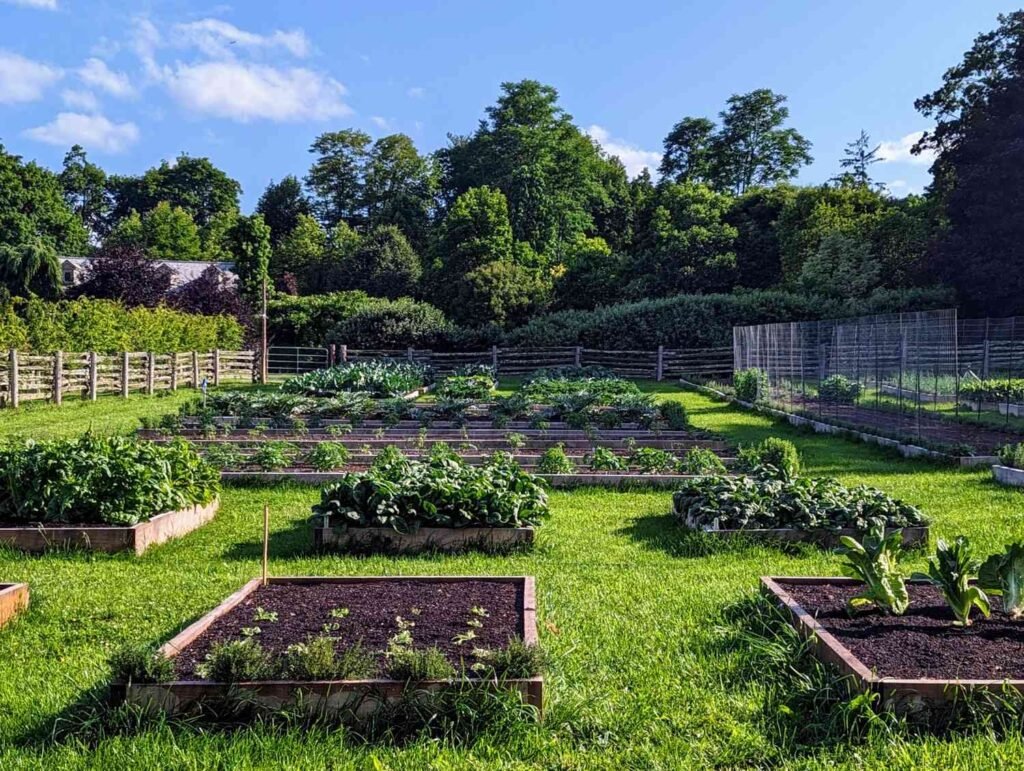

Starting a garden might seem overwhelming at first. You picture rows of healthy vegetables, colorful flowers, and thriving plants, but then a dozen questions pop into your mind. Where should you begin? What should you plant? How much sunlight do you need? And what if everything dies?
The good news is that gardening is far simpler than most beginners think.
Every experienced gardener started exactly where you are now—standing in an empty space, wondering what to do next. The secret isn’t having a green thumb. It’s understanding a few basic principles and taking small, consistent steps.
If you’ve been searching for how to start a garden, this guide will walk you through the entire process. Whether you want fresh vegetables, beautiful flowers, aromatic herbs, or a combination of all three, these beginner-friendly steps will help you create a thriving garden from the ground up.
Why Gardening Is Worth Starting
Before diving into the practical steps, it’s worth understanding why so many people fall in love with gardening.
Gardening offers benefits that go far beyond growing plants. It helps reduce stress, encourages outdoor activity, improves mental well-being, and provides fresh produce right from your backyard. In addition, it creates a deeper connection with nature and can even save money on groceries.
Many beginners discover that gardening becomes more than a hobby—it becomes a rewarding lifestyle.
Step 1: Choose the Right Location
The first step in learning how to start a garden is selecting the best location.
Plants need sunlight to grow, and most vegetables require at least six to eight hours of direct sunlight daily.
When evaluating potential garden spots, consider:
- Sun exposure throughout the day
- Drainage after rainfall
- Accessibility for watering and maintenance
- Protection from strong winds
- Proximity to your home
Walk around your yard during different times of the day and observe where sunlight falls. A sunny location will significantly improve your chances of gardening success.
Signs of a Good Garden Location
- Receives consistent sunlight
- Has healthy soil
- Drains water effectively
- Easy access to water
- Safe from heavy foot traffic
Choosing the right location is one of the most important decisions when learning how to start a garden successfully.
Step 2: Decide What You Want to Grow
Not all gardens are the same.
Some people dream of harvesting tomatoes and peppers, while others want vibrant flower beds filled with blooms.
Consider your goals before buying seeds or plants.
Vegetable Garden Ideas
Popular beginner vegetables include:
- Tomatoes
- Lettuce
- Cucumbers
- Carrots
- Green beans
- Radishes
- Spinach
- Zucchini
Herb Garden Ideas
Easy herbs for beginners:
- Basil
- Mint
- Parsley
- Chives
- Rosemary
- Thyme
- Oregano
Flower Garden Ideas
Beautiful beginner-friendly flowers:
- Marigolds
- Sunflowers
- Zinnias
- Petunias
- Cosmos
- Nasturtiums
When researching how to start a garden, focus on plants you actually enjoy eating or seeing. This keeps you motivated throughout the growing season.
Step 3: Understand Your Soil
Healthy soil is the foundation of every successful garden.
Think of soil as your plants’ pantry. If it’s full of nutrients, plants thrive. If it’s poor quality, growth becomes difficult.
How to Check Your Soil
Grab a handful of soil and inspect it.
Good garden soil should:
- Feel crumbly
- Hold some moisture
- Drain excess water
- Contain organic matter
Avoid soil that is:
- Extremely sandy
- Hard and compacted
- Constantly soggy
Improve Soil Naturally
You can improve garden soil by adding:
- Compost
- Aged manure
- Leaf mold
- Organic matter
- Mulch
These materials boost soil fertility, improve drainage, and support beneficial microorganisms.
Anyone learning how to start a garden should prioritize soil preparation before planting anything.
Step 4: Start Small
One of the biggest beginner mistakes is creating a massive garden right away.
It sounds exciting initially, but maintaining a large garden requires time, energy, and experience.
Start with a manageable space.
Recommended Beginner Garden Sizes
| Garden Type | Suggested Size |
|---|---|
| Vegetable Garden | 4×4 feet |
| Raised Bed | 4×8 feet |
| Herb Garden | Small container setup |
| Flower Garden | One simple flower bed |
A smaller garden allows you to learn essential gardening skills without becoming overwhelmed.
As your confidence grows, you can always expand.
Step 5: Choose Between Seeds and Seedlings
This decision often confuses new gardeners.
Both options work well, but each has advantages.
Growing from Seeds
Benefits include:
- Lower cost
- More variety
- Greater satisfaction
Challenges include:
- Longer growing time
- More attention required
- Lower success rates for beginners
Using Seedlings
Benefits include:
- Faster results
- Easier for beginners
- Higher survival rates
Challenges include:
- More expensive
- Fewer plant varieties
For those researching how to start a garden, seedlings often provide the easiest introduction to gardening.
Step 6: Plan Your Garden Layout
A little planning prevents future problems.
Different plants have different space requirements. Crowding plants can lead to poor air circulation, disease issues, and lower yields.
Basic Layout Tips
- Place taller plants in the back
- Leave room for plant growth
- Group plants with similar water needs
- Create walking paths
- Maximize sunlight exposure
Example Vegetable Garden Layout
| Plant | Spacing |
| Tomatoes | 24-36 inches |
| Lettuce | 6-12 inches |
| Carrots | 2-4 inches |
| Peppers | 18-24 inches |
| Cucumbers | 12-18 inches |
Proper spacing is an often-overlooked part of learning how to start a garden.
Step 7: Water Correctly
Watering seems simple, but many beginners either overwater or underwater their plants.
Both mistakes can harm plant health.
Best Watering Practices
- Water early in the morning
- Water deeply rather than frequently
- Focus on roots instead of leaves
- Monitor soil moisture
- Adjust based on weather conditions
Signs of Overwatering
- Yellow leaves
- Root rot
- Fungus growth
- Wilting despite wet soil
Signs of Underwatering
- Dry soil
- Brown leaf edges
- Drooping plants
- Slow growth
A consistent watering routine is essential when learning how to start a garden successfully.
Step 8: Add Mulch
Mulch is one of gardening’s best-kept secrets.
It provides numerous benefits while requiring very little effort.
Benefits of Mulching
- Retains moisture
- Reduces weeds
- Improves soil quality
- Regulates soil temperature
- Prevents erosion
Common mulch options include:
- Straw
- Wood chips
- Shredded leaves
- Grass clippings
- Pine needles
Apply two to three inches of mulch around plants for optimal results.
Step 9: Control Weeds and Pests Naturally
Every garden eventually encounters weeds and pests.
The key is managing them before they become major problems.
Natural Weed Control
- Mulching
- Hand pulling
- Proper spacing
- Dense planting
- Regular maintenance
Common Garden Pests
- Aphids
- Slugs
- Caterpillars
- Beetles
- Whiteflies
Natural Pest Solutions
- Neem oil
- Companion planting
- Beneficial insects
- Row covers
- Hand removal
Healthy plants naturally resist many pest problems.
When exploring how to start a garden, remember that prevention is often easier than treatment.
Helpful Companion Plants
Certain plants support each other when grown together.
Examples include:
- Basil with tomatoes
- Marigolds with vegetables
- Nasturtiums near cucumbers
- Chives around carrots
Companion planting can improve pollination and reduce pest pressure naturally.
Step 10: Maintain and Learn as You Grow
Gardening is an ongoing learning experience.
No garden is perfect. Even experienced gardeners lose plants occasionally.
The goal is progress, not perfection.
Weekly Garden Maintenance Checklist
Inspect Plants
Look for:
- Pest damage
- Disease symptoms
- Yellow leaves
- Growth changes
Water as Needed
Check soil moisture regularly.
Remove Weeds
Small weeds are easier to eliminate than mature ones.
Harvest Frequently
Regular harvesting encourages additional growth in many crops.
Add Compost
Feed plants throughout the growing season with nutrient-rich compost.
Learning how to start a garden doesn’t end after planting. Consistent care helps your garden thrive.
Common Beginner Gardening Mistakes to Avoid
Many new gardeners make the same mistakes.
Fortunately, they’re easy to avoid.
Planting Too Much
Start small and expand gradually.
Ignoring Sunlight Requirements
Always match plants to available sunlight.
Overwatering
More water does not always mean healthier plants.
Poor Soil Preparation
Healthy soil equals healthy plants.
Choosing Difficult Crops
Focus on beginner-friendly plants first.
Neglecting Regular Maintenance
Small tasks performed consistently prevent bigger issues later.
Avoiding these mistakes will dramatically improve your gardening success.
Essential Gardening Tools for Beginners
You don’t need an expensive collection of tools to start gardening.
A few basics are enough.
Beginner Gardening Tool List
- Garden gloves
- Hand trowel
- Watering can
- Garden hose
- Pruning shears
- Garden fork
- Rake
- Spade
As your gardening skills develop, you can invest in additional equipment.
Seasonal Gardening Tips
Understanding seasonal changes helps maximize plant growth.
Spring
- Prepare soil
- Plant cool-season crops
- Start seeds indoors
Summer
- Water consistently
- Harvest vegetables
- Monitor pests
Fall
- Plant autumn crops
- Add compost
- Clean garden beds
Winter
- Plan next season
- Organize tools
- Research new plants
Seasonal awareness is another valuable skill when mastering how to start a garden.
Raised Beds vs. In-Ground Gardens
Many beginners wonder which option is best.
Raised Bed Advantages
- Better drainage
- Easier soil control
- Fewer weeds
- Improved accessibility
In-Ground Garden Advantages
- Lower cost
- More planting space
- Less setup required
Both methods work well. Your choice depends on available space, budget, and personal preference.
How Long Does It Take to See Results?
Patience is important in gardening.
Fast-growing crops include:
- Radishes (3-4 weeks)
- Lettuce (4-6 weeks)
- Spinach (4-6 weeks)
Moderate growers include:
- Cucumbers (8-10 weeks)
- Beans (8-10 weeks)
Longer growers include:
- Tomatoes (10-12 weeks)
- Peppers (10-14 weeks)
Every small sign of growth becomes rewarding when you’ve invested effort into your garden.
Final Thoughts
Learning how to start a garden may feel intimidating at first, but it becomes much easier when broken into simple, manageable steps. Choose the right location, improve your soil, start small, select beginner-friendly plants, and maintain a consistent care routine.
Remember that every successful gardener started as a beginner. Mistakes are part of the process, and each growing season teaches valuable lessons. The most important step is simply getting started.
Whether you’re growing fresh vegetables, fragrant herbs, colorful flowers, or a combination of all three, gardening offers rewards that extend far beyond the harvest. It brings relaxation, satisfaction, and a deeper connection to the natural world.