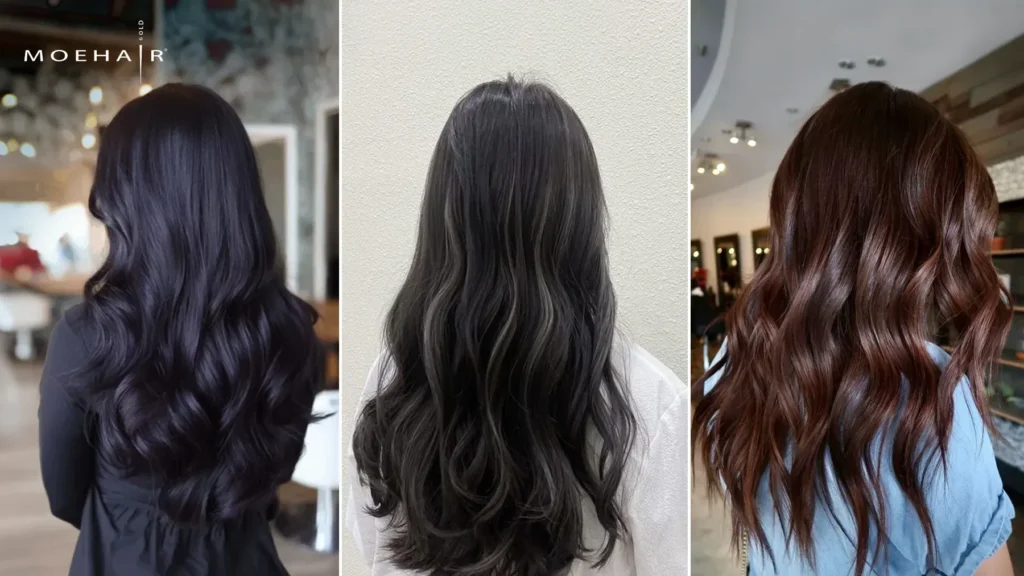

Black hair never goes out of style. It has a timeless appeal that works for every age, every season, and almost every skin tone. Whether you want to cover gray strands, refresh faded color, or completely transform your look, choosing the right black hair dye can make all the difference.
The challenge is that not every product delivers the same results. Some formulas fade quickly, while others may leave your hair feeling dry or damaged. On top of that, there are several shades of black to choose from, including natural black, soft black, blue-black, and jet black. Without knowing the differences, it’s easy to pick the wrong one.
The good news is that finding the perfect hair color doesn’t have to be complicated. Once you understand your hair type, your skin tone, and the ingredients that matter, selecting the right dye becomes much easier.
This guide walks you through everything you need to know before buying a black hair dye. From choosing the right shade to protecting your hair after coloring, you’ll discover practical tips that help you achieve rich, healthy-looking results that last.
Why Choosing the Right Black Hair Dye Matters
Many people assume black is simply black. In reality, professional hairstylists know there are many variations, and each creates a completely different appearance.
The right black hair dye should:
- Complement your skin tone
- Match your personal style
- Provide even color coverage
- Minimize hair damage
- Resist fading
- Leave your hair looking shiny and healthy
A poor-quality dye may leave your hair looking dull, uneven, or overly harsh. Investing time in choosing the right formula can save you from expensive color corrections later.
Understanding Different Shades of Black Hair Dye
Before purchasing any color, it’s important to know the different black shades available.
Natural Black
Natural black offers a softer appearance with subtle warmth. It closely resembles naturally dark hair and works well for everyday wear.
Best for:
- First-time users
- Mature adults
- Professional settings
- Natural-looking results
Soft Black
Soft black sits between dark brown and true black. It provides richness without appearing too dramatic.
Ideal for:
- Fair skin
- Warm undertones
- Beginners
- People transitioning from brown hair
Jet Black
Jet black creates a bold, intense finish with maximum depth.
Best suited for:
- Cool skin tones
- Fashion-forward styles
- Thick hair
- Dramatic makeovers
Blue Black
Blue-black contains cool blue pigments that reflect beautifully under sunlight.
Perfect for:
- Cool complexions
- Glossy hairstyles
- Modern fashion looks
- Straight or sleek hair
Know Your Hair Type Before Buying
Your hair texture plays a major role in how well a black hair dye performs.
Fine Hair
Fine strands absorb pigment quickly. A gentle formula prevents over-processing while delivering even coverage.
Thick Hair
Thicker hair often requires more product and longer processing time. Cream-based dyes usually work better because they spread evenly.
Curly Hair
Curly hair tends to be naturally drier. Look for formulas enriched with moisturizing ingredients such as argan oil, coconut oil, or shea butter.
Coarse Hair
Coarse hair can be more resistant to color absorption. Permanent dyes often provide the most reliable results.
Permanent vs Semi-Permanent Black Hair Dye
Choosing between permanent and semi-permanent color depends on your goals.
| Type | Best For | Lasts | Gray Coverage |
|---|---|---|---|
| Permanent | Long-lasting color | 6–8 weeks or longer | Excellent |
| Semi-Permanent | Temporary color refresh | 10–20 washes | Light coverage |
| Demi-Permanent | Natural shine | Around 24 washes | Moderate coverage |
| Temporary | Special occasions | 1–2 washes | Minimal |
If you’re covering stubborn gray hair, permanent black hair dye is usually the best choice.
If you’re simply experimenting with darker hair, a semi-permanent formula offers more flexibility.
Consider Your Skin Tone
Your complexion influences which shade of black looks most flattering.
Cool Skin Tone
If your skin has pink or blue undertones, consider:
- Blue-black
- Jet black
- Cool black
These shades create striking contrast without appearing washed out.
Warm Skin Tone
Golden or olive undertones pair beautifully with:
- Natural black
- Soft black
- Warm black
These shades create a balanced, healthy appearance.
Neutral Skin Tone
You’re lucky—you can wear nearly every black shade successfully.
Ingredients That Make a Difference
Not all hair dyes are created equally.
Look for nourishing ingredients like:
- Argan oil
- Coconut oil
- Avocado oil
- Aloe vera
- Keratin
- Vitamin E
- Silk proteins
- Shea butter
- Jojoba oil
These ingredients help reduce breakage while keeping hair smooth and glossy.
Ingredients You May Want to Avoid
If your scalp is sensitive, read ingredient labels carefully.
Some people prefer formulas without:
- Ammonia
- Excessive alcohol
- Harsh sulfates
- High levels of peroxide
- Strong artificial fragrance
Many modern dyes now offer ammonia-free options that provide excellent color while being gentler on the hair.
How to Choose Black Hair Dye for Gray Coverage
Gray hair can be stubborn because its texture often changes over time.
For complete coverage, choose products that specifically mention:
- 100% gray coverage
- Long-lasting color
- Permanent cream formula
- Rich pigment technology
- Fade-resistant color
Following the recommended processing time is equally important. Removing the dye too early may leave gray strands partially colored.
Hair Health Comes First
Healthy hair always holds color better.
Before applying black hair dye, make sure your hair is:
- Properly moisturized
- Free from excessive product buildup
- Recently trimmed if needed
- Not overly damaged from previous bleaching
If your hair is extremely dry, spend a few weeks conditioning it before coloring.
The healthier your hair is, the richer and shinier your final color will look.
Performing a Patch Test
Skipping the patch test is never worth the risk.
Apply a small amount of dye behind your ear or inside your elbow 48 hours before coloring.
This simple step helps identify possible allergic reactions before applying color to your entire head.
Although many people skip this step, professionals strongly recommend it every time you use a new product.
Tips for Applying Black Hair Dye Like a Professional
Even the best color can produce uneven results if applied incorrectly.
For the best outcome:
- Wear protective gloves.
- Divide your hair into four to six sections.
- Apply dye evenly from roots to ends.
- Use enough product for full saturation.
- Follow the recommended processing time.
- Rinse thoroughly until the water runs clear.
- Finish with the included conditioner to seal the cuticle.
Taking your time often leads to salon-quality results at home.