
Why Beige Still Rules Modern Interiors
There’s something quietly powerful about a well-designed space that doesn’t scream for attention but still feels effortlessly elegant. That’s exactly the charm of beige color. It doesn’t demand the spotlight, yet it transforms a room in a way few shades can.
Walk into any thoughtfully designed home, and you’ll likely notice how beige color appears in walls, fabrics, furniture, or accents. It’s subtle, yes, but never boring when used correctly. In fact, designers often rely on beige color as the foundation of timeless interiors because it works like a blank canvas that still carries warmth and personality.
The beauty of beige color lies in its flexibility. It blends with modern minimalism, rustic charm, Scandinavian simplicity, and even luxurious classic interiors. Once you understand how to use it properly, it becomes one of the most powerful tools in your design toolkit.
Understanding Beige Color in Interior Design
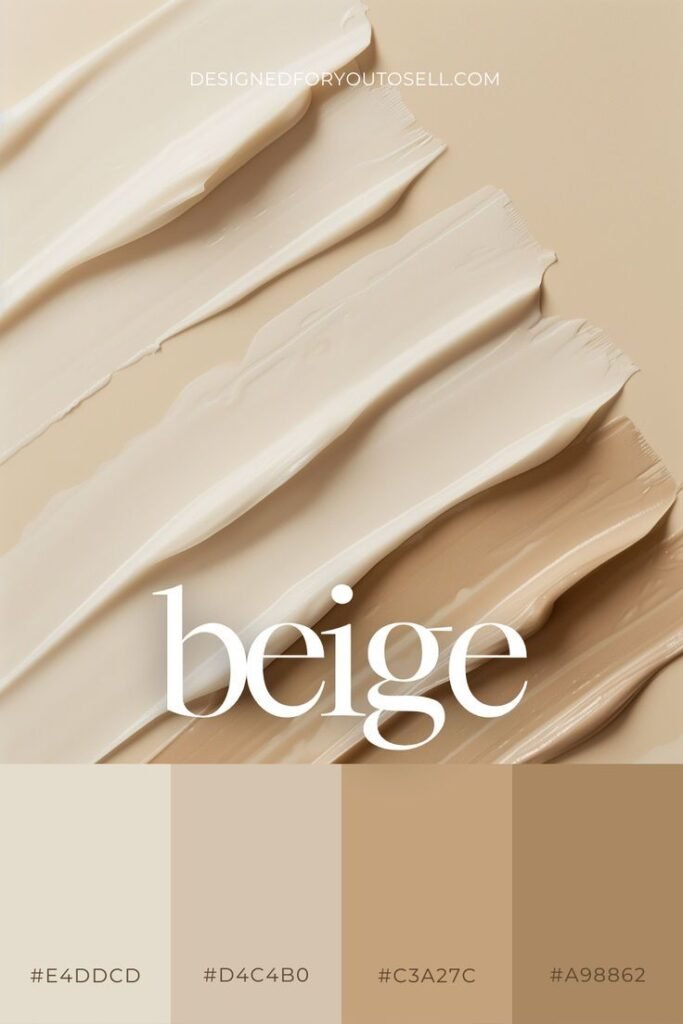
Before diving into styling, it’s important to understand what makes beige color so special. Beige is a warm neutral that sits between cream, tan, and light brown. It often carries undertones of yellow, pink, or gray, which influence how it behaves in a room.
Designers often categorize it within a broader neutral palette that includes shades like ivory, taupe, ecru, sand, oatmeal, mushroom, and greige. These tones create harmony without overwhelming the eye.
Why beige color feels so calming
- It reflects natural light softly
- It reduces visual clutter
- It creates emotional balance
- It works with almost every accent shade
This is why beige color is often associated with calm interiors, cozy spaces, and timeless elegance.
The Psychology Behind Beige Color
Color psychology plays a huge role in interior design. The beige color is often linked to stability, comfort, and relaxation. It doesn’t trigger strong emotions like red or blue; instead, it creates a grounded environment.
In homes, this translates to:
- A soothing atmosphere in bedrooms
- A welcoming vibe in living rooms
- A clean, balanced look in kitchens
When used correctly, beige color can make even small rooms feel more spacious and breathable. That’s why it’s a favorite in minimalist interior design, Japandi aesthetics, and modern contemporary homes.
Why Designers Love Beige Color
Professional designers rarely overlook beige color because of its unmatched versatility. It acts as a bridge between bold accents and soft backgrounds.
Here’s why it remains a go-to choice:
- It pairs beautifully with wood textures like oak, walnut, and teak
- It enhances natural materials such as linen, cotton, rattan, and stone
- It supports both warm and cool color schemes
- It adapts to seasonal decor changes easily
In short, beige color gives designers freedom without visual chaos.
How to Use Beige Color in Different Rooms
Living Room Styling with Beige Color
The living room is where beige color truly shines. It sets the tone for relaxation and conversation.
To use it like a pro:
- Choose beige walls for a soft backdrop
- Add a sofa in linen beige or taupe
- Layer textures like wool rugs, boucle cushions, and wooden coffee tables
- Mix in accent tones like terracotta, olive green, or muted navy
A well-balanced living room using beige color feels both cozy and elevated.
Bedroom Design Using Beige Color
Bedrooms are personal spaces, and beige color helps create a restful mood.
Try this approach:
- Use warm beige bedding with layered textures
- Add ivory curtains for soft daylight filtering
- Include rattan lamps or wooden bedside tables
- Keep décor minimal for a clean aesthetic
This combination makes beige color ideal for promoting sleep and relaxation.
Kitchen Interiors and Beige Color
Modern kitchens are moving away from stark whites toward warmer neutrals. That’s where beige color steps in.
Popular uses include:
- Beige cabinetry paired with brass handles
- Stone countertops in sand or cream tones
- Subway tiles in soft beige finishes
- Wooden flooring for warmth
When combined properly, beige color creates a welcoming culinary space that feels both stylish and practical.
Bathroom Elegance with Beige Color
Bathrooms designed with beige color feel spa-like and luxurious.
Design ideas:
- Beige marble tiles or porcelain finishes
- Soft lighting to enhance warmth
- Wooden or bamboo accessories
- Neutral towels in ivory or taupe
The result is a calm, resort-inspired atmosphere right at home.
Color Pairing Ideas with Beige Color
One of the biggest strengths of beige color is how easily it pairs with other shades.
Best color combinations:
- Beige + white for clean minimalism
- Beige + black for modern contrast
- Beige + green for earthy harmony
- Beige + gold for luxury aesthetics
- Beige + blue for coastal calm
- Beige + terracotta for warm rustic vibes
These combinations help elevate beige color from simple to sophisticated.
Textures That Enhance Beige Color
Using only color is not enough; texture brings life to beige color interiors.
Try incorporating:
- Linen curtains
- Wool carpets
- Velvet cushions
- Rattan furniture
- Matte ceramic décor
- Natural stone surfaces
When layered properly, beige color becomes visually rich rather than flat.
Lighting and Beige Color: A Perfect Match
Lighting completely changes how beige color appears in a space.
- Warm lighting enhances cozy undertones
- Natural daylight reveals soft elegance
- LED cool lighting can make it appear more modern
Understanding this balance is key to mastering beige color in interior design.
Common Mistakes When Using Beige Color
Even though beige color is versatile, mistakes can ruin its effect.
Avoid these:
- Using only one shade of beige everywhere
- Ignoring texture variation
- Overcrowding with dull neutrals
- Poor lighting choices
- Forgetting accent colors
A successful beige color interior always has contrast and depth.
Pro Tips for Using Beige Color Like an Expert
Here are some designer-level insights:
- Mix warm and cool neutrals for dimension
- Use greige (gray + beige) for modern appeal
- Add greenery for freshness
- Balance matte and glossy finishes
- Keep furniture silhouettes simple
These small details elevate beige color from basic to high-end design.
Trending Uses of Beige Color in Modern Homes
Interior trends continue to favor beige color in fresh ways:
- Japandi interiors with soft minimalism
- Scandinavian homes using warm neutrals
- Luxury apartments with beige marble accents
- Bohemian spaces mixing earthy tones and textures
- Modern rustic homes with natural wood and stone
The rise of sustainable and calming interiors has made beige color more relevant than ever.
Conclusion: Mastering Beige Color Like a Pro
At its core, beige color is not just a design choice—it’s a lifestyle statement. It reflects calmness, balance, and timeless beauty. When used thoughtfully, beige color can completely transform a home into a warm, inviting, and stylish sanctuary.
Whether you’re redesigning your living room, refreshing your bedroom, or planning a full home makeover, beige color gives you the flexibility to experiment without fear of going out of style.