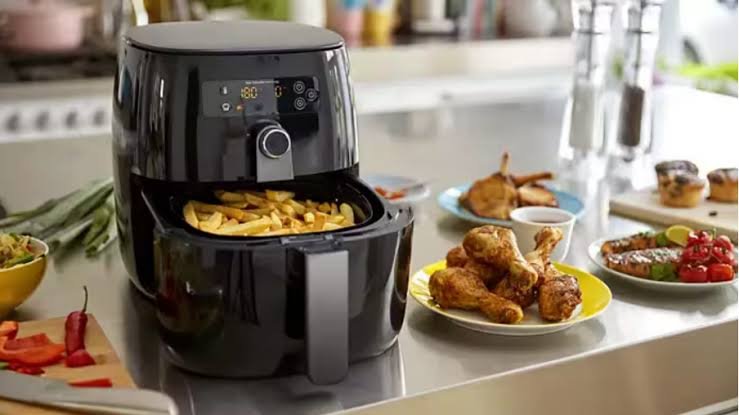

Have you ever pulled perfectly crispy fries or juicy chicken out of an air fryer and wondered how some people seem to get flawless results every single time? The secret isn’t owning an expensive model. It’s knowing how to use it correctly.
An air fryer has become one of the most popular kitchen appliances for good reason. It cooks food quickly, uses less oil than traditional frying, and delivers satisfying texture without the mess of deep frying. Yet many people barely scratch the surface of what it can do. They use it for frozen fries and chicken nuggets, then assume that’s all it’s good for.
The truth is, an air fryer can roast vegetables, bake desserts, reheat leftovers, cook juicy meats, crisp seafood, and even prepare breakfast. Once you understand a few simple techniques, you’ll wonder how you ever cooked without it.
This complete guide will show you how to use an air fryer like a professional, avoid common mistakes, and achieve restaurant-quality results at home.
What Is an Air Fryer and How Does It Work?
An air fryer is a countertop appliance that cooks food by circulating hot air at high speed. This rapid air circulation creates a crispy exterior while keeping the inside tender and moist.
Unlike deep frying, an air fryer requires little to no oil. Instead of submerging food in hot oil, it uses convection cooking to create a similar texture with significantly less fat.
The basic components include:
- Heating element
- Powerful fan
- Cooking basket or tray
- Temperature controls
- Timer
Because hot air moves around the food from every angle, meals cook evenly and much faster than in many conventional ovens.
Why People Love Cooking with an Air Fryer
There are plenty of reasons why home cooks have embraced the air fryer.
- Faster cooking times
- Crispy texture with less oil
- Easy cleanup
- Energy efficient
- Great for small kitchens
- Perfect for meal prep
- Excellent for reheating leftovers
- Consistent cooking results
- Healthier alternative to deep frying
- Beginner-friendly operation
Whether you’re cooking for one person or an entire family, the convenience is hard to beat.
Choosing the Right Air Fryer
Not every air fryer is identical. Before mastering cooking techniques, it’s worth understanding the common styles available.
| Type | Best For |
|---|---|
| Basket Air Fryer | Everyday cooking, fries, chicken, vegetables |
| Oven-Style Air Fryer | Families, baking, multiple racks |
| Dual Basket Air Fryer | Cooking two foods at different temperatures |
| Air Fryer Toaster Oven | Multi-purpose cooking, roasting and baking |
If you cook frequently for more than three people, a larger capacity model often saves time.
Getting Started Before Your First Use
Before cooking your first meal, follow these simple steps.
Wash All Removable Parts
Clean the basket and tray with warm soapy water. This removes any manufacturing residue.
Read the Manual
Each model has slightly different settings, cooking modes, and safety features.
Run an Empty Cycle
Many manufacturers recommend heating the empty appliance for several minutes before first use.
Place It Correctly
Leave space around the air fryer so heat can circulate safely.
Understanding Air Fryer Temperature Settings
Temperature plays a major role in cooking success.
Low Temperatures (250°F–300°F)
Perfect for:
- Dehydrating fruit
- Reheating delicate foods
- Slow cooking vegetables
Medium Temperatures (325°F–375°F)
Ideal for:
- Chicken breasts
- Fish fillets
- Roasted vegetables
- Meatballs
High Temperatures (390°F–400°F)
Best for:
- French fries
- Chicken wings
- Crispy bacon
- Breaded foods
- Frozen snacks
Learning when to increase or decrease temperature helps you avoid dry or undercooked meals.
Why Preheating Matters
Many beginners skip preheating.
That’s a mistake.
Just like an oven, a preheated air fryer begins cooking immediately, helping food crisp faster and cook more evenly.
Usually, 3 to 5 minutes is enough.
Some newer models preheat automatically, while others require manual heating.
Don’t Overcrowd the Basket
This is perhaps the biggest reason food fails.
Hot air must circulate freely.
When food is stacked on top of itself, moisture becomes trapped. Instead of crisping, food steams.
For the best results:
- Arrange food in a single layer.
- Leave small gaps.
- Cook in batches if necessary.
Patience always produces crispier food.
Use a Small Amount of Oil
Although an air fryer requires much less oil, using none at all isn’t always ideal.
A light coating of oil helps:
- Improve browning
- Enhance crispiness
- Prevent sticking
- Improve flavor
Choose oils with higher smoke points, such as:
- Avocado oil
- Canola oil
- Vegetable oil
- Peanut oil
- Grapeseed oil
Avoid soaking food in oil. A light spray is usually enough.
Shake, Flip, and Rotate
Professional cooks rarely let food sit untouched.
Halfway through cooking:
- Shake fries
- Flip chicken
- Rotate vegetables
- Turn steaks
- Rearrange seafood
This simple habit creates more even browning.
Best Foods to Cook in an Air Fryer
An air fryer is surprisingly versatile.
Vegetables
- Broccoli
- Brussels sprouts
- Cauliflower
- Sweet potatoes
- Bell peppers
- Zucchini
- Asparagus
- Green beans
- Mushrooms
- Carrots
Meat
- Chicken thighs
- Chicken wings
- Chicken breast
- Pork chops
- Steak
- Sausages
- Turkey burgers
Seafood
- Salmon
- Shrimp
- Cod
- Tilapia
- Fish sticks
Frozen Foods
- French fries
- Mozzarella sticks
- Onion rings
- Spring rolls
- Chicken nuggets
- Hash browns
Snacks
- Popcorn chicken
- Pizza rolls
- Garlic bread
- Pretzel bites
Desserts
- Brownies
- Cookies
- Apple chips
- Cinnamon rolls
- Mini cakes
Foods You Should Avoid
While an air fryer handles many foods well, a few items don’t perform as expected.
Avoid cooking:
- Wet batter without breading
- Large amounts of leafy greens
- Excessive cheese without support
- Soups
- Boiled pasta
- Rice without proper cookware
These foods often require different cooking methods.
Air Fryer Cooking Tips for Better Results
Small habits create big improvements.
Dry Food Before Cooking
Pat meat and vegetables dry with paper towels.
Less moisture equals better browning.
Season Generously
Salt, pepper, garlic powder, paprika, onion powder, Italian seasoning, Cajun seasoning, lemon pepper, black pepper, and herbs all develop rich flavor during air frying.
Use Parchment Paper Carefully
Air fryer parchment liners help with cleanup.
However, only place them under food. Empty parchment can fly into the heating element.
Invest in Accessories
Helpful accessories include:
- Silicone liners
- Cake pans
- Pizza pans
- Skewers
- Grill racks
- Baking dishes
- Muffin cups
- Wire racks
These expand what your air fryer can cook.
Common Air Fryer Mistakes
Even experienced cooks make mistakes.
Using Too Much Oil
More oil doesn’t create crispier food.
Instead, it causes smoking and greasy results.
Ignoring Cooking Times
Food cooks quickly.
Check several minutes before recipes suggest.
Forgetting to Clean
Grease buildup affects airflow and flavor.
Clean after every use.
Not Checking Internal Temperature
For meat and poultry, use a food thermometer.
Safe cooking matters more than appearance.
Cleaning Your Air Fryer
A clean air fryer performs better and lasts longer.
After every use:
- Let it cool completely.
- Remove basket and tray.
- Wash with warm water.
- Use a soft sponge.
- Wipe the interior.
- Dry thoroughly before storage.
Avoid abrasive scrubbers that damage the non-stick coating.
Reheating Food Like a Pro
One of the greatest strengths of an air fryer is reheating leftovers.
Pizza becomes crispy again.
French fries regain crunch.
Chicken stays juicy.
Typical reheating temperatures range from 325°F to 350°F for a few minutes, depending on the food.
Microwaves often leave food soggy. Air fryers restore texture.
Meal Prep with an Air Fryer
Busy families love using an air fryer for weekly meal preparation.
Cook batches of:
- Chicken breast
- Roasted vegetables
- Sweet potatoes
- Turkey meatballs
- Salmon
- Breakfast sausages
Store portions in airtight containers for quick weekday meals.
Expert Hacks You Should Know
Professional-level cooking often comes down to little tricks.
Toast Spices Briefly
A minute or two in the hot air intensifies flavor.
Marinate Meats
Even thirty minutes improves tenderness and taste.
Spray the Basket
A light coating reduces sticking.
Use Breadcrumb Coatings
Panko breadcrumbs become incredibly crispy.
Rest Meat After Cooking
Allow steaks, chicken, and pork to rest for several minutes before slicing.
Juices redistribute, making every bite more flavorful.
Air Fryer Safety Tips
Safety should always come first.
Remember these guidelines:
- Never block the air vents.
- Keep away from walls.
- Avoid overfilling.
- Don’t immerse the main unit in water.
- Use heat-resistant utensils.
- Monitor greasy foods that may smoke.
- Keep children supervised around hot appliances.
Following these precautions keeps cooking enjoyable.
Final Thoughts
Learning to master an air fryer doesn’t require culinary school or years of experience. A few simple habits—preheating, avoiding overcrowding, using a light amount of oil, shaking food during cooking, and cleaning the appliance regularly—can transform ordinary meals into crispy, flavorful dishes that rival restaurant quality.