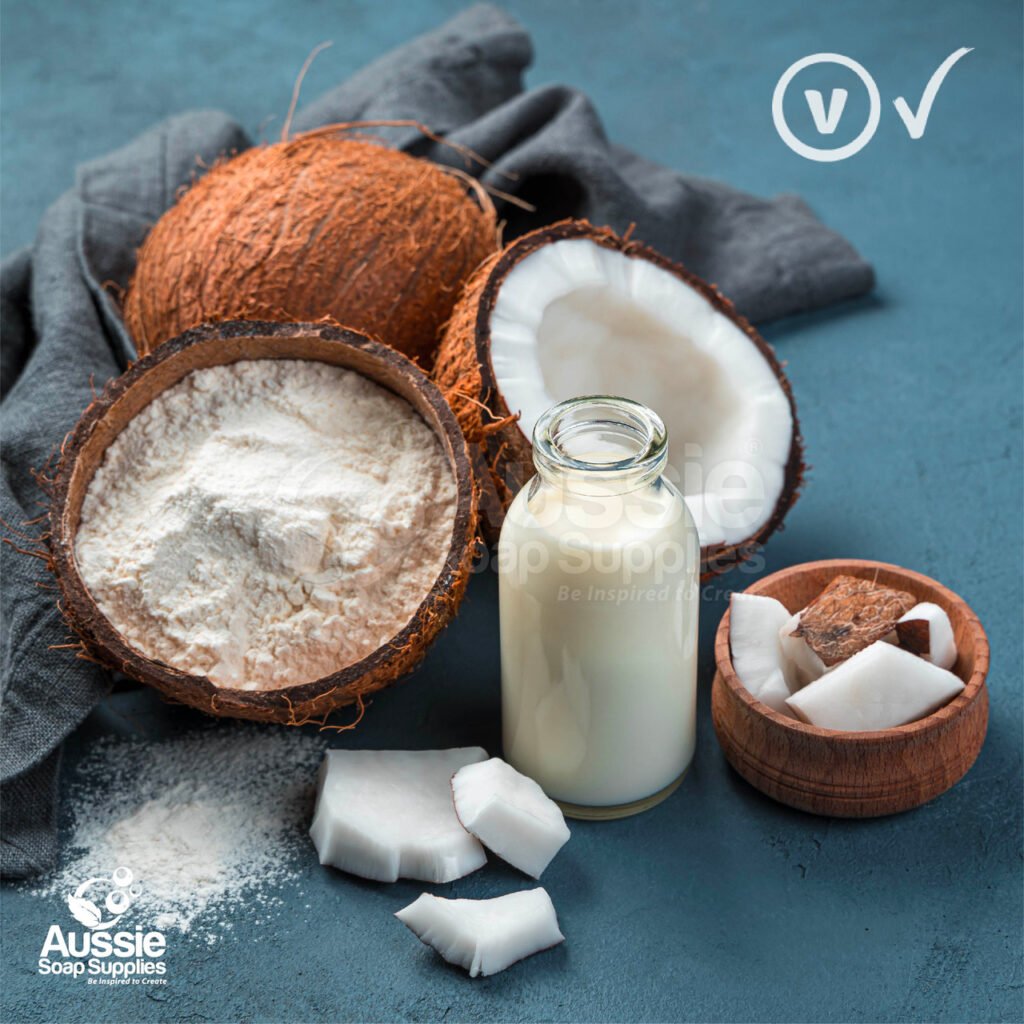

Coconut milk has become one of the most popular plant-based ingredients in kitchens around the world. Whether you’re following a vegan lifestyle, avoiding dairy, or simply looking to add a rich tropical flavor to your meals, coconut milk offers plenty of reasons to earn a place in your pantry.
Its creamy texture, naturally sweet taste, and impressive versatility make it much more than just an ingredient for curries. From smoothies and soups to desserts and coffee, coconut milk can transform everyday recipes into something special. Beyond its culinary appeal, many people are also curious about its nutritional value and possible health benefits.
But is coconut milk actually healthy? Does it deserve its growing reputation as a nutritious dairy alternative? The answer depends on how you use it and the type you choose.
In this comprehensive guide, we’ll explore everything you need to know about coconut milk, including its nutrition facts, health benefits, culinary uses, storage tips, potential drawbacks, and practical ways to include it in your daily diet.
What Is Coconut Milk?
Despite its name, coconut milk isn’t the liquid naturally found inside a coconut. That clear liquid is known as coconut water.
Instead, coconut milk is made by grating mature coconut flesh and blending it with warm water. The mixture is then strained, producing a rich, creamy liquid packed with natural coconut flavor.
Depending on how much water is added during production, coconut milk comes in different consistencies:
| Type | Texture | Best Uses |
|---|---|---|
| Full-fat coconut milk | Thick and creamy | Curries, soups, desserts |
| Light coconut milk | Thinner and lower in calories | Smoothies, cereals, beverages |
| Coconut cream | Very thick | Whipped toppings, desserts, sauces |
Fresh homemade coconut milk typically has a stronger flavor than canned varieties and contains no preservatives.
Coconut Milk Nutrition
The nutritional profile of coconut milk varies depending on whether it’s homemade, canned, or sold as a beverage.
Here’s an approximate nutrition breakdown for one cup (240 ml) of canned full-fat coconut milk.
| Nutrient | Approximate Amount |
| Calories | 445 |
| Fat | 48 g |
| Saturated Fat | 43 g |
| Carbohydrates | 6 g |
| Protein | 5 g |
| Fiber | 5 g |
| Iron | Good source |
| Magnesium | Moderate |
| Potassium | Moderate |
| Manganese | High |
| Copper | Good source |
| Phosphorus | Moderate |
Coconut milk is naturally:
- Dairy-free
- Lactose-free
- Gluten-free
- Soy-free
- Vegan-friendly
- Plant-based
It also contains medium-chain triglycerides (MCTs), which have attracted significant attention in nutrition research.
Health Benefits of Coconut Milk
Rich in Healthy Fats
One of the defining characteristics of coconut milk is its healthy fat content.
Unlike many other plant-based beverages, coconut milk contains medium-chain triglycerides (MCTs). These fats are metabolized differently than long-chain fats and are converted into energy more quickly.
Many people enjoy coconut milk because it provides lasting satiety, making meals feel more satisfying.
Supports Heart Health in Moderation
Although coconut milk contains saturated fat, modern research suggests the relationship between saturated fat and heart health is more complex than once believed.
Eating coconut milk occasionally as part of a balanced diet may not negatively affect cardiovascular health for most healthy individuals. However, portion control remains important, especially for people managing cholesterol levels.
Provides Essential Minerals
Coconut milk contains several minerals your body needs every day, including:
- Iron
- Magnesium
- Copper
- Potassium
- Manganese
- Phosphorus
These nutrients contribute to:
- Healthy bones
- Normal muscle function
- Energy production
- Immune support
- Red blood cell formation
- Enzyme activity
Naturally Dairy-Free
People with lactose intolerance often struggle to enjoy creamy foods.
Coconut milk provides an excellent alternative because it delivers richness without dairy. It’s commonly used in vegan recipes, dairy-free baking, and lactose-free cooking.
May Promote Fullness
Healthy fats digest more slowly than simple carbohydrates.
As a result, coconut milk may help you stay fuller for longer, reducing unnecessary snacking throughout the day.
When combined with fiber-rich foods such as vegetables, legumes, or oats, it creates highly satisfying meals.
Supports Plant-Based Diets
Many vegans rely on coconut milk to replace heavy cream, whole milk, or condensed milk.
It works exceptionally well in:
- Vegan soups
- Dairy-free sauces
- Plant-based desserts
- Creamy pasta dishes
- Vegan ice cream
Contains Natural Antioxidants
Fresh coconut contains plant compounds with antioxidant properties.
These compounds help protect cells from oxidative stress caused by free radicals. While coconut milk isn’t among the richest antioxidant foods, it still contributes beneficial plant nutrients.
Is Coconut Milk Good for Weight Loss?
This is one of the most common questions people ask.
The answer depends on portion size.
Full-fat coconut milk is calorie-dense because of its fat content. However, those healthy fats can also increase feelings of fullness.
If you’re trying to lose weight:
- Measure serving sizes.
- Choose light coconut milk when appropriate.
- Balance it with vegetables and lean protein.
- Avoid drinking large amounts daily.
Replacing sugary creamers or processed sauces with moderate amounts of coconut milk may actually improve overall diet quality.
Coconut Milk vs Coconut Water
These two products are often confused, but they’re very different.
| Coconut Milk | Coconut Water |
| Made from coconut flesh | Found naturally inside young coconuts |
| Thick and creamy | Thin and refreshing |
| High in fat | Very low in fat |
| Rich in calories | Low in calories |
| Ideal for cooking | Ideal for hydration |
Each has its own nutritional advantages depending on your goals.
Culinary Uses of Coconut Milk
One reason coconut milk has become so popular is its incredible versatility.
In Curries
Traditional Thai, Indian, and Sri Lankan curries rely heavily on coconut milk.
Its creamy texture balances spicy ingredients while adding depth of flavor.
In Soups
Many soups benefit from coconut milk, including:
- Pumpkin soup
- Butternut squash soup
- Tomato soup
- Seafood chowder
- Lentil soup
In Smoothies
Blend coconut milk with:
- Banana
- Mango
- Pineapple
- Berries
- Spinach
- Chia seeds
The result is a rich, creamy smoothie packed with tropical flavor.
In Coffee
Many coffee lovers replace dairy cream with coconut milk.
It creates a naturally creamy drink with subtle coconut notes that pair beautifully with espresso.
In Baking
Coconut milk works well in:
- Cakes
- Muffins
- Pancakes
- Brownies
- Cookies
- Bread pudding
It adds moisture while keeping recipes dairy-free.
In Desserts
Some favorite coconut milk desserts include:
- Rice pudding
- Coconut ice cream
- Chocolate mousse
- Panna cotta
- Custards
- Chia pudding
In Savory Sauces
Coconut milk helps create creamy sauces without cheese or cream.
Popular examples include:
- Peanut sauce
- Curry sauce
- Garlic sauce
- Mushroom sauce
- Coconut lime sauce
Homemade Coconut Milk
Making coconut milk at home is surprisingly easy.
Ingredients
- 2 cups fresh grated coconut
- 4 cups warm water
Instructions
- Blend coconut with warm water.
- Blend for 2–3 minutes.
- Strain through cheesecloth.
- Squeeze thoroughly.
- Refrigerate immediately.
Homemade coconut milk stays fresh for around 3 to 4 days.
How to Choose the Best Coconut Milk
Not every product on store shelves offers the same quality.
Look for:
- Minimal ingredients
- No added sugars
- No artificial flavors
- BPA-free cans when possible
- Organic certification if preferred
Always read the nutrition label since some brands add stabilizers, gums, or sweeteners.
Storage Tips
Proper storage helps preserve freshness.
Unopened
Store canned coconut milk in a cool, dry place.
After Opening
Transfer leftovers to an airtight container and refrigerate.
Use within:
- 4–5 days for canned coconut milk
- 3–4 days for homemade coconut milk
Freezing
Coconut milk freezes well for several months.
After thawing, separation may occur. Simply stir or blend before using.
Possible Downsides
Although coconut milk offers many benefits, moderation is important.
Potential concerns include:
- High calorie content
- High saturated fat
- Possible digestive discomfort for sensitive individuals
- Some commercial brands contain additives
People with coconut allergies should avoid coconut milk entirely.
If you have existing heart disease or elevated cholesterol, discuss appropriate serving sizes with your healthcare provider.
Coconut Milk in Special Diets
Coconut milk fits into numerous eating styles.
It is commonly included in:
- Vegan diets
- Vegetarian diets
- Dairy-free lifestyles
- Paleo diets
- Whole-food cooking
- Gluten-free meal plans
- Keto diets (in moderation)
- Low-carb recipes
Its flexibility makes it a favorite ingredient for home cooks worldwide.
Delicious Ways to Enjoy Coconut Milk
Need inspiration? Here are a few simple ideas:
- Add it to oatmeal.
- Blend it into fruit smoothies.
- Stir it into curry.
- Make creamy mashed sweet potatoes.
- Cook rice with coconut milk.
- Prepare dairy-free hot chocolate.
- Use it in overnight oats.
- Make tropical popsicles.
- Create homemade salad dressings.
- Blend into creamy vegetable soups.
Small additions can dramatically improve flavor without requiring complicated recipes.
Final Thoughts
Coconut milk has earned its place as one of the most versatile and flavorful ingredients available today. Its rich texture, naturally sweet taste, and plant-based profile make it a favorite among home cooks, professional chefs, and health-conscious eaters alike.