
There are few trees that reward gardeners as generously as the kousa dogwood. While many ornamental trees put on a spectacular show for only a few weeks each year, this elegant landscape favorite delivers beauty from spring through winter. Creamy white blooms, rich green foliage, colorful berries, fiery autumn leaves, and attractive peeling bark ensure there’s always something worth admiring.
Whether you’re planting your very first ornamental tree or expanding an established landscape, learning how to care for a kousa dogwood can transform your garden into a year-round display of color and texture. Even better, this tree is known for being more disease-resistant than many traditional dogwood varieties, making it an excellent choice for gardeners who want beauty without constant maintenance.
In this guide, you’ll discover everything you need to know—from selecting the ideal planting location to watering schedules, pruning techniques, fertilizing tips, seasonal maintenance, and common problems to avoid.
What Is a Kousa Dogwood?
The kousa dogwood (Cornus kousa) is a deciduous flowering tree native to East Asia, including Japan, Korea, and China. Unlike the native flowering dogwood that blooms before leaves appear, the kousa dogwood flowers several weeks later, once fresh green foliage has fully emerged.
This timing gives the blossoms a fuller, more dramatic appearance. The flowers themselves are actually four large white or pink bracts surrounding tiny green blooms at the center.
Why Gardeners Love It
Some of the biggest advantages include:
- Long-lasting spring blooms
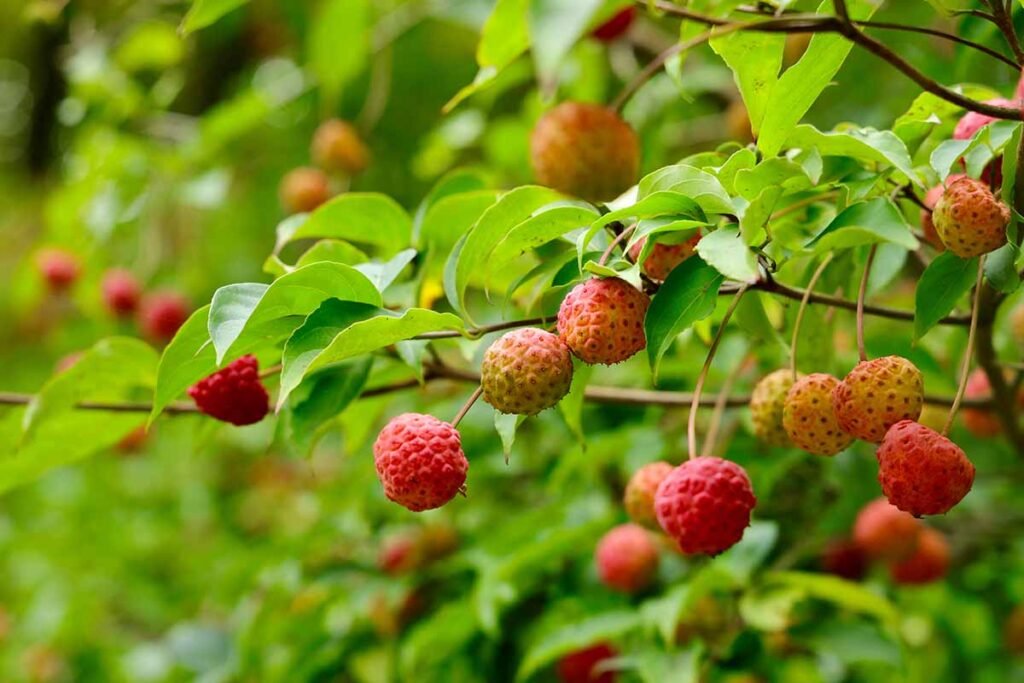
- Attractive edible berries in summer
- Brilliant red and purple fall foliage
- Decorative exfoliating bark during winter
- Excellent disease resistance
- Strong drought tolerance once established
- Adaptable growth habit
- Minimal maintenance requirements
- Four-season landscape interest
- Wildlife-friendly fruit production
For homeowners looking for a tree that provides beauty throughout the year without demanding constant attention, the kousa dogwood consistently ranks among the best ornamental choices.
Kousa Dogwood at a Glance
| Feature | Details |
|---|---|
| Botanical Name | Cornus kousa |
| Common Name | Kousa Dogwood |
| Plant Type | Deciduous flowering tree |
| Mature Height | 15–30 feet |
| Mature Width | 15–25 feet |
| Growth Rate | Slow to moderate |
| Sun Exposure | Full sun to partial shade |
| Soil Type | Moist, well-drained soil |
| Soil pH | Slightly acidic to neutral |
| Bloom Time | Late spring to early summer |
| Flower Color | White, cream, or soft pink |
| USDA Hardiness Zones | 5–8 |
| Special Features | Edible fruit, fall color, ornamental bark |
Choosing the Perfect Planting Location
Location is one of the biggest factors in the long-term health of a kousa dogwood. Although adaptable, it performs best when planted where its natural growing conditions can be replicated.
Sunlight Requirements
The tree grows happily in several light conditions.
Full Sun
- Best flowering
- Strong branch development
- More fruit production
Partial Shade
- Healthier foliage in hot climates
- Less moisture stress
- Reduced leaf scorch
In southern regions, afternoon shade often produces healthier plants during extremely hot summers.
Soil Conditions
Healthy roots begin with healthy soil.
A thriving kousa dogwood prefers:
- Rich organic matter
- Excellent drainage
- Slightly acidic soil
- Loose soil texture
- Moderate moisture retention
Heavy clay soils can cause root problems if water remains around the base for extended periods.
How to Plant a Kousa Dogwood
Proper planting lays the foundation for decades of healthy growth.
Step 1: Dig the Right Hole
Dig a planting hole approximately:
- Two to three times wider than the root ball
- Equal in depth to the root ball
Avoid planting too deeply, as buried root flares often lead to poor tree health.
Step 2: Prepare the Soil
Mix native soil with:
- Compost
- Leaf mold
- Organic matter
Avoid using excessive fertilizer during planting.
Step 3: Position the Tree
Place the tree carefully so the root flare sits slightly above ground level.
Backfill gently while removing large air pockets.
Step 4: Water Thoroughly
Deep watering immediately after planting helps settle the soil around the roots.
Finish by adding a 2–3 inch layer of mulch while keeping it several inches away from the trunk.
Watering Your Kousa Dogwood
Water management changes as the tree matures.
Newly Planted Trees
During the first growing season:
- Water deeply once or twice each week.
- Increase watering during extended dry spells.
- Reduce watering after heavy rainfall.
- Keep the soil evenly moist but never soggy.
Established Trees
A mature kousa dogwood is surprisingly drought tolerant.
Generally, it only needs supplemental watering during prolonged periods without rain. Deep watering every couple of weeks is usually enough during summer drought.
Shallow daily watering should be avoided because it encourages weak surface roots instead of deep root development.
Mulching for Healthier Growth
Mulch is one of the simplest ways to improve tree health.
Benefits include:
- Conserves moisture
- Reduces weeds
- Stabilizes soil temperature
- Improves soil structure
- Adds organic nutrients as it breaks down
Suitable mulch materials include:
- Pine bark
- Hardwood bark
- Shredded leaves
- Wood chips
- Compost
Refresh mulch annually without piling it against the trunk, as excessive mulch can trap moisture and encourage decay.
Fertilizing the Right Way
Many gardeners assume every flowering tree needs frequent feeding. In reality, the kousa dogwood often performs beautifully with minimal fertilizer, especially when planted in fertile soil rich in organic matter.
If growth appears slow or leaves lose their rich green color, apply a balanced, slow-release fertilizer in early spring before new growth begins. Over-fertilizing can lead to excessive leafy growth at the expense of flowers, so moderation is always the better approach.
Organic options such as compost, well-aged manure, or leaf mold also provide steady nutrition while improving soil structure over time.
When Does a Kousa Dogwood Bloom?
One of the most exciting moments each year is watching the kousa dogwood burst into bloom. Unlike many flowering trees that finish quickly, its blossoms often remain attractive for several weeks.
Blooming typically occurs in late spring to early summer, depending on local climate. As the creamy white bracts mature, they gradually develop subtle shades of pink before dropping, extending the display even longer.
After flowering, the tree begins producing unusual raspberry-like fruits that continue the ornamental show well into summer.