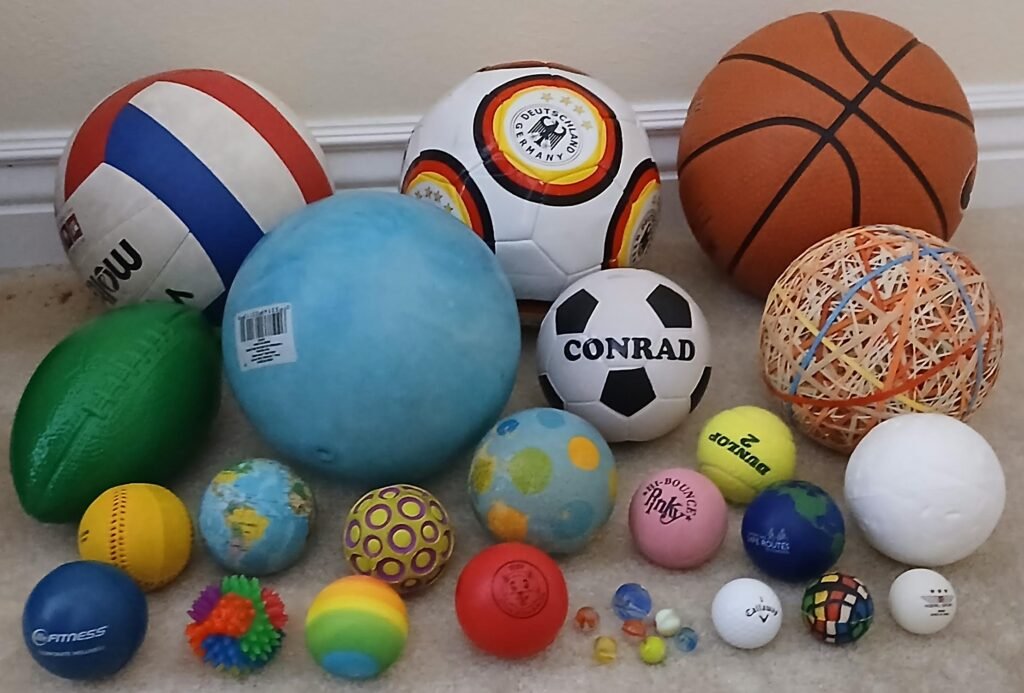

Sports have a unique way of bringing people together. Whether it’s a neighborhood soccer match, a competitive basketball game, a tennis tournament, or a casual day at the park, one piece of equipment often sits at the center of the action: the ball.
Yet surprisingly, many people buy sports balls without understanding what separates a high-quality product from a mediocre one. As a result, they often end up with equipment that wears out quickly, performs poorly, or simply doesn’t suit their needs.
This complete guide will help you navigate the world of balls with confidence. From materials and construction to size, durability, and sport-specific recommendations, you’ll learn everything you need to know before making your next purchase.
Why Choosing the Right Ball Matters
Many athletes focus on shoes, protective gear, or apparel, but the quality of a ball directly affects gameplay. A well-made ball offers better control, accuracy, consistency, and durability.
For example:
- A soccer ball with poor stitching may lose shape quickly.
- A basketball with weak grip can affect ball handling.
- A tennis ball with low-quality felt may lose bounce after only a few matches.
- A volleyball with poor construction can become uncomfortable during play.
The right choice improves performance while enhancing enjoyment of the sport.
Understanding the Different Types of Balls
Before shopping, it’s important to understand that sports balls are designed for specific activities. Each type has unique characteristics that support the demands of the game.
Soccer Balls
Soccer balls are among the most popular balls worldwide. They typically feature:
- Synthetic leather covering
- Multi-panel construction
- Air-filled bladder
- Water-resistant design
Modern soccer balls prioritize flight stability, touch, and durability.
Basketballs
Basketballs are designed for dribbling, passing, and shooting.
Key features include:
- Pebbled surface texture
- Strong grip
- Consistent bounce
- Durable rubber or composite cover
Indoor basketballs usually provide superior feel, while outdoor models emphasize durability.
Tennis Balls
Tennis balls are pressurized and covered with felt.
Their performance depends on:
- Bounce consistency
- Pressure retention
- Felt quality
- Court compatibility
Professional tournaments often use premium tennis balls specifically approved for competition.
Volleyballs
Volleyballs are lighter than many other sports balls and designed for controlled passing and serving.
Important qualities include:
- Soft touch
- Lightweight construction
- Stable flight path
- Comfortable surface
Footballs
American footballs have a distinctive prolate spheroid shape.
Buyers should consider:
- Grip texture
- Lacing quality
- Leather material
- Weather resistance
Baseballs and Softballs
These balls feature a solid core wrapped in yarn and covered with leather or synthetic material.
Differences include:
- Circumference
- Weight
- Core construction
- Intended competition level
Golf Balls
Golf balls may look simple, but they contain advanced engineering.
Factors affecting performance include:
- Compression rating
- Dimple pattern
- Spin control
- Distance optimization
Key Factors to Consider When Buying Balls
Not all balls are created equal. Understanding the following factors can help you make a smarter purchase.
Material Quality
Material affects performance, feel, and lifespan.
Common materials include:
| Material | Benefits | Best Use |
|---|---|---|
| Genuine Leather | Premium feel and control | Professional play |
| Synthetic Leather | Durable and affordable | Most sports |
| Rubber | Excellent durability | Outdoor use |
| Composite Materials | Balanced performance | Training and competition |
| Felt | Enhanced bounce control | Tennis |
Higher-quality materials generally provide better long-term value.
Construction Methods
The way balls are manufactured impacts their consistency and durability.
Hand-Stitched Construction
Hand-stitched balls are often preferred for:
- Better shape retention
- Increased durability
- Enhanced touch
These are commonly found in premium soccer balls.
Machine-Stitched Construction
Machine stitching offers:
- Lower cost
- Consistent production
- Good recreational performance
Thermally Bonded Construction
This modern technique creates seamless balls with:
- Reduced water absorption
- Improved aerodynamics
- Enhanced accuracy
Professional-level soccer balls frequently use thermal bonding.
Size Selection
Choosing the correct size is critical.
Soccer Ball Sizes
- Size 1: Skills training
- Size 3: Young children
- Size 4: Youth players
- Size 5: Adults and professionals
Basketball Sizes
- Size 5: Youth
- Size 6: Women and older youth
- Size 7: Men’s official size
Using the wrong size can hinder skill development and comfort.
Weight and Balance
Quality balls maintain consistent weight distribution.
Benefits include:
- Better control
- Predictable movement
- Improved accuracy
- Enhanced gameplay
Uneven weight often leads to inconsistent performance.
Indoor vs Outdoor Balls
One common mistake buyers make is using indoor equipment outdoors.
Indoor Balls
Indoor balls usually feature:
- Softer covers
- Better grip
- Enhanced touch
- Professional feel
However, they wear out faster on rough surfaces.
Outdoor Balls
Outdoor balls are built for:
- Concrete courts
- Asphalt surfaces
- Grass fields
- Harsh weather
Their tougher construction improves longevity.
How Durability Impacts Value
Price matters, but value matters more.
A cheaper ball that lasts two months may actually cost more over time than a premium model that lasts several years.
Look for:
- Reinforced seams
- Quality bladder systems
- Abrasion resistance
- Strong outer covers
Investing slightly more often results in better performance and lower replacement costs.
Understanding Ball Pressure
Proper inflation is frequently overlooked.
Incorrect pressure affects:
- Bounce
- Flight path
- Control
- Player safety
Most sports balls display recommended pressure ranges.
Always use a quality pressure gauge when inflating.
Signs of Overinflation
- Hard feel
- Reduced control
- Increased wear
- Higher risk of seam damage
Signs of Underinflation
- Poor bounce
- Sluggish movement
- Reduced accuracy
- Shape distortion
Maintaining proper air pressure helps preserve performance.
Training Balls vs Match Balls
Not every ball serves the same purpose.
Training Balls
Training balls prioritize:
- Durability
- Affordability
- Frequent use
They’re ideal for schools, clubs, and daily practice.
Match Balls
Match balls focus on:
- Precision
- Consistency
- Professional standards
- Advanced construction
Competitive athletes often use separate balls for practice and games.
Weather Considerations
Environmental conditions can affect performance significantly.
Wet Conditions
Look for:
- Water-resistant materials
- Sealed seams
- Thermal bonding
Hot Weather
Heat can increase internal pressure and accelerate wear.
Cold Weather
Cold temperatures may:
- Reduce bounce
- Stiffen materials
- Affect grip
Selecting weather-appropriate balls improves reliability.
Popular Features Modern Buyers Should Consider
Sports equipment technology continues to evolve.
Some modern balls now include:
Enhanced Aerodynamics
Improved panel designs create:
- Stable flight
- Better accuracy
- Reduced drag
Advanced Grip Technology
Particularly important for:
- Basketball
- Football
- Handball
Moisture Management
Special coatings help maintain performance during wet conditions.
Improved Bladder Systems
High-quality bladders offer:
- Better air retention
- Consistent shape
- Longer lifespan
Choosing Balls for Children
Kids have different needs than adults.
Parents should prioritize:
- Correct size
- Lightweight design
- Soft materials
- Safety certifications
Using age-appropriate balls encourages skill development and confidence.
Recommended Features for Young Athletes
- Soft-touch surfaces
- Reduced weight
- Bright colors
- Durable construction
The goal is enjoyment first, performance second.
Common Buying Mistakes
Many consumers repeat the same purchasing errors.
Avoid these pitfalls:
Buying Based Solely on Price
The cheapest option isn’t always the best value.
Ignoring Intended Surface
A basketball designed for indoor courts may deteriorate rapidly outdoors.
Choosing the Wrong Size
Incorrect sizing affects technique and comfort.
Neglecting Maintenance
Even premium balls require proper care.
Overlooking Brand Reputation
Established manufacturers often provide better quality control.
Ball Maintenance Tips
Good maintenance extends the life of sports balls considerably.
Store Properly
Keep balls in:
- Cool environments
- Dry spaces
- Away from direct sunlight
Clean Regularly
Remove:
- Dirt
- Mud
- Grass stains
- Court residue
Monitor Air Pressure
Check inflation regularly for consistent performance.
Rotate Usage
If you play frequently, alternate between multiple balls to reduce wear.
Best Buying Strategy for Different Users
Casual Players
Focus on:
- Durability
- Affordability
- Versatility
Youth Athletes
Prioritize:
- Correct sizing
- Comfort
- Skill development
Competitive Players
Look for:
- Match-quality construction
- Premium materials
- Official specifications
Coaches and Clubs
Seek:
- Bulk value
- Long-term durability
- Consistent quality
Quick Comparison Guide
| Buyer Type | Recommended Priority |
| Beginner | Affordability and durability |
| Youth Player | Size and comfort |
| Recreational Athlete | Versatility |
| Competitive Athlete | Performance and consistency |
| Coach | Quantity and durability |
| Professional Player | Elite-level construction |
The Future of Sports Balls
Innovation continues to transform sports equipment.
Manufacturers are exploring:
- Sustainable materials
- Eco-friendly production
- Smart technology integration
- Enhanced aerodynamics
- Longer-lasting construction
Future balls may even provide real-time performance data for athletes and coaches.
As technology evolves, buyers will gain access to equipment that performs better while reducing environmental impact.
Conclusion
Choosing the right balls may seem simple at first glance, but a closer look reveals numerous factors that influence performance, comfort, and durability. Material quality, construction methods, size, inflation, weather resistance, and intended use all play important roles in determining whether a ball will meet your expectations.