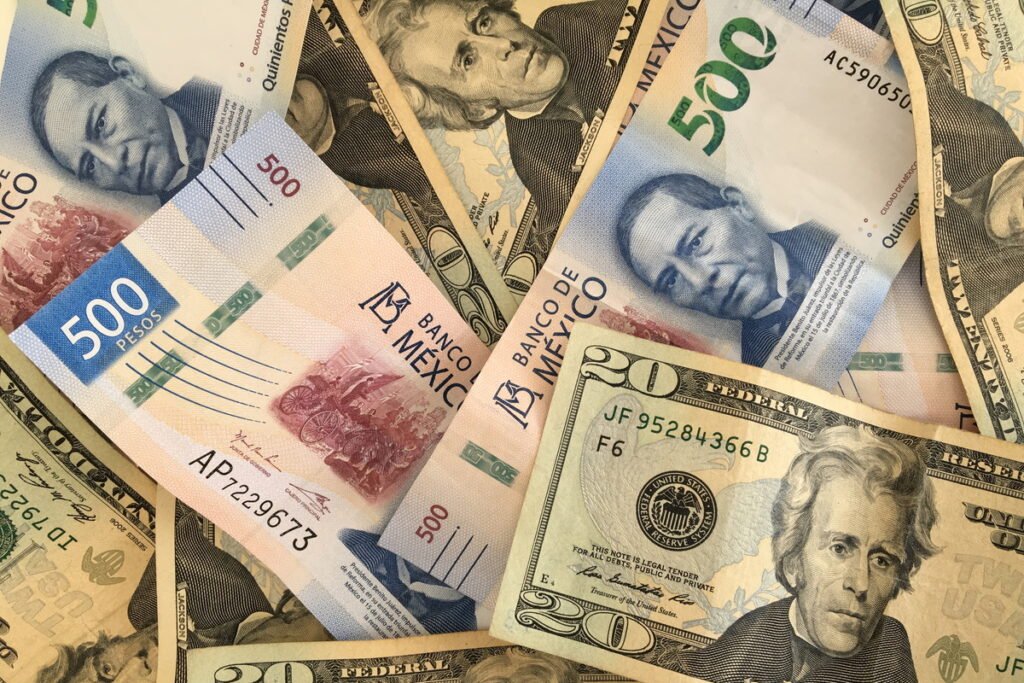

If you’ve ever tried to plan a trip, send money abroad, or simply understand how much your money is worth in another country, you’ve probably typed something like dollars to pesos into a search bar. It’s one of those everyday financial queries that seems simple at first glance but quickly becomes confusing once you see fluctuating numbers, hidden fees, and constantly changing exchange rates.
The truth is, converting dollars to pesos is not just about multiplying one number by another. It’s about timing, understanding the live forex market, and knowing how different services apply their own margins. Whether you’re a traveler heading to Mexico, a freelancer getting paid in USD, or someone sending remittances, this guide will help you make sense of it all in a natural, practical way.
Understanding the Basics of Dollars to Pesos Conversion
At its core, the idea behind dollars to pesos is simple: you exchange United States dollars (USD) into Mexican pesos (MXN). But the simplicity ends there.
The value of dollars to pesos changes every second due to global financial activity. This movement is driven by supply and demand in the foreign exchange market, also known as forex trading. Banks, apps, and money transfer services all adjust their rates based on this live data.
Some people assume there is one fixed rate, but in reality, there are several:
- Mid-market rate (the real benchmark rate)
- Bank exchange rate
- Cash exchange rate at currency counters
- Online transfer rate
- Tourist exchange rate (often less favorable)
When you search dollars to pesos, you’re usually seeing an averaged or slightly marked-up rate depending on the platform.
How a Live Dollars to Pesos Calculator Works
A live calculator is designed to give you real-time estimates based on the current forex rate. When you use a dollars to pesos calculator, it pulls live data from financial markets and instantly converts the amount.
What happens behind the scenes?
A typical conversion system considers:
- Live USD to MXN exchange rate
- Market fluctuations in real time
- Conversion fees (if applicable)
- Service provider margins
- Digital transfer costs
- Currency spread differences
So when you enter an amount like 100 USD, the result in dollars to pesos may vary slightly depending on the platform you use.
A good calculator helps you avoid surprises, especially when dealing with international payments or travel budgets.
Why Dollars to Pesos Rates Change So Often
One of the most confusing things for beginners is how fast dollars to pesos rates move. You might check in the morning and see one number, then check again at night and see something different.
Here’s why that happens:
1. Global economic activity
Major economic news in the US or Mexico can affect currency demand instantly.
2. Inflation levels
Higher inflation in Mexico or the US weakens currency value over time.
3. Interest rates
Central bank decisions directly influence dollars to pesos fluctuations.
4. Market speculation
Traders buying or selling large volumes can shift short-term rates.
5. Political events
Elections, trade agreements, or instability often impact exchange confidence.
So when you check dollars to pesos, you’re seeing a snapshot of a constantly moving system.
Real-Life Example of Dollars to Pesos Conversion
Let’s make it practical.
Imagine you are traveling to Cancun with 500 USD.
If the rate is:
1 USD = 17.20 MXN
Then your dollars to pesos conversion would be:
500 × 17.20 = 8,600 MXN
However, if your bank charges a 3% conversion fee, your final amount may be lower. That’s why understanding the real dollars to pesos rate matters more than just the headline number.
Factors That Affect Dollars to Pesos Value
Many people don’t realize how many small factors influence dollars to pesos conversions. Here are the most important ones:
- Exchange rate volatility
- Transaction fees
- Currency conversion spreads
- ATM withdrawal charges
- International transfer costs
- Credit card foreign transaction fees
- Market liquidity
- Economic growth differences
- Tourism demand in Mexico
- Banking institution policies
Each of these can slightly change your final dollars to pesos outcome.
Common Methods to Convert Dollars to Pesos
There are several ways people handle dollars to pesos conversions today:
1. Bank transfers
Reliable but often include higher fees.
2. Online money transfer apps
Fast and usually closer to real market rates.
3. Currency exchange booths
Convenient for travelers but often less favorable.
4. ATMs abroad
Practical but may include withdrawal charges.
5. Forex trading platforms
Used by investors and traders dealing with large volumes.
Each method gives a slightly different dollars to pesos result.
Dollars to Pesos for Travelers
If you are visiting Mexico, understanding dollars to pesos becomes very important for budgeting.
You will likely spend on:
- Hotels and accommodations
- Street food and restaurants
- Transportation like taxis or buses
- Tourist attractions
- Shopping and souvenirs
Even a small change in dollars to pesos rates can impact your total travel budget significantly.
For example, a 2% shift in currency value might not matter on paper, but it can add up during a long trip.
Dollars to Pesos for Remittances and Transfers
Many people send money internationally every day. For them, dollars to pesos is not just a number—it’s financial support for family or business.
When sending money, consider:
- Transfer speed
- Exchange rate markup
- Receiving fees in Mexico
- Service reliability
- Hidden deductions
A small difference in dollars to pesos rates can mean receiving hundreds of pesos less or more.
Useful Conversion Table (Example Rates)
Here’s a simple breakdown of dollars to pesos conversions based on an example rate of 17.20:
| USD (Dollars) | MXN (Pesos) |
|---|---|
| 10 USD | 172 MXN |
| 50 USD | 860 MXN |
| 100 USD | 1,720 MXN |
| 250 USD | 4,300 MXN |
| 500 USD | 8,600 MXN |
| 1,000 USD | 17,200 MXN |
This table helps visualize how dollars to pesos grows with different amounts.
Tips for Getting the Best Dollars to Pesos Rate
If you want to get the most value out of your dollars to pesos conversion, here are some practical tips:
- Always compare rates across platforms
- Avoid airport exchange counters when possible
- Use digital transfer services with low fees
- Monitor forex trends before large transactions
- Check mid-market rates before converting
- Avoid dynamic currency conversion when paying by card
- Withdraw larger amounts less frequently to reduce fees
These small habits can significantly improve your dollars to pesos results.
Mistakes People Make with Dollars to Pesos
Many users lose money without realizing it. Common mistakes include:
- Ignoring hidden fees
- Trusting advertised rates without checking final value
- Converting money at unfavorable times
- Using multiple intermediaries
- Not tracking real-time dollars to pesos changes
Avoiding these mistakes can make a noticeable difference in your overall conversion experience.
The Role of Technology in Dollars to Pesos Conversion
Modern financial tools have made dollars to pesos conversion easier than ever.
Mobile apps, banking platforms, and forex calculators now provide:
- Real-time exchange updates
- Instant conversion tools
- Fee breakdowns
- Historical rate tracking
- Alerts for rate changes
Because of these tools, checking dollars to pesos has become something you can do in seconds.
Conclusion: Why Dollars to Pesos Matters More Than You Think
At first glance, dollars to pesos might seem like a simple financial calculation. But once you dig deeper, it becomes clear that it reflects global economics, travel planning, remittances, and everyday money decisions.
Whether you are a traveler budgeting your next trip, a freelancer working with international clients, or someone sending support to family, understanding dollars to pesos helps you make smarter financial choices.
The key is not just checking the rate once, but understanding how and why it changes. With the right awareness and tools, you can always get closer to the real value of your money.
In the end, staying informed about dollars to pesos is less about numbers and more about control—control over your spending, your savings, and your financial decisions.