
Why Every Pet Owner Needs a Smarter Approach
Taking care of a pet is not just about feeding and walking them. It is about building a lifestyle where health, comfort, and happiness come together. Many pet owners start with good intentions but quickly realize that proper care requires knowledge, consistency, and the right resources. That is where the idea of a pet smart approach becomes important.
When people talk about being pet smart, they usually mean making informed choices about pet nutrition, grooming, training, and health care. It is a mindset that helps you understand your pet better and respond to their needs in a responsible way. Whether you are a first-time pet parent or an experienced one, following a structured pet smart guide can make life easier and more enjoyable for both you and your furry friend.
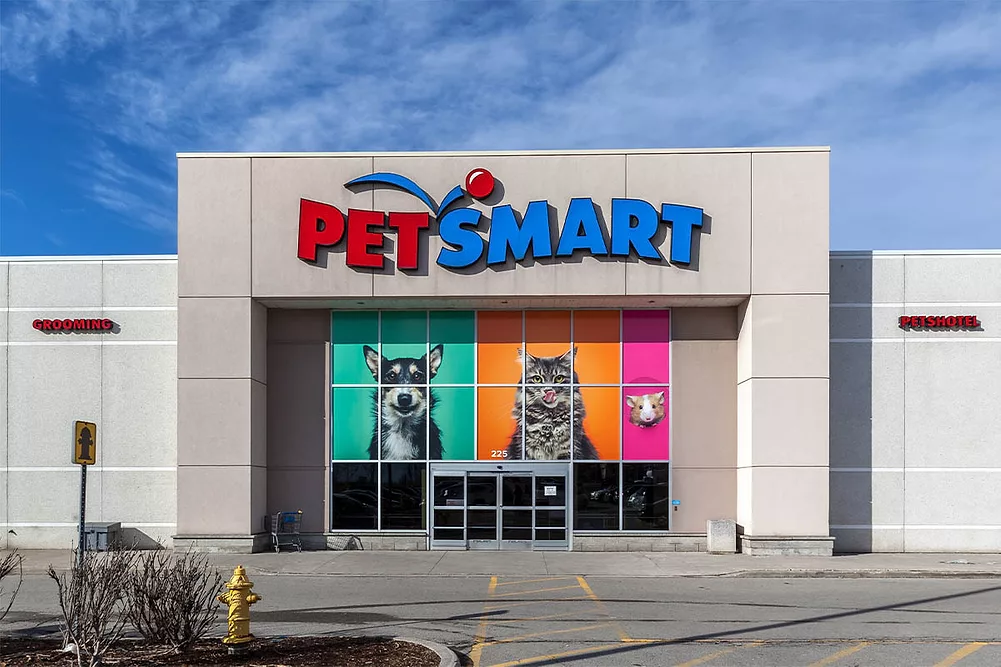
Retailers like PetSmart have also helped pet owners adopt better habits by offering supplies, grooming services, and training resources under one roof. Still, being pet smart goes beyond shopping—it is about awareness, patience, and daily care decisions.
In this article, we will explore everything you need to know to become truly pet smart, from nutrition to training and beyond.
What Does “Pet Smart” Really Mean?
The phrase pet smart is more than just a keyword—it reflects a modern approach to responsible pet ownership. It combines knowledge, observation, and action.
Being pet smart includes understanding:
- Pet nutrition and balanced diets
- Proper grooming routines
- Behavioral signals from pets
- Preventive veterinary care
- Exercise and mental stimulation
A pet smart owner does not guess—they observe, learn, and apply. This mindset reduces health risks and improves the overall well-being of pets.
Some related concepts include animal care, pet wellness, pet hygiene, pet behavior training, veterinary checkups, and preventive health care.
Why Pet Smart Care Matters Today
Modern pet ownership has changed significantly. Pets are now considered family members, not just animals. Because of this shift, pet smart practices are more important than ever.
A pet smart approach helps with:
- Preventing common diseases like flea infestations and tick problems
- Improving digestion through better pet nutrition
- Reducing anxiety and behavioral issues
- Extending lifespan through preventive care
- Enhancing daily comfort and emotional bonding
When you think in a pet smart way, even small decisions like choosing dry food vs wet food or selecting the right leash or collar matter a lot.
Essential Pet Smart Services Every Owner Should Know
Many pet stores and service providers now support a complete pet smart lifestyle. These services include:
Grooming Services
Professional grooming ensures better hygiene and reduces shedding issues. It includes nail trimming, brushing, and shampoo treatments.
Veterinary Support
Routine checkups, vaccination schedules, deworming, and emergency vet services are essential for long-term pet health.
Training Programs
Obedience training, crate training, and behavior correction help improve discipline in dogs and cats.
Pet Supplies
High-quality pet accessories such as toys, beds, scratching posts, and aquariums improve comfort and stimulation.
Pet Pharmacy Services
Medications, supplements, and flea control products help maintain health stability.
All these services support a pet smart lifestyle and make pet care more structured and effective.
Dog Care: A Pet Smart Approach
Dogs require attention, consistency, and structured routines. A pet smart dog care strategy includes daily exercise, balanced feeding, and behavioral training.
Nutrition for Dogs
A proper diet includes:
- Dry kibble or wet food options
- Protein-rich meals for muscle health
- Controlled portions for weight management
- Natural pet food options for better digestion
Training Basics
Training is essential for discipline and safety. Focus on:
- Puppy training and socialization
- Leash training for walks
- Obedience commands like sit, stay, and come
- Behavior correction for aggression or anxiety
Health Care Tips
- Regular vaccination schedules
- Flea and tick prevention
- Dental care and oral hygiene
- Annual veterinary checkups
Being pet smart with dogs ensures they remain active, friendly, and emotionally balanced.
Cat Care: Keeping It Simple Yet Effective
Cats are independent, but they still require structured care. A pet smart cat routine focuses on comfort and cleanliness.
Nutrition for Cats
- High-protein kitten food for growth
- Balanced adult cat food
- Hydration through wet food
- Controlled feeding to avoid obesity
Hygiene and Grooming
- Regular litter box cleaning
- Grooming brush sessions for shedding control
- Nail trimming when necessary
- Skin care for allergies or dryness
Behavior Understanding
Cats communicate differently. A pet smart owner learns to read:
- Tail movements
- Vocal changes
- Sleeping patterns
- Stress signals
Understanding these behaviors improves bonding and reduces stress.
Grooming and Hygiene: The Core of Pet Smart Living
Grooming is not just about appearance—it is about health.
A proper grooming routine includes:
- Bathing with pet-safe shampoo
- Brushing fur regularly
- Cleaning ears and eyes
- Nail trimming
- Dental care for oral health
Poor grooming can lead to infections, skin problems, and discomfort. That is why grooming is a central pillar of any pet smart guide.
Training and Behavior Management
Training is one of the most important parts of pet ownership. A pet smart approach focuses on patience and consistency.
Key training areas include:
- Crate training for safety
- Socialization with other animals
- Leash walking habits
- Obedience training for commands
- Anxiety reduction techniques
Behavioral understanding also helps reduce destructive habits like chewing furniture or excessive barking.
Nutrition and Feeding: Building a Healthy Foundation
Food is the foundation of health. A pet smart feeding routine includes:
- Balanced protein, fats, and carbohydrates
- Age-appropriate diets for puppies, kittens, and senior pets
- Portion control to prevent obesity
- High-quality ingredients without harmful additives
Other important nutrition-related LSI concepts include pet nutrition, pet diet planning, premium pet food, budget pet care options, and holistic feeding strategies.
Pet Supplies Every Owner Should Have
A pet smart home is always prepared with essential supplies:
- Leash and collar for dogs
- Harness for safe walking
- Pet toys for mental stimulation
- Scratching posts for cats
- Comfortable pet beds
- Feeding bowls and water dispensers
- Aquarium setups for fish care
- Bird cages for avian pets
- Hamster cages for small animals
These tools support safety, comfort, and enrichment.
Common Mistakes Pet Owners Make
Even experienced owners can make mistakes. A pet smart mindset helps avoid them:
- Overfeeding pets
- Ignoring dental care
- Skipping vaccinations
- Using low-quality food
- Neglecting exercise routines
- Not understanding pet behavior
Avoiding these mistakes significantly improves pet quality of life.
Pet Smart Lifestyle Tips for Better Care
To fully adopt a pet smart lifestyle, follow these simple habits:
- Maintain regular vet visits
- Use preventive flea control methods
- Monitor weight and diet
- Provide daily exercise and playtime
- Keep grooming consistent
- Invest in quality pet accessories
These habits create a healthier and happier environment for pets.
Conclusion: Becoming Truly Pet Smart
Being pet smart is not a one-time effort—it is a continuous journey. It requires attention, learning, and love. From nutrition and grooming to training and health care, every small step contributes to a better life for your pet.
When you follow a pet smart approach, you are not just taking care of an animal—you are building a stronger bond based on trust and understanding. Whether you rely on professional services like PetSmart or manage care at home, the goal remains the same: a healthy, happy, and well-balanced pet.