
Have you ever stepped outside on what looked like the perfect morning, only to spend the rest of the day sneezing, rubbing your itchy eyes, and wondering what went wrong? If that sounds familiar, you’re not alone. For millions of people, checking the pollen count today has become just as important as checking the weather forecast.
A high pollen level can turn a beautiful spring or fall day into a frustrating battle against allergies. Fortunately, understanding pollen forecasts gives you the power to plan your day, reduce symptoms, and enjoy more time outdoors without feeling miserable.
In this complete guide, we’ll explain everything you need to know about the pollen count today, including how it’s measured, what different pollen levels mean, common allergy triggers, practical prevention tips, and simple lifestyle changes that can make a huge difference.
Whether you’re a seasonal allergy sufferer or simply curious about daily pollen forecasts, this guide will help you breathe easier.
What Is the Pollen Count Today?
The pollen count today refers to the amount of airborne pollen particles measured within a specific area over a given period. These microscopic grains are released by trees, grasses, weeds, and flowering plants as part of their natural reproduction process.
Although pollen plays an important role in nature, it can trigger allergic reactions in sensitive individuals. When pollen enters your nose, eyes, or lungs, your immune system may mistake it for a harmful substance and release histamine, causing allergy symptoms.
Daily pollen forecasts help allergy sufferers prepare for changing environmental conditions before symptoms become severe.
Why Checking the Pollen Count Matters
Ignoring the daily pollen forecast can leave you feeling miserable for hours—or even days.
Checking the pollen count today helps you:
- Plan outdoor activities wisely
- Reduce allergy flare-ups
- Schedule exercise during lower pollen hours
- Protect children with seasonal allergies
- Prepare medications before symptoms begin
- Improve sleep quality by limiting exposure
- Avoid unnecessary discomfort
Many people notice fewer symptoms simply by adjusting the time they spend outside.
How Is Pollen Count Measured?
Scientists use specialized air sampling equipment to collect airborne pollen particles. These samples are then analyzed under microscopes to identify different pollen types and estimate concentration levels.
Forecasts typically combine:
| Factor | Purpose |
|---|---|
| Air sampling | Measures actual pollen levels |
| Weather conditions | Predicts pollen movement |
| Wind speed | Determines how far pollen travels |
| Humidity | Influences airborne pollen |
| Temperature | Affects plant pollen release |
| Seasonal plant cycles | Predicts peak allergy periods |
The final result becomes the daily allergy forecast you see on weather apps or local reports.
Understanding Pollen Count Levels
Not every pollen reading has the same impact. Here’s what the numbers generally mean.
| Pollen Level | Allergy Risk |
| Low | Minimal symptoms for most people |
| Moderate | Mild symptoms may begin |
| High | Many allergy sufferers experience discomfort |
| Very High | Strong symptoms are likely without protection |
| Extreme | Severe reactions for sensitive individuals |
Even moderate pollen levels can trigger reactions if you’re highly allergic.
The Three Main Types of Allergy Pollen
Tree Pollen
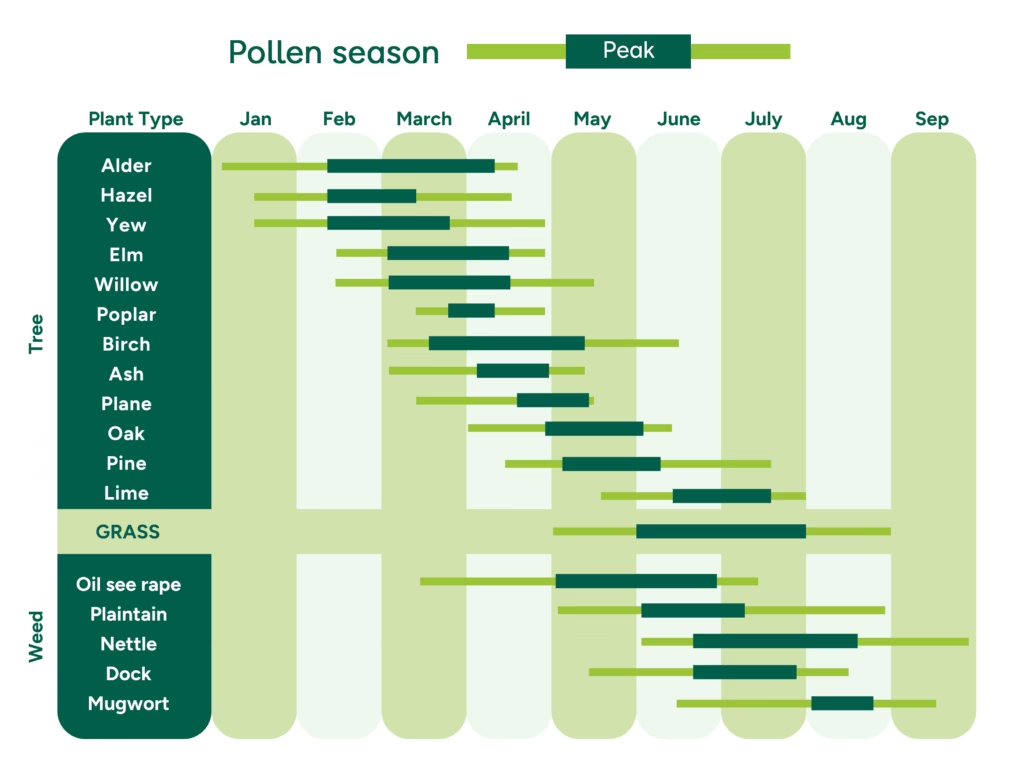
Tree pollen appears first during the allergy season, usually in early spring.
Common sources include:
- Oak
- Birch
- Cedar
- Pine
- Maple
- Elm
- Ash
- Poplar
- Cypress
Tree pollen is lightweight and easily carried by wind, making it one of the biggest spring allergy triggers.
Grass Pollen
Grass pollen dominates during late spring and summer.
Common grass species include:
- Bermuda grass
- Timothy grass
- Kentucky bluegrass
- Ryegrass
- Orchard grass
- Johnson grass
Many people experience worsening hay fever symptoms during peak grass pollen season.
Weed Pollen
Weed pollen usually peaks during late summer and autumn.
Common weeds include:
- Ragweed
- Sagebrush
- Mugwort
- Pigweed
- Lamb’s quarters
- Russian thistle
Ragweed is particularly notorious because a single plant can release millions of pollen grains.
Common Allergy Symptoms
If the pollen count today is high, you may experience:
- Sneezing
- Runny nose
- Nasal congestion
- Itchy eyes
- Watery eyes
- Scratchy throat
- Coughing
- Sinus pressure
- Ear discomfort
- Fatigue
- Headaches
- Reduced concentration
- Wheezing
- Mild asthma flare-ups
Symptoms often worsen during dry, windy weather because pollen travels farther through the air.
What Causes High Pollen Levels?
Several environmental conditions increase airborne pollen.
Warm Weather
Higher temperatures encourage plants to release more pollen.
Wind
Wind spreads pollen across neighborhoods and even entire cities.
Dry Conditions
Dry air allows pollen particles to stay airborne longer.
Seasonal Bloom
Each plant species follows its own blooming cycle.
Climate Changes
Longer growing seasons often extend allergy seasons and increase pollen production.
Weather Conditions That Affect the Pollen Count Today
Weather has a direct influence on allergy forecasts.
Rain
Rain temporarily washes pollen out of the air.
However, once the rain stops, pollen may increase again as plants continue releasing new grains.
Windy Days
Strong winds spread pollen rapidly across large areas.
Sunny Afternoons
Warm sunshine often produces the highest pollen levels.
Cool Mornings
Early mornings may already have elevated pollen because many plants release pollen shortly after sunrise.
Best Times to Go Outside
Timing can reduce your exposure significantly.
Generally, outdoor activities are better:
- After heavy rainfall
- During cooler evenings
- On calm wind days
- When pollen forecasts are low
Try to avoid:
- Mid-morning
- Windy afternoons
- Dry hot days
- Peak flowering seasons
How to Reduce Allergy Symptoms
You don’t have to stay indoors all season.
Here are practical ways to minimize pollen exposure.
Keep Windows Closed
Open windows invite pollen inside your home.
Use air conditioning when possible.
Change Clothes
Pollen sticks to clothing after spending time outdoors.
Changing clothes immediately reduces indoor exposure.
Shower Before Bed
Hair collects pollen throughout the day.
A quick shower prevents transferring pollen onto pillows and bedding.
Wear Sunglasses
Large sunglasses help block pollen from reaching your eyes.
Use an Air Purifier
HEPA air purifiers capture airborne allergens indoors.
Wash Bedding Weekly
Pollen can accumulate on sheets and pillowcases.
Regular washing keeps allergens under control.
Can Air Quality Affect Allergies?
Absolutely.
Poor air quality often makes seasonal allergies worse.
Air pollution can:
- Irritate nasal passages
- Increase inflammation
- Intensify asthma symptoms
- Make pollen particles more harmful
Checking both the air quality index and the pollen count today gives a more complete picture before heading outdoors.
Foods That May Help During Allergy Season
Although food cannot cure allergies, certain nutrients may support your immune system.
Consider including:
- Citrus fruits
- Apples
- Blueberries
- Leafy greens
- Broccoli
- Yogurt
- Ginger
- Garlic
- Turmeric
- Green tea
- Salmon
- Walnuts
Drinking plenty of water also helps thin mucus and reduce congestion.
Should You Exercise Outdoors?
Yes—but timing matters.
If the pollen count today is high:
- Exercise indoors instead.
- Visit a gym.
- Choose evening workouts.
- Avoid grassy parks.
- Wear breathable clothing.
- Shower afterward.
Running during peak pollen hours often worsens allergy symptoms.
Allergy Medications That May Help
Many people manage seasonal allergies with over-the-counter or prescription treatments.
Common options include:
- Antihistamines
- Nasal steroid sprays
- Decongestants
- Eye drops
- Saline nasal rinses
Always follow medical advice, especially if symptoms become severe or interfere with daily life.
Natural Ways to Manage Pollen Allergies
Some people combine medication with simple natural habits.
Popular approaches include:
- Staying hydrated
- Using saline nasal irrigation
- Wearing a face mask during yard work
- Vacuuming frequently
- Removing shoes before entering the house
- Drying clothes indoors instead of outside
While natural remedies won’t eliminate allergies, they often reduce overall exposure.
Tips for Parents
Children can struggle to explain allergy symptoms.
Watch for:
- Constant sneezing
- Frequent nose rubbing
- Red eyes
- Poor sleep
- Difficulty concentrating
- Mouth breathing
Parents should monitor the pollen count today before outdoor sports, playground visits, or family picnics.
Tips for Pet Owners
Dogs and cats often carry pollen indoors.
Helpful habits include:
- Wiping paws after walks
- Brushing pets outside
- Washing pet bedding
- Vacuuming carpets regularly
This reduces allergens throughout the home.
Travel and Seasonal Allergies
Planning a trip?
Research local pollen forecasts before arriving.
Different regions have different:
- Flowering seasons
- Tree species
- Grass varieties
- Weed populations
- Climate conditions
Knowing the expected pollen count today at your destination helps you pack medications and plan outdoor adventures.
Common Myths About Pollen
Myth 1: Rain Ends Allergy Season
Rain offers temporary relief, but pollen quickly returns.
Myth 2: Flowers Cause Most Allergies
Wind-pollinated trees, grasses, and weeds are usually responsible.
Myth 3: Cold Weather Eliminates Pollen
Some plants continue releasing pollen during mild winters.
Myth 4: Allergies Only Affect Children
Adults can develop seasonal allergies at almost any age.
Daily Habits That Make a Big Difference
Small changes add up over time.
Create a routine that includes:
- Checking the pollen count today each morning
- Taking medication before symptoms start
- Wearing sunglasses outdoors
- Keeping windows closed
- Showering after outdoor activities
- Cleaning indoor surfaces frequently
- Monitoring local weather conditions
Consistency often provides better relief than reacting after symptoms appear.
Final Thoughts
Checking the pollen count today may seem like a small habit, but it can have a surprisingly big impact on your daily comfort. By understanding how pollen levels change, recognizing your personal allergy triggers, and making a few smart adjustments to your routine, you can enjoy more of the outdoors without constantly battling sneezing, congestion, or itchy eyes.