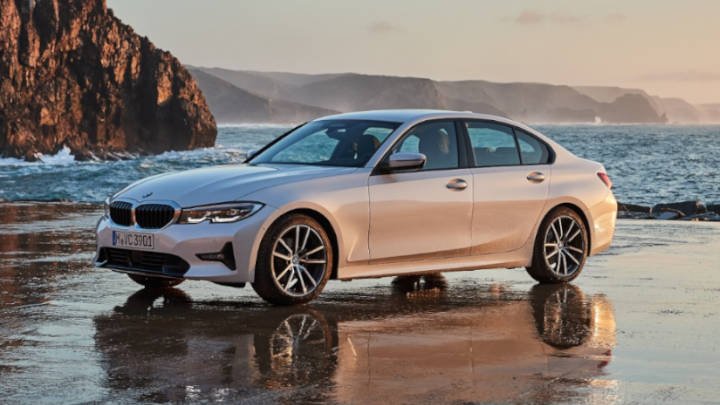

Buying a BMW is a dream for many drivers. The smooth handling, premium interior, powerful engines, and timeless styling make the brand one of the most respected names in the automotive world. However, not everyone wants to pay the high price of a brand-new model. That’s where bmw used cars become an attractive option.
A well-maintained pre-owned BMW can deliver the same luxury driving experience at a much lower cost. Still, buying any used luxury vehicle requires careful planning. Some models are incredibly reliable, while others may come with expensive maintenance if they haven’t been cared for properly.
This guide will walk you through everything you need to know before purchasing bmw used cars. From choosing the right model and checking vehicle history to understanding maintenance costs and negotiating the best deal, you’ll have the confidence to make a smart buying decision.
Why BMW Used Cars Are Worth Considering
BMW has built its reputation on engineering excellence, driving performance, and premium comfort. One of the biggest advantages of buying bmw used cars is that luxury becomes much more affordable after depreciation.
Many BMW models lose a significant portion of their value within the first five years. While that’s disappointing for the original owner, it’s great news for used car buyers.
Some key benefits include:
- Lower purchase price
- Premium features for less money
- Better value compared to buying new
- Slower depreciation after purchase
- Wider selection of trims and models
- Lower insurance costs in many cases
If you choose carefully, bmw used cars can provide years of enjoyable driving without paying luxury-car prices.
Why BMW Vehicles Depreciate Quickly
Luxury vehicles often experience faster depreciation than economy cars.
Several reasons explain this trend:
- High original purchase prices
- Constant release of newer technology
- Expensive dealership maintenance
- Buyers preferring factory warranties
Fortunately, depreciation works in favor of second-hand buyers.
For example, a BMW that originally cost $60,000 may sell for less than half that amount after several years while still offering premium performance.
Best BMW Used Cars to Buy
Not every BMW ages the same way. Some models have excellent reliability records, while others require more attention.
BMW 3 Series
The 3 Series is often considered the safest choice for buyers entering the BMW family.
Advantages include:
- Excellent fuel economy
- Comfortable ride
- Strong resale value
- Easy availability of replacement parts
- Wide variety of engine options
The 330i and 328i remain especially popular in the used market.
BMW 5 Series
If you want extra comfort without moving into full-size luxury, the 5 Series offers an excellent balance.
Highlights include:
- Spacious cabin
- Advanced safety features
- Smooth highway driving
- Powerful engine choices
- Premium interior quality
BMW X3
SUV demand continues to grow, making the BMW X3 one of the best bmw used cars available.
Benefits include:
- Practical cargo space
- All-wheel drive availability
- Comfortable seating
- Strong reliability in newer generations
- Great family vehicle
BMW X5
The X5 combines luxury with SUV practicality.
It offers:
- Strong towing capability
- Spacious interior
- Excellent road presence
- Advanced infotainment system
- High safety ratings
BMW 2 Series
Drivers wanting a smaller sporty coupe often choose the 2 Series.
It delivers:
- Fun handling
- Efficient turbocharged engines
- Compact size
- Lower maintenance than larger BMW models
BMW Models That Require Extra Research
Some BMW models have experienced recurring mechanical issues.
These include:
| Model | Potential Concerns |
|---|---|
| BMW 7 Series | High repair costs |
| BMW X6 | Expensive suspension repairs |
| Older BMW N63 V8 models | Oil consumption |
| Early turbocharged engines | Timing chain issues |
| High-mileage diesel models | Emissions system maintenance |
This doesn’t mean you should avoid them entirely. Instead, ensure they have complete service records and a thorough inspection.
What Mileage Is Good for BMW Used Cars?
Mileage matters, but maintenance matters even more.
Here’s a general guideline:
| Mileage | Buying Recommendation |
| Under 30,000 | Excellent |
| 30,000–60,000 | Very Good |
| 60,000–90,000 | Good with service history |
| 90,000–120,000 | Inspect carefully |
| Over 120,000 | Only if exceptionally maintained |
A BMW with 100,000 miles and complete maintenance records is often a better purchase than one with 50,000 miles and poor servicing.
Essential Checks Before Buying
Never purchase bmw used cars without performing a detailed inspection.
Exterior Inspection
Look for:
- Rust
- Uneven paint
- Panel gaps
- Accident damage
- Windshield cracks
- Tire wear
Uneven tire wear may indicate suspension or alignment issues.
Interior Inspection
Check:
- Leather seat condition
- Dashboard warning lights
- Air conditioning
- Heated seats
- Infotainment system
- Navigation
- Power windows
- Sunroof
- Steering wheel controls
Luxury electronics can be expensive to repair.
Engine Inspection
Open the hood and inspect:
- Oil leaks
- Coolant leaks
- Belts
- Battery condition
- Fluid levels
- Unusual engine noises
Cold starts often reveal hidden problems.
Test Drive Checklist
A proper test drive should include:
- City driving
- Highway driving
- Braking
- Tight turns
- Reverse parking
- Acceleration
Watch for:
- Steering vibration
- Brake pulsation
- Transmission hesitation
- Engine warning lights
- Suspension noises
Why Vehicle History Reports Matter
A vehicle history report provides valuable information before buying.
Look for:
- Accident history
- Title status
- Previous ownership
- Service history
- Flood damage
- Odometer consistency
- Recall information
A clean history greatly reduces buying risks.
Certified Pre-Owned vs Regular Used BMW
Many buyers wonder whether Certified Pre-Owned (CPO) vehicles are worth the extra cost.
Certified Pre-Owned Advantages
- Manufacturer inspection
- Extended warranty
- Roadside assistance
- Verified mileage
- Better financing options
Regular Used Cars Advantages
- Lower purchase price
- Larger inventory
- Better negotiation opportunities
- Wider model selection
If your budget allows, Certified Pre-Owned models provide extra peace of mind.
Common BMW Maintenance Costs
Owning bmw used cars usually costs more than owning economy vehicles.
Typical maintenance includes:
- Oil changes
- Brake pads
- Brake rotors
- Spark plugs
- Coolant replacement
- Transmission service
- Suspension components
- Battery replacement
Using quality OEM or genuine parts helps maintain long-term reliability.
Should You Buy from a Dealer or Private Seller?
Each option has benefits.
Buying from a Dealer
Pros:
- Financing available
- Warranty options
- Trade-in opportunities
- Professional inspections
Cons:
- Higher prices
- Dealer fees
Buying from a Private Seller
Pros:
- Lower prices
- Direct ownership history
- Easier negotiation
Cons:
- No warranty
- Greater buying risk
Choose whichever option fits your budget and comfort level.
Financing BMW Used Cars
Many banks and lenders provide financing for bmw used cars.
Before applying:
- Check your credit score
- Compare interest rates
- Calculate monthly payments
- Factor insurance costs
- Include maintenance expenses
Avoid stretching your budget simply because you qualify for a larger loan.
Understanding Ownership Costs
The purchase price is only part of the total ownership experience.
Budget for:
- Fuel
- Insurance
- Registration
- Tires
- Scheduled servicing
- Unexpected repairs
- Extended warranty if desired
Planning ahead prevents financial surprises later.
Best Years to Buy
Although every generation differs, these model years are often recommended because of improved reliability and updated technology.
- BMW 330i (2019–2022)
- BMW X3 (2019–2023)
- BMW X5 (2020–2023)
- BMW 530i (2018–2022)
- BMW M240i (2020–2023)
Research the exact engine and trim before making a final decision.
Tips for Negotiating the Best Price
Negotiation doesn’t have to be uncomfortable.
Use these strategies:
- Research current market value
- Compare multiple listings
- Mention upcoming maintenance needs
- Stay polite
- Be willing to walk away
- Avoid emotional decisions
Patience often saves thousands of dollars.
Mistakes Buyers Often Make
Even experienced buyers sometimes overlook important details.
Avoid these common mistakes:
- Buying without an inspection
- Ignoring maintenance history
- Focusing only on appearance
- Skipping the test drive
- Forgetting insurance quotes
- Underestimating repair costs
- Purchasing based solely on price
The cheapest BMW isn’t always the best value.
How to Keep Your Used BMW Reliable
Proper care makes a huge difference.
Follow these habits:
- Change engine oil on schedule
- Replace filters regularly
- Use premium fuel if recommended
- Address warning lights immediately
- Keep tires properly inflated
- Follow factory maintenance intervals
- Wash the vehicle regularly to prevent corrosion
Preventive maintenance almost always costs less than major repairs.
Who Should Buy BMW Used Cars?
BMW used cars are an excellent choice for drivers who appreciate quality engineering and enjoyable performance.
They are especially suitable for:
- Young professionals
- Families wanting luxury SUVs
- Driving enthusiasts
- Daily commuters
- First-time luxury car buyers
- Business owners
- Long-distance travelers
As long as you budget for maintenance and buy carefully, ownership can be rewarding.
Final Thoughts
Buying bmw used cars is one of the smartest ways to enjoy premium German engineering without paying the premium price of a new vehicle. While luxury ownership comes with additional responsibilities, careful research and regular maintenance can make your investment worthwhile.