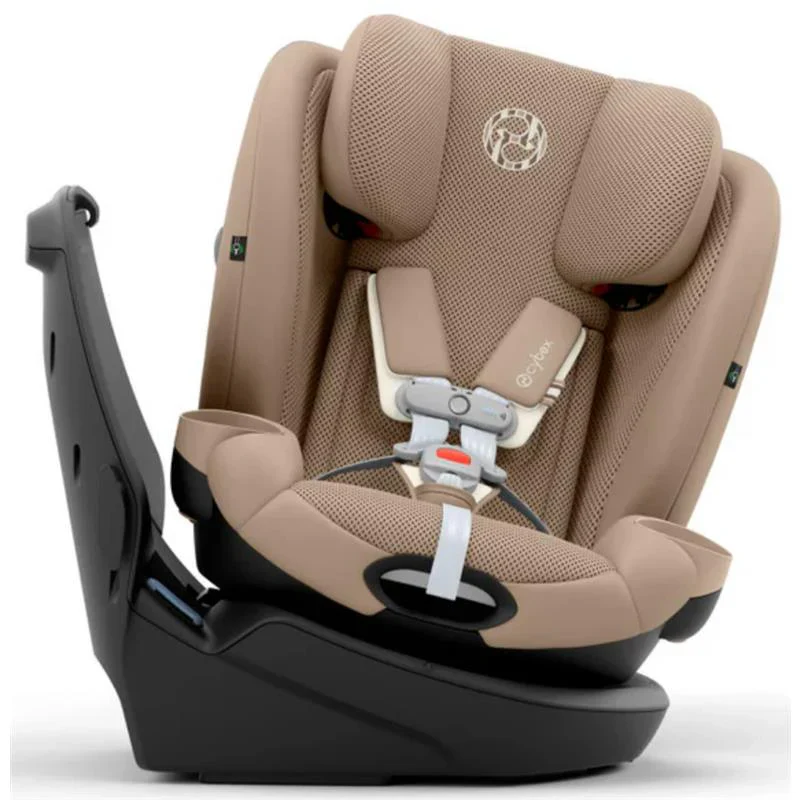

Buying a car seat isn’t something most parents do on impulse. It’s one of those purchases that can keep you awake at night because the stakes feel incredibly high. You want something safe, comfortable, practical, and worth every penny. Then you discover the world of the 360 car seat, and suddenly your options seem endless.
At first glance, every rotating car seat appears similar. They all promise easier access, better safety, and long-term value. However, once you start comparing them, you’ll notice major differences in build quality, rotation mechanisms, installation systems, comfort features, and age suitability.
If you’re planning to buy a 360 car seat in 2026, this guide will help you understand exactly what matters before spending your money. Instead of focusing on flashy marketing claims, we’ll look at the features that genuinely improve everyday life while keeping your child as safe as possible.
Why 360 Car Seats Have Become So Popular
Traditional car seats have protected children for decades, but they often require parents to lean awkwardly into the vehicle. Lifting a sleeping toddler into a rear-facing seat can quickly become exhausting, especially after months of daily use.
A 360 car seat solves this problem by allowing the seat to rotate toward the vehicle door. Instead of twisting your back, you simply turn the seat, buckle your child comfortably, and rotate it back into the correct travel position.
This simple improvement makes a surprising difference during everyday routines.
Parents especially appreciate rotating seats because they offer:
- Easier access when lifting babies
- Less strain on the back and shoulders
- Faster buckling and unbuckling
- Better positioning for newborns
- Convenient switching between rear-facing and forward-facing modes
- Greater comfort during daily use
Although convenience is a major selling point, safety remains the biggest reason many families choose this type of child restraint.
What Is a 360 Car Seat?
A 360 car seat is a rotating child safety seat designed to swivel on its base. Unlike conventional models, it can rotate toward the vehicle door, making it easier to place or remove your child.
Many models support several stages of growth, including:
| Stage | Typical Age | Position |
|---|---|---|
| Infant | Birth–15 months | Rear-facing |
| Toddler | 15 months–4 years | Rear-facing or forward-facing (depending on regulations) |
| Young Child | Up to 12 years (model dependent) | Forward-facing or booster mode |
Some premium models grow with your child for nearly a decade, making them a smart long-term investment.
Why Safety Should Always Come First
Parents naturally compare colors, fabrics, and prices first. Yet none of those factors matter if the seat doesn’t provide excellent protection during a collision.
Modern 360 car seat designs undergo extensive crash testing before reaching the market. Still, different models perform differently depending on their engineering and certification.
When comparing options, pay attention to:
Side Impact Protection
Side collisions can be particularly dangerous because there is less space between the child and the point of impact.
Look for features such as:
- Energy-absorbing foam
- Reinforced shell construction
- Deep protective side wings
- Adjustable headrest support
- Multiple impact protection layers
Rear-Facing Capability
Experts consistently recommend keeping children rear-facing for as long as possible.
Rear-facing travel distributes crash forces more evenly across the child’s:
- Head
- Neck
- Spine
- Back
This greatly reduces the chance of serious injury during frontal impacts.
A quality rotating seat should make extended rear-facing travel simple instead of inconvenient.
Five-Point Harness
Most premium seats include a five-point safety harness that secures:
- Both shoulders
- Both hips
- Between the legs
This design keeps your child properly positioned while distributing crash forces across stronger parts of the body.
Understanding ISOFIX Installation
Installation mistakes remain one of the biggest safety concerns among parents.
Fortunately, many modern rotating seats use the ISOFIX system, which minimizes incorrect installation.
ISOFIX connects directly to built-in anchor points inside the vehicle.
Benefits include:
- Faster installation
- Reduced movement
- Better stability
- Visual installation indicators
- Lower chance of user error
Some seats also include a support leg or top tether for additional stability.
Before purchasing, confirm that your vehicle supports ISOFIX.
Comfort Matters More Than You Think
Children spend hundreds of hours inside their car seats every year.
A seat that’s uncomfortable can quickly lead to unhappy journeys, frequent adjustments, and restless travel.
Look for comfort features like:
Adjustable Recline Positions
A reclining seat helps children nap comfortably during longer trips.
Multiple recline settings also improve posture for infants whose neck muscles are still developing.
Breathable Fabrics
Summer travel can become uncomfortable if the seat traps heat.
High-quality fabrics improve airflow while helping reduce sweating.
Parents often prefer:
- Mesh panels
- Moisture-wicking materials
- Ventilated padding
- Soft removable covers
Adjustable Headrest
Children grow surprisingly quickly.
A multi-position headrest allows the seat to adapt without compromising safety.
Many models adjust both the harness and headrest simultaneously, saving time while ensuring the correct fit.
Rotating Mechanisms: Not All Are Equal
The rotation system is the defining feature of a 360 car seat, yet manufacturers approach it differently.
Some seats rotate smoothly using one hand.
Others require two hands or extra force.
Before buying, consider:
- Does it rotate a full 360 degrees?
- Can it stop at multiple positions?
- Is rotation smooth?
- Can it rotate while reclined?
- Does it lock securely?
Testing the rotation mechanism in person, if possible, gives you a much better idea of everyday usability.
Choosing the Right Size for Your Child
One of the most common mistakes parents make is focusing only on age recommendations.
Instead, compare:
- Height limits
- Weight limits
- Shoulder room
- Leg room
- Harness adjustment range
- Headrest height
Some compact seats fit newborns perfectly but become restrictive for taller toddlers.
Conversely, larger all-stage seats offer better longevity but may require more vehicle space.
Finding the right balance depends on your child’s current size and expected growth.
Vehicle Compatibility Is Essential
A fantastic seat isn’t useful if it doesn’t fit your car properly.
Before purchasing, measure your available space.
Think about:
- Rear-seat width
- Front-seat clearance
- Door opening angle
- Roof height
- ISOFIX anchor location
- Leg support space
Compact cars sometimes require slimmer designs, while larger SUVs generally accommodate almost any rotating seat.
If you regularly carry three passengers across the back seat, width becomes especially important.
Everyday Features Worth Paying For
Some premium features seem unnecessary until you’ve used them.
Parents frequently appreciate extras like:
- Magnetic harness holders
- Machine-washable covers
- Quick-release buckles
- Cup holders
- Storage compartments
- Anti-slip shoulder pads
- Easy-clean fabrics
- Sun canopy for newborns
- Memory foam inserts
- Infant support cushions
While none of these directly improve crash protection, they can significantly improve day-to-day convenience.
Should You Buy an All-in-One 360 Car Seat?
An all-in-one model combines multiple stages into one product.
Instead of replacing the seat every few years, it grows with your child.
Advantages include:
- Better long-term value
- Fewer future purchases
- Consistent installation
- Familiar design for your child
- Lower overall ownership cost
However, these seats tend to be:
- Heavier
- Larger
- More expensive initially
Families who frequently switch seats between vehicles may prefer a lighter model despite the shorter lifespan.