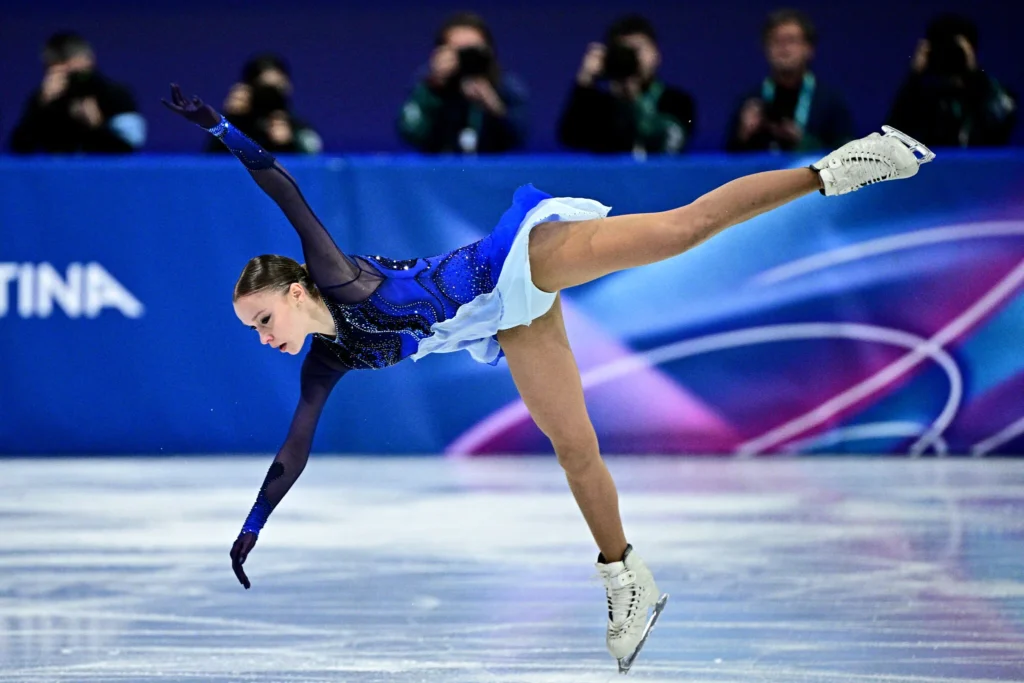

The spotlight of winter sports always seems to sharpen when the Olympics come around, and the 2026 winter olympics women single skating free skating event is already building anticipation among fans, analysts, and athletes alike. There’s something undeniably magnetic about the combination of artistry, athleticism, and pressure that defines women’s figure skating at the Olympic level.
Whether you’re a long-time figure skating enthusiast or someone tuning in for the first time, this guide walks you through everything you need to know about the upcoming competition. From scoring systems and technical elements to potential medal contenders and performance expectations, we’ll break it all down in a way that actually makes sense.
Why the 2026 Winter Olympics Free Skating Event Matters
The free skating segment is often where champions are made or heartbreak unfolds. Unlike the short program, which is more structured and technically restricted, the free skate allows skaters to fully express their creativity while attempting higher difficulty elements.
In the 2026 winter olympics women single skating free skating, skaters will have one chance to deliver a performance that blends jumps, spins, step sequences, and choreography into a four-minute masterpiece.
What makes this event especially exciting is how close the competition has become in recent years. A single under-rotated jump or a slight stumble can completely change the standings.
Understanding Women Single Skating at the Olympics
What is Women Single Skating?
Women single skating is a discipline of figure skating where individual female athletes perform choreographed routines on ice. These routines include technical jumps and artistic movements.
In the 2026 winter olympics women single skating free skating, athletes compete in two segments:
- Short Program
- Free Skating
The combined score determines the final ranking.
How the Free Skating Score Works
To understand the drama behind the 2026 winter olympics women single skating free skating, you need to understand the scoring system.
Technical Element Score (TES)
This includes:
- Triple axel attempts
- Quad jumps (increasingly important)
- Spin combinations
- Step sequences
- Jump combinations
Program Component Score (PCS)
This evaluates artistry:
- Skating skills
- Transitions
- Performance quality
- Choreography interpretation
- Musical timing
Judges combine TES and PCS, then apply deductions if needed.
Key Elements That Decide the Gold Medal
The 2026 winter olympics women single skating free skating event will likely be decided by a few critical factors:
Quad Jumps
Quad jumps have become a game-changer. Athletes attempting clean quadruple toe loops or salchows gain a massive advantage.
Consistency Under Pressure
Olympic pressure is unlike any other competition. Even the most technically gifted skaters can falter.
Artistic Expression
A routine that connects emotionally with judges often scores higher in PCS.
Stamina and Endurance
Free skating is physically demanding, especially after the short program.
Top Contenders to Watch in 2026
While the final roster is still evolving, several rising stars and established champions are expected to shape the 2026 winter olympics women single skating free skating podium battle.
Technical Powerhouses
These skaters are known for:
- Quad jumps
- High base value programs
- Aggressive technical layouts
Artistic Specialists
These athletes focus on:
- Musical interpretation
- Fluid transitions
- Emotional storytelling
Balanced All-Rounders
They combine both:
- Clean jumps
- Strong PCS scores
- Reliable consistency
The Evolution of Women’s Figure Skating
Over the last decade, women’s skating has transformed dramatically. The 2026 winter olympics women single skating free skating event reflects this evolution clearly.
Earlier eras focused more on artistry. Now, athletes are expected to combine technical difficulty with expressive performance.
This shift has created a fascinating balance:
- More triple-triple combinations
- Introduction of quadruple jumps
- Faster skating speed
- More complex choreography
Training Behind the Scenes
What audiences see in the 2026 winter olympics women single skating free skating is just the final result of years of preparation.
Daily Training Routine Often Includes:
- On-ice jump drills
- Off-ice conditioning
- Ballet and dance training
- Mental coaching sessions
- Spin repetition practice
Athletes often train 4–6 hours daily, refining even the smallest details.
Common Elements in Free Skating Programs
Here’s what you’ll typically see during the 2026 winter olympics women single skating free skating performances:
Jumps
- Lutz
- Flip
- Loop
- Salchow
- Toe loop
- Axel variations
Spins
- Layback spin
- Camel spin
- Combination spin
Step Sequences
- Circular steps
- Straight-line steps
- Intricate edge work
Table: Key Comparison of Skating Elements
| Element Type | Difficulty | Scoring Impact | Risk Level |
|---|---|---|---|
| Quad Jumps | Very High | Very High | High |
| Triple Axels | High | High | Medium |
| Spins | Medium | Medium | Low |
| Step Sequences | Medium | Medium | Low |
| Choreography | Variable | High (PCS) | Low |
What Makes the 2026 Event Special?
The 2026 winter olympics women single skating free skating event stands out for several reasons:
- More technically advanced athletes than ever before
- Increased global competition
- Younger skaters entering elite levels
- Higher scoring averages expected
- Greater focus on storytelling
This combination ensures unpredictability, which fans absolutely love.
Psychological Pressure at the Olympics
One of the most overlooked aspects of the 2026 winter olympics women single skating free skating competition is mental strength.
Skaters often face:
- Intense global media attention
- Pressure from national expectations
- High-stakes judging environments
- Emotional exhaustion from previous events
Mental resilience often separates gold medalists from the rest.
Choreography Trends for 2026
Modern skating programs are becoming more cinematic. In the 2026 winter olympics women single skating free skating, expect to see:
- Film-inspired routines
- Contemporary music selections
- Minimalist costume design
- Strong narrative storytelling
- Fusion of classical and modern dance styles
Choreographers are focusing heavily on emotional engagement rather than just technical difficulty.
Common Mistakes That Can Cost Medals
Even top skaters can struggle in the 2026 winter olympics women single skating free skating event due to:
- Under-rotated jumps
- Falls on landing
- Poor edge quality
- Timing issues with music
- Fatigue in final minutes of performance
A single mistake can lead to major point deductions.
Fan Expectations and Global Attention
Fans around the world are already discussing potential outcomes of the 2026 winter olympics women single skating free skating event. Social media buzz, prediction forums, and expert analysis are increasing daily.
Many expect:
- Tight scoring margins
- Surprise breakout performances
- Emotional podium moments
- Possible record-breaking routines
The Future of Women’s Free Skating
Looking beyond 2026, the 2026 winter olympics women single skating free skating event may set the tone for future competitions.
We might see:
- More quad jumps becoming standard
- Increased technical difficulty requirements
- Smarter pacing strategies
- Greater emphasis on injury prevention
Conclusion
The excitement surrounding the 2026 winter olympics women single skating free skating event continues to grow as fans anticipate one of the most competitive and emotionally charged skating events in Olympic history. With evolving technical demands, rising athletic standards, and increasingly artistic performances, this competition promises unforgettable moments on ice.
Ultimately, success will come down to a blend of precision, creativity, and mental toughness. Whether you’re rooting for a favorite skater or simply enjoying the spectacle, the 2026 winter olympics women single skating free skating event is set to deliver drama, beauty, and world-class athletic performance.