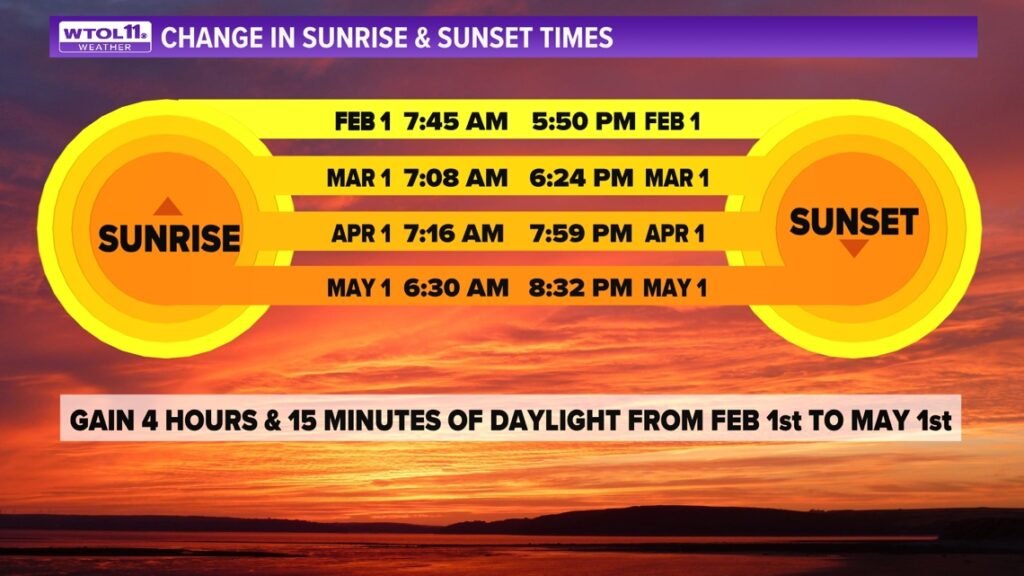

Sunset has a strange kind of magic to it. One moment the sky is bright and full of energy, and the next, it slowly melts into shades of orange, pink, and deep purple. It’s one of those daily events we all experience, yet rarely pause to understand fully. And that brings us to a simple but surprisingly deep question: what time is sunset?
At first glance, it feels like a straightforward question. But once you start looking into it, you realize there’s a lot more going on. The answer changes depending on where you are, what time of year it is, and even the local geography around you.
Understanding What Time Is Sunset
To understand what time is sunset, we first need to define it properly. Sunset is the exact moment when the upper edge of the sun disappears below the horizon. It is not when it suddenly becomes dark; rather, it is the transition point between daylight and twilight.
Many people confuse sunset with dusk or nightfall, but they are not the same:
- Sunset – The sun disappears below the horizon
- Civil twilight – Soft light remains in the sky
- Dusk – The sky becomes noticeably darker
- Night – Full darkness sets in
So when you ask what time is sunset, you are referring to a very precise astronomical moment.
Interestingly, the exact timing of sunset varies every single day. This is due to the Earth’s rotation and its tilt on its axis, which continuously changes how sunlight reaches different parts of the planet.
Why “What Time Is Sunset” Changes Daily
One of the most confusing things for people is that what time is sunset is never fixed. It shifts slightly every day.
Here’s why:
- Earth’s axial tilt (23.5 degrees)
- Seasonal changes (summer and winter)
- Latitude (distance from the equator)
- Longitude differences
- Atmospheric conditions
- Time zones
For example, in summer, days are longer, so sunset happens later. In winter, days are shorter, so sunset comes earlier.
If you live near the equator, you might notice that what time is sunset barely changes throughout the year. But if you live farther north or south, the difference can be dramatic.
Factors That Affect What Time Is Sunset
To truly understand what time is sunset, we need to look at the key influencing factors.
1. Geographic Location
Your position on Earth plays a huge role. Cities closer to the poles experience extreme variations, while equatorial regions remain stable.
2. Season of the Year
- Summer = later sunsets
- Winter = earlier sunsets
- Spring/Autumn = balanced timing
3. Time Zone Differences
Even if two cities have the same sunset moment astronomically, clock time will differ due to time zones.
4. Elevation and Terrain
Mountains, valleys, and buildings can slightly change when the sun appears to “set” visually.
5. Atmospheric Conditions
Dust, clouds, pollution, and humidity can make sunset appear earlier or later visually, even though the actual time remains the same.
How to Find What Time Is Sunset Locally
If you’re wondering what time is sunset in your area, there are several simple methods you can use.
Use Weather Apps
Most smartphone weather apps automatically display:
- Sunrise time
- Sunset time
- Day length
- Twilight duration
Search Engines
Typing “what time is sunset today” gives instant local results based on your location.
Astronomy Websites
These provide highly accurate sunset calculations using:
- Latitude
- Longitude
- Solar position data
Built-in Phone Features
Modern smartphones often show sunset timing in:
- Weather widgets
- Clock apps
- Calendar tools
So no matter where you are, finding what time is sunset is easier than ever.
Seasonal Changes in What Time Is Sunset
The most noticeable variation in what time is sunset happens across seasons.
Summer Sunset Timing
- Later sunsets
- Longer daylight hours
- Warmer evenings
- Slow fading light
Winter Sunset Timing
- Earlier sunsets
- Short daylight span
- Faster transition to darkness
- Cooler evenings
Spring and Autumn Balance
- Moderate sunset times
- Gentle lighting transitions
- Balanced day and night length
If you track what time is sunset throughout the year, you’ll notice a natural rhythm that repeats annually.
Why Knowing What Time Is Sunset Matters
You might wonder why anyone even cares about what time is sunset. But in reality, it’s more important than it seems.
Here’s why it matters:
- Photography planning
- Travel scheduling
- Outdoor sports timing
- Safety during evening travel
- Religious practices
- Farming and agriculture routines
- Romantic or leisure planning
- Energy usage awareness
For photographers, golden hour depends directly on what time is sunset. For travelers, it helps avoid driving in low light. For farmers, it influences daily working hours.
Tools and Methods to Track What Time Is Sunset
Let’s explore practical ways to always stay updated with what time is sunset.
Mobile Apps
Popular tools include:
- Weather tracking apps
- Sun position trackers
- Astronomy apps
- Travel planners
Calendars
Digital calendars often show:
- Sunrise
- Sunset
- Moon phases
Maps and GPS Tools
Some navigation systems include sunset data for travelers.
Interesting Facts About Sunset Timing
Understanding what time is sunset becomes even more fascinating when you look at these facts:
- The sun doesn’t actually “move” — Earth rotates
- Sunset appears earlier at higher altitudes
- Polar regions can have months of no sunset
- Atmospheric refraction can slightly delay sunset visually
- The sun appears flattened at the horizon due to light bending
Conclusion: Understanding What Time Is Sunset in Everyday Life
At the end of the day, what time is sunset is more than just a number on a clock. It’s a natural rhythm that shapes our routines, moods, and environment. Whether you’re planning a photo shoot, heading home from work, or simply enjoying a quiet evening sky, knowing what time is sunset helps you stay connected with nature’s cycle.