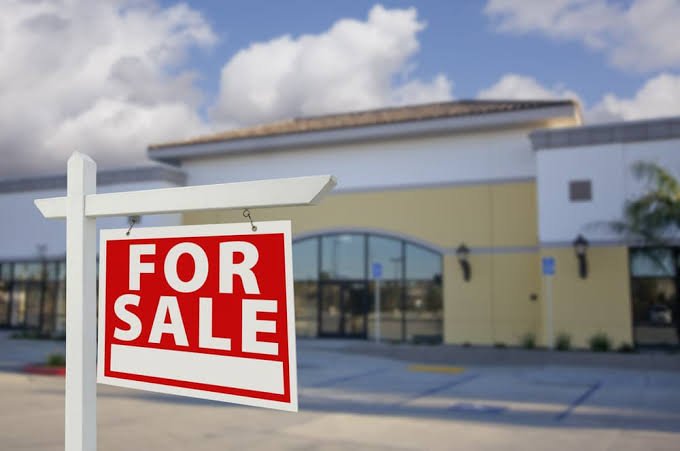

Buying commercial real estate is one of the biggest financial decisions a business owner or investor can make. Unlike purchasing a home, investing in a commercial property for sale requires careful planning, detailed market research, and a clear understanding of long-term business goals. One wrong decision can affect your cash flow, profitability, and future growth. On the other hand, the right property can become a valuable asset that generates steady income for years.
Whether you’re searching for an office building, retail space, warehouse, industrial property, or mixed-use development, knowing what to look for makes all the difference. The commercial real estate market offers countless opportunities, but not every listing is worth your investment.
In this guide, you’ll discover ten practical tips that experienced investors use to identify the best commercial property for sale. These insights will help you avoid costly mistakes, negotiate confidently, and maximize your return on investment.
Why Choosing the Right Commercial Property Matters
Commercial real estate isn’t just about buying land or buildings. It’s about purchasing an income-producing asset that supports your financial goals.
A carefully selected property can offer:
- Consistent rental income
- Long-term capital appreciation
- Business expansion opportunities
- Tax advantages
- Portfolio diversification
- Strong resale value
However, buying the wrong property may lead to unexpected maintenance costs, long vacancies, legal issues, and lower-than-expected returns. That’s why understanding the fundamentals before making an offer is essential.
1. Define Your Investment Goals First
Before browsing every commercial property for sale, ask yourself one important question:
What do you want this investment to achieve?
Different investors have different objectives.
Some common goals include:
- Rental income
- Long-term appreciation
- Business operations
- Property development
- Flipping for profit
- Passive investment
- Portfolio diversification
Your objectives will determine the type of property that best suits your needs.
For example, someone seeking stable monthly cash flow may prefer a fully leased office building, while a developer might focus on vacant commercial land with future growth potential.
2. Choose the Right Location
The old saying “location, location, location” remains true in commercial real estate.
Even the most attractive building can struggle if it’s in the wrong area.
When evaluating a commercial property for sale, consider:
Accessibility
Can customers and employees reach the property easily?
Visibility
Retail businesses often benefit from high-traffic locations.
Nearby Amenities
Look for nearby:
- Banks
- Restaurants
- Public transportation
- Hospitals
- Shopping centers
- Schools
- Hotels
Future Development
Research infrastructure projects, new highways, business districts, and urban development plans.
Areas experiencing economic growth often deliver stronger property appreciation.
3. Understand the Local Market
Never buy a commercial property based solely on appearance.
Study the local market carefully.
Consider factors such as:
| Market Factor | Why It Matters |
|---|---|
| Vacancy rates | Indicates rental demand |
| Rental prices | Determines income potential |
| Property appreciation | Measures future value |
| Population growth | Supports business demand |
| Employment trends | Drives commercial activity |
| Business expansion | Signals economic strength |
| Supply and demand | Affects pricing |
A healthy commercial market usually features increasing rental demand, low vacancy rates, and strong economic activity.
The more market knowledge you have, the smarter your investment decisions become.
4. Analyze the Property’s Income Potential
One of the biggest mistakes buyers make is focusing only on purchase price.
Instead, evaluate how much income the property can generate.
Important financial metrics include:
Gross Rental Income
The total annual rent collected.
Net Operating Income (NOI)
Income after operating expenses.
Capitalization Rate (Cap Rate)
Helps compare different investment opportunities.
Cash Flow
Money remaining after expenses and loan payments.
Return on Investment (ROI)
Measures overall profitability.
A profitable commercial property for sale should provide positive cash flow while offering room for future appreciation.
5. Inspect the Property Thoroughly
Never rely only on photographs or marketing materials.
Arrange a professional property inspection.
Inspect:
- Roof condition
- HVAC systems
- Electrical wiring
- Plumbing
- Structural integrity
- Parking areas
- Fire safety systems
- Elevators
- Windows
- Drainage
- Foundation
Hidden repair costs can quickly reduce your investment returns.
Professional inspections provide valuable negotiation leverage if repairs are needed.
6. Review Zoning and Legal Regulations
A beautiful property isn’t useful if local regulations prevent your intended business use.
Before purchasing any commercial property for sale, verify:
Zoning Laws
Ensure the property permits your intended business activity.
Building Codes
Confirm compliance with local regulations.
Environmental Restrictions
Look for contamination issues or environmental liabilities.
Easements
Determine whether neighboring properties have legal access rights.
Property Taxes
Understand annual tax obligations.
Permits
Verify existing licenses and occupancy permits.
Ignoring legal due diligence can result in expensive surprises after closing.
7. Calculate Every Cost Involved
The purchase price is only one part of your total investment.
Many first-time buyers underestimate ongoing expenses.
Common costs include:
- Property taxes
- Insurance
- Maintenance
- Repairs
- Utility bills
- Security
- Property management fees
- Landscaping
- Renovation costs
- Legal fees
- Closing costs
- Mortgage payments
- Inspection fees
- Appraisal costs
Prepare a realistic budget before purchasing any commercial property for sale.
Unexpected expenses can quickly impact profitability.
8. Evaluate Tenant Quality and Lease Agreements
If the property already has tenants, review every lease carefully.
Strong tenants can provide stable income for years.
Consider:
Lease Length
Long-term leases reduce vacancy risk.
Tenant History
Reliable tenants improve investment stability.
Rent Escalation Clauses
Annual rent increases protect against inflation.
Occupancy Rate
Higher occupancy usually means better cash flow.
Tenant Mix
For retail properties, a balanced tenant mix attracts more visitors.
Quality tenants often matter just as much as the building itself.
9. Work with Experienced Professionals
Commercial real estate transactions involve multiple legal and financial complexities.
Build a trusted team including:
- Commercial real estate agent
- Property inspector
- Real estate attorney
- Accountant
- Mortgage broker
- Surveyor
- Financial advisor
Experienced professionals help identify risks that inexperienced buyers often overlook.
Their guidance can save thousands of dollars throughout the buying process.
10. Think Long-Term Instead of Short-Term
The best investors rarely chase quick profits.
Instead, they focus on properties with long-term growth potential.
Ask yourself:
- Will this area continue growing?
- Can rental income increase?
- Is redevelopment possible?
- Will nearby infrastructure improve value?
- Does the property fit future market trends?
A quality commercial property for sale should continue creating value for many years rather than offering only short-term gains.
Common Mistakes Buyers Should Avoid
Even experienced investors occasionally make mistakes.
Avoid these common pitfalls:
- Skipping property inspections
- Ignoring local market research
- Overpaying during competitive bidding
- Underestimating operating expenses
- Buying without financing approval
- Ignoring zoning restrictions
- Failing to review lease agreements
- Rushing negotiations
- Overlooking maintenance needs
- Investing based on emotions instead of numbers
Avoiding these errors greatly improves your chances of making a successful investment.
Questions You Should Ask Before Buying
Before signing any agreement, ask the seller or agent these questions:
- Why is the property being sold?
- How long has it been on the market?
- Are there any structural issues?
- What are the annual maintenance costs?
- Are there any pending legal disputes?
- What is the occupancy rate?
- Are tenants renewing their leases?
- What improvements have been completed recently?
- What are the local development plans?
- Are there environmental concerns?
The answers can reveal valuable insights that influence your decision.
Key Features of a Great Commercial Property
The best commercial property for sale often shares several characteristics:
- Prime business location
- Strong rental demand
- Modern infrastructure
- Flexible floor plans
- Excellent accessibility
- Adequate parking
- Energy-efficient systems
- High occupancy
- Low maintenance requirements
- Expansion potential
- Positive cash flow
- Competitive pricing
These qualities improve both current income and future appreciation.
Commercial Property Types Worth Considering
Commercial real estate includes several investment categories.
Office Buildings
Ideal for professional businesses and corporate tenants.
Retail Spaces
Excellent for shops, restaurants, and service providers.
Industrial Properties
Suitable for manufacturing, logistics, and warehousing.
Warehouses
Growing demand due to e-commerce and distribution networks.
Mixed-Use Developments
Combine residential and commercial spaces for diversified income.
Commercial Land
Offers development opportunities in expanding markets.
Each property type has unique benefits, risks, and income potential.
Essential Checklist Before Making an Offer
Use this quick checklist before purchasing any commercial property for sale:
- Define investment goals
- Research the neighborhood
- Compare similar properties
- Inspect the building
- Verify zoning compliance
- Analyze financial performance
- Review leases
- Calculate operating expenses
- Secure financing
- Consult professionals
- Negotiate the purchase price
- Review legal documents
- Plan future improvements
- Estimate resale potential
Following this checklist reduces investment risk and helps ensure a smarter purchase.
Final Thoughts
Finding the right commercial property for sale requires more than simply browsing listings and comparing prices. Successful investors combine careful research, financial analysis, market knowledge, and patience before making their final decision.
Every property tells a story. Some promise steady rental income, while others offer exciting redevelopment opportunities or long-term appreciation. The key is identifying which opportunity aligns with your investment goals and financial strategy.
By defining your objectives, researching the local market, inspecting every detail, understanding legal requirements, evaluating tenant quality, and planning for future growth, you’ll place yourself in a much stronger position to make a profitable investment.