
A roof does far more than keep the rain out. For any business, it protects inventory, employees, equipment, customers, and daily operations. Yet, commercial roofing is often overlooked until a leak appears or severe weather causes unexpected damage. By then, repairs can be expensive, business interruptions become unavoidable, and long-term structural problems may already be developing.
Whether you’re buying a new commercial property, replacing an aging roof, or planning preventive maintenance, understanding commercial roofing helps you make smarter decisions. A quality roofing system is an investment rather than just another building expense. It improves energy efficiency, reduces maintenance costs, increases property value, and gives business owners peace of mind.
This complete guide explains everything you need to know about commercial roofing—from common roofing materials and installation methods to maintenance, repair costs, inspections, warranties, and choosing the right contractor. If you’re responsible for a commercial building, this guide will help you protect one of your property’s most valuable assets.
What Is Commercial Roofing?
Commercial roofing refers to roofing systems specifically designed for commercial buildings instead of residential homes. These structures often have flat roofs or low-slope roofs that require specialized materials and installation techniques.
Unlike residential roofing, commercial roofing systems must support HVAC units, ventilation systems, solar panels, drainage equipment, and regular maintenance traffic.
Common commercial properties include:
- Office buildings
- Warehouses
- Manufacturing facilities
- Shopping centers
- Hotels
- Schools
- Hospitals
- Retail stores
- Restaurants
- Apartment complexes
- Industrial buildings
Because every building has different requirements, selecting the right commercial roofing system depends on climate, budget, building design, energy goals, and expected lifespan.
Why Commercial Roofing Matters
Many business owners underestimate how much influence a roof has on daily operations.
A professionally installed commercial roofing system offers several important benefits:
- Protects employees and customers
- Prevents costly water damage
- Improves insulation
- Reduces energy bills
- Extends building lifespan
- Increases property value
- Enhances curb appeal
- Supports sustainable building practices
- Meets local building codes
- Reduces emergency repair costs
A neglected roof can lead to mold growth, damaged insulation, structural deterioration, interior leaks, and expensive downtime.
Types of Commercial Roofing Systems
Choosing the right commercial roofing system starts with understanding your available options.
Built-Up Roofing (BUR)
Built-up roofing has been used for decades and remains popular for flat roofs.
It consists of multiple layers of asphalt, bitumen, and reinforcing fabrics.
Advantages include:
- Excellent waterproofing
- Long lifespan
- Strong durability
- Good UV protection
Potential drawbacks include:
- Heavy weight
- Longer installation time
- Higher labor costs
Modified Bitumen Roofing
Modified bitumen improves traditional asphalt roofing by adding rubber or plastic polymers.
Benefits include:
- Flexibility
- Easy repairs
- Strong weather resistance
- Affordable maintenance
It performs particularly well in regions with changing temperatures.
EPDM Roofing
EPDM roofing is a synthetic rubber roofing membrane known for its affordability and durability.
Advantages:
- Long service life
- Excellent weather resistance
- UV protection
- Low maintenance
- Cost-effective installation
Many warehouses and office buildings rely on EPDM roofing because of its proven performance.
TPO Roofing
TPO roofing has become one of the fastest-growing commercial roofing options.
Its reflective white membrane helps reduce cooling costs by reflecting sunlight.
Benefits include:
- Energy efficiency
- Heat resistance
- Lightweight design
- Affordable pricing
- Strong seam performance
Businesses looking to improve sustainability often choose TPO roofing.
PVC Roofing
PVC roofing offers exceptional chemical resistance and waterproofing.
It works especially well for:
- Restaurants
- Manufacturing plants
- Commercial kitchens
- Chemical facilities
PVC membranes also resist grease, oils, and fire better than many alternatives.
Metal Roofing
Metal roofing remains one of the longest-lasting commercial roofing choices available.
Popular materials include:
- Steel
- Aluminum
- Copper
- Zinc
Advantages include:
- Lifespan exceeding 40 years
- Fire resistance
- Low maintenance
- Excellent durability
- Modern appearance
Although the upfront investment is higher, long-term savings often outweigh the initial cost.
Green Roofing Systems
Green roofs continue gaining popularity among environmentally conscious businesses.
These systems incorporate vegetation over waterproof roofing membranes.
Benefits include:
- Better insulation
- Stormwater management
- Improved air quality
- Reduced urban heat
- Attractive appearance
While installation costs are higher, green roofing can significantly improve environmental performance.
Factors to Consider Before Choosing Commercial Roofing
Every commercial property has unique requirements.
Consider the following factors before selecting a roofing system.
Climate
Areas with heavy snowfall require different roofing solutions than regions experiencing intense heat or hurricanes.
Weather conditions influence:
- Material selection
- Drainage design
- Waterproofing methods
- Wind resistance
Budget
Commercial roofing projects vary widely in price.
Your budget should include:
- Installation
- Materials
- Maintenance
- Repairs
- Warranty coverage
- Future replacement costs
Choosing the cheapest option often results in higher lifetime expenses.
Building Design
Roof slope affects the ideal roofing system.
Flat roofs generally use membrane roofing, while sloped commercial buildings may benefit from metal roofing or architectural roofing materials.
Energy Efficiency
Energy-efficient commercial roofing reduces heating and cooling costs.
Look for:
- Cool roofing systems
- Reflective coatings
- Proper insulation
- Energy Star-rated materials
Lower utility bills can offset installation costs over time.
The Commercial Roofing Installation Process
Understanding the installation process helps business owners prepare for construction.
Typical steps include:
- Roof inspection
- Structural evaluation
- Material selection
- Permit approval
- Removal of old roofing
- Deck repair
- Insulation installation
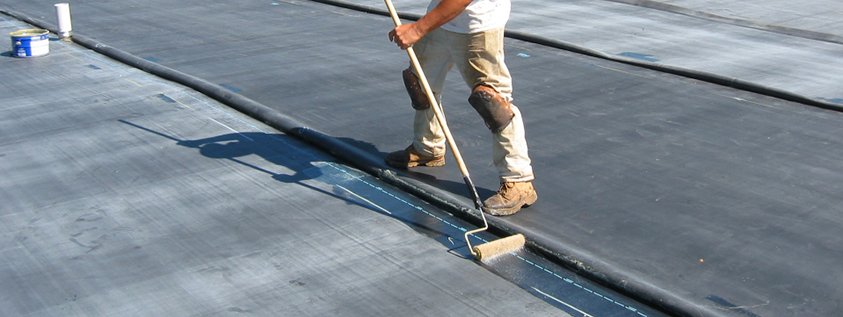
- Waterproof membrane application
- Flashing installation
- Drainage inspection
- Final quality inspection
Experienced roofing contractors minimize disruption to daily business operations during installation.
Commercial Roofing Maintenance
Routine maintenance is the secret to extending roof life.
Preventive maintenance identifies small issues before they become major repairs.
A typical maintenance checklist includes:
- Cleaning roof drains
- Removing debris
- Checking flashing
- Inspecting roof seams
- Examining rooftop equipment
- Looking for standing water
- Inspecting skylights
- Checking sealants
- Monitoring membrane condition
- Inspecting gutters
Many manufacturers require documented maintenance to keep warranties valid.
Common Commercial Roofing Problems
Even high-quality commercial roofing systems develop issues over time.
Common problems include:
Ponding Water
Standing water increases structural stress and accelerates membrane deterioration.
Roof Leaks
Leaks often result from damaged flashing, punctures, poor installation, or aging materials.
Early detection prevents interior damage.
Membrane Shrinkage
Older roofing membranes may shrink, creating cracks and separated seams.
Wind Damage
Strong storms can loosen roofing materials and expose underlying layers.
Regular inspections after severe weather are essential.
UV Damage
Continuous sunlight gradually weakens roofing materials.
Reflective coatings help reduce UV deterioration.
Poor Drainage
Blocked drains increase water accumulation and shorten roof lifespan.
Professional cleaning should be part of annual maintenance.
Commercial Roofing Repair vs. Replacement
One of the biggest questions business owners face is whether to repair or replace a roof.
Repairs make sense when:
- Damage is localized
- Roof age is relatively young
- Membranes remain structurally sound
- Costs are manageable
Replacement becomes the better investment when:
- Frequent leaks occur
- Structural damage exists
- Repairs become repetitive
- Roof exceeds expected lifespan
- Energy efficiency declines significantly
A professional roof inspection provides the most accurate recommendation.
Commercial Roofing Costs
Several variables affect commercial roofing costs.
| Cost Factor | Impact |
|---|---|
| Roofing material | High |
| Roof size | High |
| Roof accessibility | Medium |
| Labor costs | High |
| Insulation | Medium |
| Drainage upgrades | Medium |
| Roof removal | High |
| Warranty | Medium |
| Geographic location | Medium |
Rather than focusing solely on installation price, evaluate long-term ownership costs over the roof’s entire lifespan.
How to Choose the Right Commercial Roofing Contractor
Hiring the right contractor is just as important as choosing quality materials.
Look for companies that offer:
- Proper licensing
- Insurance coverage
- Manufacturer certifications
- Strong customer reviews
- Detailed written estimates
- Warranty options
- Safety compliance
- Commercial project experience
Ask for examples of completed projects similar to your building.
A trustworthy contractor explains every recommendation instead of pushing unnecessary upgrades.
Signs Your Commercial Roof Needs Immediate Attention
Don’t ignore these warning signs:
- Interior ceiling stains
- Mold growth
- Rising energy bills
- Sagging roof areas
- Missing flashing
- Standing water
- Cracked membranes
- Visible punctures
- Water dripping indoors
- Loose roofing materials
Addressing these problems early can prevent expensive structural repairs.
The Importance of Roof Inspections
Professional roof inspections should occur at least twice each year.
Additional inspections are recommended after:
- Hailstorms
- Hurricanes
- Heavy snowfall
- High winds
- Falling tree branches
Inspection reports help identify hidden issues before they become emergencies.
Many insurance providers also require documented inspections after major storms.
Understanding Commercial Roofing Warranties
Not all warranties provide the same protection.
Common warranty types include:
Manufacturer Warranty
Covers defects in roofing materials.
Workmanship Warranty
Protects against installation errors.
System Warranty
Provides broader coverage for the entire roofing system.
Always read warranty terms carefully to understand exclusions and maintenance requirements.
Sustainable Trends in Commercial Roofing
Modern commercial roofing continues evolving with sustainability in mind.
Popular innovations include:
- Solar-ready roofing
- Reflective roof coatings
- Recyclable roofing materials
- Green roofs
- Advanced insulation
- Smart leak detection
- Drone roof inspections
- Infrared moisture scanning
These technologies improve energy performance while reducing maintenance expenses.
Final Thoughts
Commercial roofing is much more than a protective covering for your building. It safeguards your employees, equipment, inventory, customers, and long-term investment. Choosing the right commercial roofing system requires careful planning, quality materials, experienced installation, and regular maintenance. While every building has unique needs, the most successful property owners focus on durability, energy efficiency, preventive care, and long-term value rather than simply choosing the lowest price.