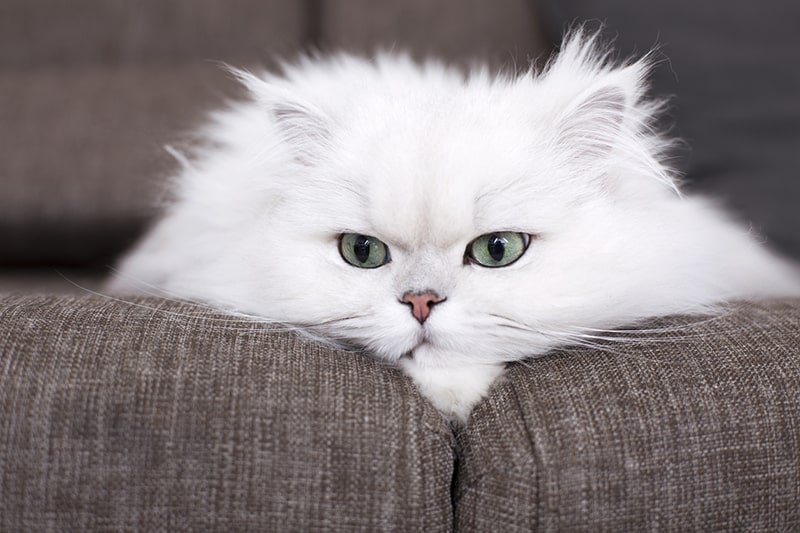

There is something unforgettable about the first time you see a persian cat. Maybe it’s the luxurious coat, the calm expression, or those large, round eyes that seem to tell a story without making a sound. Unlike energetic breeds that race around the house, Persian cats carry themselves with quiet confidence. They enjoy comfort, routine, and peaceful surroundings, making them one of the world’s most loved companion cats.
However, bringing home a Persian isn’t simply about choosing a beautiful pet. Behind that stunning appearance comes a unique set of responsibilities. Their long fur requires regular grooming, their flat faces need extra attention, and their relaxed personalities thrive best in stable indoor environments.
If you’re a first-time cat owner, don’t let those responsibilities scare you away. With the right knowledge and a little consistency, caring for a Persian becomes both enjoyable and rewarding. This guide covers everything you need to know—from personality and grooming to nutrition, health, and everyday care—so you can confidently welcome your new feline companion into your family.
Why the Persian Cat Is One of the Most Popular Breeds
The persian cat has remained one of the most admired cat breeds for generations. While trends come and go, Persians continue to win hearts because they combine elegance with a remarkably gentle temperament.
Unlike highly active breeds that demand constant entertainment, Persian cats appreciate a slower lifestyle. They enjoy relaxing beside their owners, sleeping in sunny windows, and quietly observing the world around them.
Some reasons people love Persian cats include:
- Beautiful long, silky coat
- Gentle and affectionate personality
- Quiet nature
- Excellent indoor companion
- Adaptable to apartment living
- Great with calm families
- Loyal and loving
- Low tendency to climb curtains or furniture
- Predictable daily routine
- Elegant appearance
Their peaceful nature makes them an excellent choice for people who prefer a relaxed household.
Understanding the Persian Cat’s Personality
Calm and Loving
One of the biggest reasons people choose a persian cat is its personality.
Persians aren’t demanding. Instead of following you everywhere, they’ll quietly stay nearby, enjoying your company without constantly asking for attention.
They often develop strong bonds with their owners and enjoy sitting beside them while reading, watching television, or working from home.
Not an Extremely Playful Breed
Persian cats certainly enjoy toys, but don’t expect marathon play sessions.
They usually prefer:
- Feather wands
- Soft plush toys
- Slow-moving balls
- Puzzle feeders
- Interactive laser sessions for a few minutes
After a short burst of activity, they’re usually ready for another comfortable nap.
Good with Families
A Persian cat generally fits well into calm households.
They usually do well with:
- Older children
- Seniors
- Couples
- Singles
- Quiet multi-pet homes
Very noisy environments or rough handling can make them anxious, so gentle interaction is always best.
Preparing Your Home
Before bringing your new companion home, gather the essentials.
| Essential Item | Why It Matters |
|---|---|
| Litter box | Daily bathroom needs |
| Cat litter | Keeps the box clean |
| Food bowls | Separate food and water |
| Water fountain | Encourages hydration |
| Comfortable cat bed | Safe sleeping area |
| Cat carrier | Vet visits and travel |
| Grooming brush | Prevents mats |
| Nail clippers | Healthy claws |
| Scratching post | Protects furniture |
| Interactive toys | Mental stimulation |
Creating a quiet room for the first few days also helps your cat settle into its new surroundings.
Feeding Your Persian Cat
Choosing the Right Food
Nutrition plays a major role in keeping a persian cat healthy.
Because Persian cats are generally less active, overfeeding can quickly lead to weight gain.
Look for food that includes:
- High-quality animal protein
- Healthy fats
- Taurine
- Omega-3 fatty acids
- Omega-6 fatty acids
- Vitamins
- Minerals
- Digestible carbohydrates
Many owners choose breed-specific formulas, although any premium-quality cat food can work if it meets nutritional standards.
Wet Food vs Dry Food
Both options have advantages.
Wet Food
Benefits include:
- Higher moisture
- Easier chewing
- Better hydration
- Supports urinary health
Dry Food
Advantages include:
- Convenient storage
- Longer shelf life
- Can support dental cleaning
- Easy portion control
Many veterinarians recommend feeding a combination of both.
Fresh Water Is Essential
Persian cats sometimes don’t drink enough water naturally.
Encourage hydration by providing:
- Water fountains
- Multiple bowls
- Fresh water daily
- Wide ceramic bowls
- Quiet drinking areas
Hydration supports kidney health and urinary function.
Grooming: The Biggest Commitment
Daily Brushing
The famous coat of a persian cat requires dedication.
Without regular brushing, knots and painful mats can develop quickly.
Daily brushing helps:
- Remove loose hair
- Prevent tangles
- Reduce shedding
- Improve circulation
- Keep the coat shiny
A metal comb works particularly well for reaching the thick undercoat.
Bathing
Unlike many cat breeds, Persian cats often benefit from occasional baths.
A bath every four to eight weeks helps remove excess oils and keeps their long coat looking fresh.
Always use a shampoo designed specifically for cats.
Eye Cleaning
One unique feature of many Persian cats is their flat face.
This adorable look often causes excessive tear staining.
Use:
- Soft cotton pads
- Warm water
- Pet-safe eye wipes
Cleaning the eyes every day helps prevent staining and irritation.
Nail Care
Trim nails every two to four weeks.
Long nails may:
- Catch in carpets
- Cause discomfort
- Damage furniture
- Increase injury risk
If you’re nervous, ask your veterinarian or groomer to demonstrate proper trimming techniques.
Shedding: What to Expect
Many first-time owners worry about shedding.
The truth is that Persian cats do shed quite a bit, especially during seasonal coat changes.
To reduce loose fur:
- Brush daily
- Feed quality nutrition
- Maintain hydration
- Vacuum regularly
- Use grooming gloves
- Remove loose hair before it falls around the home
Consistent grooming makes a noticeable difference.
Exercise and Mental Stimulation
Although Persian cats are relaxed, they still need daily activity.
Simple activities include:
- Chasing feather toys
- Climbing low cat trees
- Window watching
- Food puzzles
- Treat games
- Gentle play sessions
Just fifteen to twenty minutes of play each day helps prevent boredom and supports a healthy weight.
Litter Box Tips
Persian cats are naturally clean animals.
To encourage good litter habits:
- Scoop daily
- Replace litter regularly
- Use unscented litter if possible
- Keep the box away from food
- Provide one extra litter box in multi-cat homes
Cleanliness encourages consistent use.
Common Health Concerns
Like many purebred cats, Persian cats have some inherited health risks.
Potential concerns include:
- Polycystic kidney disease (PKD)
- Breathing difficulties
- Eye discharge
- Dental disease
- Obesity
- Hairballs
- Skin infections
- Heart disease
- Urinary tract problems
Regular veterinary checkups can identify many of these issues early, improving long-term health and quality of life.
Hairballs and Digestion
Because Persian cats groom themselves frequently, they often swallow loose fur.
This can lead to hairballs.
You can reduce hairballs by:
- Brushing daily
- Feeding hairball-control food
- Offering plenty of water
- Using veterinarian-approved hairball remedies when needed
Prevention is much easier than treating recurring digestive problems.
Creating the Perfect Indoor Environment
Persian cats thrive indoors where they are protected from traffic, parasites, extreme weather, and infectious diseases.
Make your home cat-friendly by providing:
- Cozy sleeping spaces
- Quiet hiding spots
- Scratching posts
- Soft blankets
- Window perches
- Climbing shelves with gentle heights
- Regular playtime
- Stable routines
A comfortable environment helps reduce stress and supports emotional well-being.