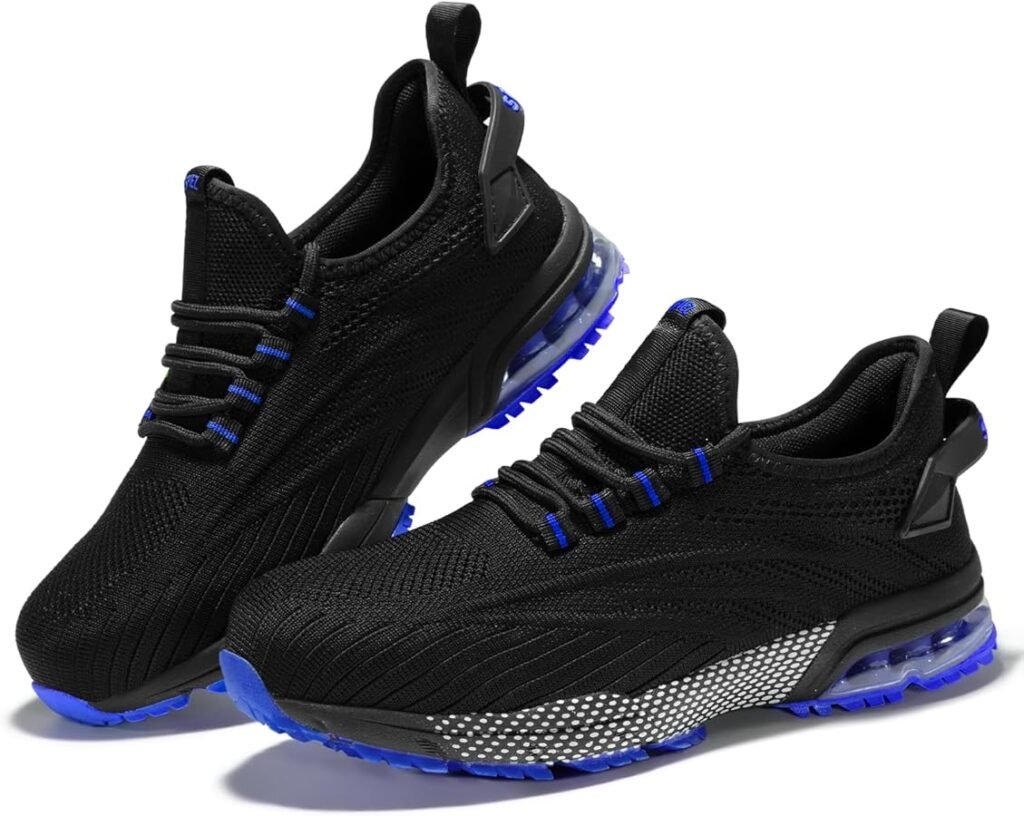

Why Everyone Is Talking About Composite Toe Shoes
Workplace safety isn’t something you think about only after an accident happens. It’s something you feel in every step you take on the job. Whether you’re on a construction site, in a warehouse, or working in electrical maintenance, your footwear matters more than most people realize.
That’s where composite toe shoes quietly change the game. They don’t look bulky like old-school safety boots, yet they still deliver serious protection. In fact, many workers now prefer composite toe shoes over traditional steel options because they feel lighter, more flexible, and far more comfortable during long shifts.
But are they really worth it? And how do they compare with other safety footwear options? Let’s break it all down in a simple, practical way.
What Are Composite Toe Shoes?
Composite toe shoes are safety footwear designed with non-metal materials in the toe cap area. Instead of steel, they use materials like carbon fiber, Kevlar, fiberglass, or plastic blends.
This design makes composite toe shoes lightweight yet strong enough to protect feet from impact and compression hazards in the workplace.
Unlike traditional safety boots, they are also non-conductive, which makes them ideal for electricians and workers around live circuits.
Key Materials Used:
- Carbon fiber
- Fiberglass
- Kevlar layers
- Plastic composites
- Resin-based compounds
These materials allow composite toe shoes to maintain durability while reducing weight and improving comfort.
Why Choose Composite Toe Shoes?
There’s a reason more industries are switching to composite toe shoes every year. They solve many common complaints workers have about heavy boots.
Main Benefits:
- Lightweight design reduces fatigue
- Non-metal construction for electrical safety
- Better temperature resistance (hot and cold environments)
- Comfortable for long shifts
- Airport-friendly (no metal detection issues)
- Flexible movement compared to steel toe footwear
Many workers say once they switch to composite toe shoes, going back to steel feels almost outdated.
In addition, composite toe shoes are often designed with modern cushioning systems, breathable mesh, slip resistance, and shock absorption.
Composite Toe Shoes vs Steel Toe Shoes
One of the most common debates in workplace footwear is composite vs steel. Here’s a clear comparison:
| Feature | Composite Toe Shoes | Steel Toe Shoes |
|---|---|---|
| Weight | Lightweight | Heavier |
| Electrical Safety | Non-conductive | Conductive |
| Temperature Comfort | Better insulation | Can feel cold/hot |
| Metal Detection | Passes easily | Detected |
| Flexibility | High | Lower |
| Impact Protection | Strong | Strong |
While both are protective, composite toe shoes stand out in comfort and versatility.
Key Features to Look for in Composite Toe Shoes
Not all safety shoes are created equal. When choosing composite toe shoes, look for features that improve both safety and comfort.
Important Features:
- Slip-resistant outsole
- Shock-absorbing midsole
- Breathable lining
- Oil-resistant grip
- Electrical hazard protection
- Waterproof or water-resistant build
- Puncture-resistant sole
Additional Comfort Enhancers:
- Memory foam insoles
- Arch support
- Lightweight EVA midsoles
- Moisture-wicking fabric
- Anti-fatigue design
These features ensure composite toe shoes are not just protective but also wearable for long hours.
Industries That Rely on Composite Toe Shoes
Many industries depend on composite toe shoes for daily safety. They are not limited to construction anymore.
Common Work Environments:
- Construction sites
- Warehouses and logistics centers
- Electrical maintenance work
- Oil and gas industry
- Manufacturing plants
- Aviation ground staff
- Transportation and delivery services
- Engineering workshops
In each of these environments, composite toe shoes reduce injury risks while improving productivity.
Comfort and Fit Tips for Composite Toe Shoes
Even the best composite toe shoes won’t help if they don’t fit properly. Comfort plays a huge role in workplace performance.
Fit Tips:
- Always try shoes in the afternoon (feet swell during the day)
- Wear work socks while testing fit
- Ensure toe space is not tight
- Walk around to test flexibility
- Check heel grip for stability
Comfort Advice:
- Break in your composite toe shoes before long shifts
- Replace insoles every few months
- Choose breathable designs for hot climates
- Use moisture control socks to avoid odor
A well-fitted pair of composite toe shoes can make a long workday feel significantly easier.
Safety Standards You Should Know
Before buying composite toe shoes, it’s important to understand safety certifications.
Common Standards:
- ASTM F2413 (Impact and compression resistance)
- EN ISO 20345 (European safety footwear standard)
- Electrical hazard protection ratings
- Slip resistance testing
- Puncture resistance certification
These standards ensure that composite toe shoes actually meet workplace safety requirements.
Maintenance Tips for Composite Toe Shoes
Taking care of your composite toe shoes extends their life and performance.
Simple Maintenance Routine:
- Clean after every use
- Remove dirt with a soft brush
- Air dry naturally (avoid heat drying)
- Store in a dry place
- Use waterproof spray if needed
- Replace worn-out soles or insoles
Proper care ensures your composite toe shoes stay reliable for longer periods.
Common Mistakes to Avoid
Many users damage or reduce the effectiveness of composite toe shoes without realizing it.
Mistakes Include:
- Buying wrong size
- Ignoring safety certifications
- Using casual shoes instead of work-specific designs
- Not replacing worn-out shoes
- Overexposing to water or chemicals
- Skipping break-in period
Avoiding these mistakes will help your composite toe shoes last longer and perform better.
Conclusion: Are Composite Toe Shoes Worth It?
When it comes to workplace safety, comfort, and long-term usability, composite toe shoes offer a strong balance that traditional safety footwear often struggles to match.
They are lightweight, non-metallic, and designed for modern work environments where both protection and comfort matter equally.
If you work in demanding conditions, investing in quality composite toe shoes is not just a smart choice—it’s a practical one. They reduce fatigue, improve mobility, and provide reliable protection without the heavy feel of older safety boots.
In the end, the right footwear can change how your entire workday feels. And for many professionals today, composite toe shoes are that upgrade.