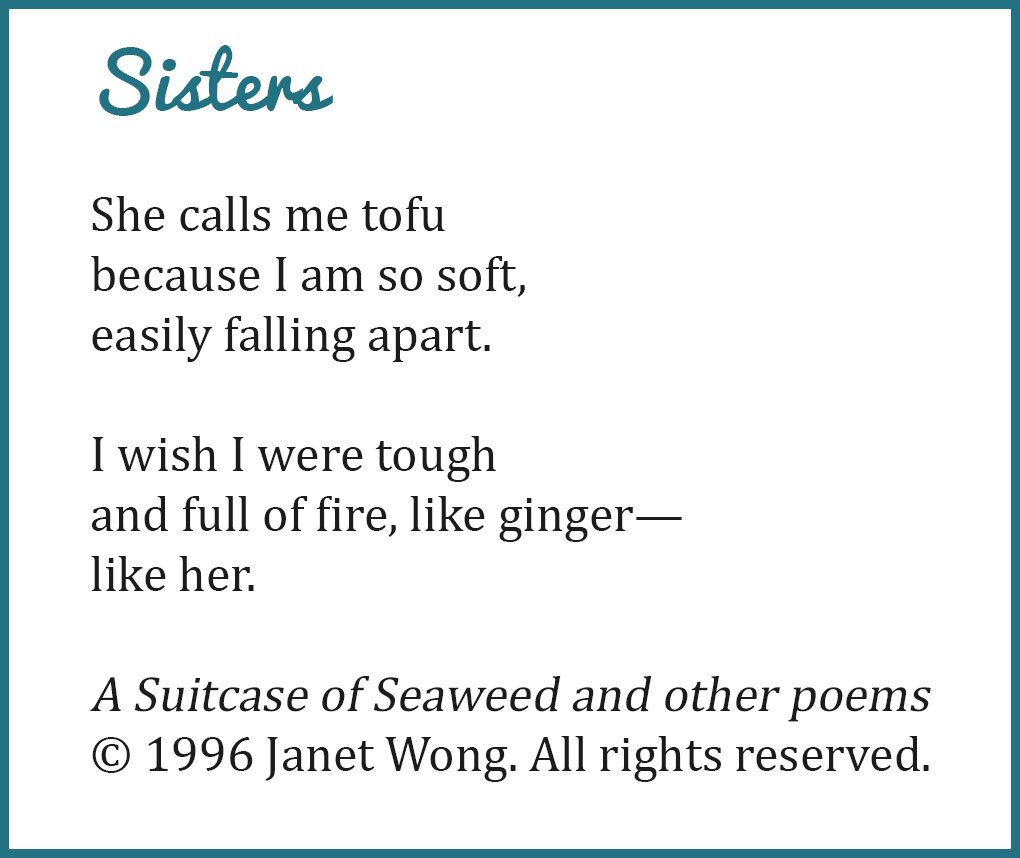

Writing poetry is often seen as something mysterious, almost like a talent you either have or you don’t. But when it comes to a free verse poem, the rules change completely. There is no strict rhyme scheme, no rigid meter, and no pressure to fit words into a perfect pattern. Instead, it’s about voice, emotion, and flow.
And that’s exactly why so many modern writers are drawn to the free verse poem style. It feels natural, flexible, and deeply personal. If you’ve ever wanted to write poetry but felt restricted by traditional forms, this guide will help you break free and find your rhythm.
In this article, you’ll learn how to write a free verse poem, understand its structure, explore techniques, and discover how to make your writing stand out—even in a competitive digital world where poetry also meets SEO.
What Is a Free Verse Poem?
A free verse poem is a type of poetry that does not follow a fixed rhyme scheme or metrical pattern. Instead, it relies on natural speech rhythms, imagery, and emotional expression.
Unlike traditional poetry, where syllables and rhymes are carefully structured, a free verse poem allows the writer to shape lines based on meaning and feeling.
Some key characteristics include:
- No fixed rhyme pattern
- No strict syllable count
- Natural line breaks
- Focus on imagery and emotion
- Flexible structure
In simple terms, a free verse poem is like speaking your thoughts in a more artistic and intentional way.
Why Choose a Free Verse Poem Style?
There are many reasons why writers prefer the free verse poem format. It gives you freedom, but also responsibility—you shape your own structure.
Here are some benefits:
- You can express raw emotions without restriction
- It allows creative storytelling
- It fits modern writing styles
- It is easier for beginners to start with
- It encourages unique voice development
Many contemporary poets believe the free verse poem is the closest form to natural human thought. It doesn’t force you into patterns—it lets ideas breathe.
Key Elements of a Free Verse Poem
Even though a free verse poem has no strict rules, it still relies on important poetic elements.
Imagery
Strong visual descriptions help readers “see” your words.
Rhythm
Not musical rhythm, but natural speech flow.
Line Breaks
Where you choose to break lines affects meaning and emotion.
Tone
The emotional feeling behind your writing.
Voice
Your personal style and perspective.
A well-written free verse poem balances all these elements without feeling forced.
Free Verse Poem vs Traditional Poetry
Here’s a simple comparison:
| Feature | Free Verse Poem | Traditional Poetry |
|---|---|---|
| Rhyme | Not required | Often required |
| Meter | Flexible | Fixed |
| Structure | Open | Strict |
| Creativity | High freedom | Rule-based |
| Writing style | Natural speech | Formal pattern |
This flexibility is why the free verse poem has become so popular in modern literature, blogging, and creative writing.
How to Write a Free Verse Poem (Step-by-Step Guide)
Writing a free verse poem is not about rules, but it still helps to follow a process.
Step 1: Choose a Theme
Start with a subject that matters to you:
- Love
- Loss
- Nature
- Identity
- Memory
- Dreams
A strong free verse poem always begins with emotional clarity.
Step 2: Observe and Feel
Before writing, observe your thoughts. Ask yourself:
- What am I feeling right now?
- What image comes to mind?
- What story do I want to tell?
A free verse poem works best when it comes from honest reflection.
Step 3: Write Without Filtering
Start writing freely. Don’t worry about grammar or structure at first. Just let ideas flow.
This stage of writing a free verse poem is about expression, not perfection.
Step 4: Add Line Breaks Intentionally
Line breaks are powerful in a free verse poem. They control rhythm and emphasis.
For example:
I walked alone
through empty streets
where silence
felt heavier than sound
Step 5: Use Imagery and Sensory Details
A strong free verse poem appeals to the senses:
- Sight
- Sound
- Touch
- Smell
- Taste
Instead of saying “I was sad,” show it through images.
Step 6: Edit for Flow
Read your free verse poem aloud. If something feels off, adjust it. Remove unnecessary words. Strengthen weak lines.
Techniques to Improve Your Free Verse Poem
Here are advanced techniques to elevate your writing:
Enjambment
Let a sentence flow into the next line without pause.
Repetition
Repeat key words for emotional impact.
Metaphor and Simile
Compare emotions with vivid imagery.
Contrast
Show difference between light and dark, hope and fear.
Symbolism
Use objects or images to represent deeper meaning.
A strong free verse poem often blends several of these techniques naturally.
Common Mistakes in Writing Free Verse Poems
Even though a free verse poem is flexible, beginners often struggle with:
- Writing without structure or direction
- Overloading with unnecessary words
- Lack of imagery
- Weak emotional connection
- Random line breaks without purpose
Avoiding these mistakes will make your free verse poem more impactful and readable.
SEO Tips for Writing About Free Verse Poems
If you are a blogger or content writer, the free verse poem niche can be surprisingly powerful for SEO. Poetry content attracts niche audiences and long-tail search traffic.
Here are useful SEO writing tips:
- Use the keyword free verse poem naturally in headings and paragraphs
- Include related semantic terms like poetry writing, modern poetry, creative writing, poetic expression, poetic form, lyrical writing, and verse structure
- Write long-form content (1500+ words) for ranking potential
- Add internal structure with H2 and H3 headings
- Use conversational tone for higher engagement
A well-optimized article about a free verse poem can rank well if it provides value and depth.
Conclusion
Learning how to write a free verse poem is less about mastering rules and more about trusting your voice. It’s about letting go of structure and embracing expression.
When you write a free verse poem, you are not just creating text—you are shaping emotion, memory, and imagination into something meaningful.
Whether you are a beginner or an experienced writer, the beauty of a free verse poem lies in its freedom. And that freedom is exactly what makes it timeless.