
Why This Comparison Actually Matters
Choosing the right payment system can quietly shape the success of a business. Whether you’re running a small café, a retail shop, or a growing service-based business, your checkout experience directly affects customer satisfaction, speed of service, and even long-term profits.
In recent years, the square terminal has become a popular alternative to bulky, traditional point-of-sale setups. It promises simplicity, mobility, and all-in-one functionality. But does it really replace a full traditional POS system, or is it just a lighter option for small businesses?
That’s exactly what we’re going to explore in this detailed comparison. By the end, you’ll have a clear idea of whether the square terminal fits your business needs or if a traditional POS system still makes more sense.
What is a Square Terminal?
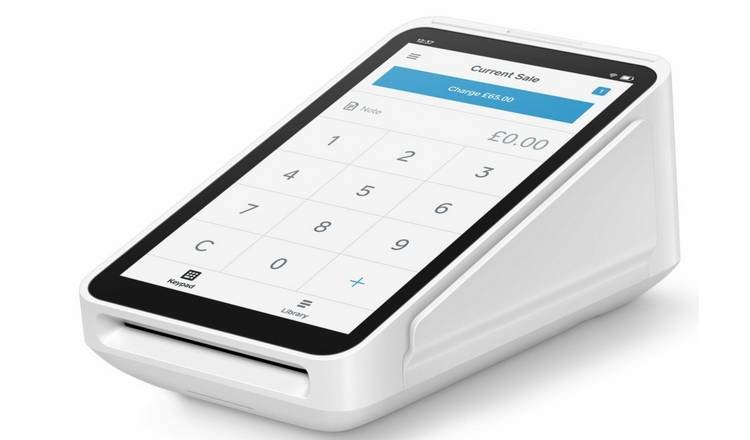
The square terminal is a compact, all-in-one payment device designed for modern businesses that want simplicity without sacrificing functionality. It handles card payments, contactless payments, receipts, and even basic POS operations without needing a full cash register setup.
Unlike older systems, the square terminal works as a standalone device. It combines a card reader, receipt printer, touchscreen interface, and payment software in one portable machine.
Many small and medium businesses prefer the square terminal because it reduces clutter at the counter and speeds up checkout times. It also integrates with cloud-based tools, making inventory tracking and sales reporting easier.
What is a Traditional POS System?
A traditional POS system is the classic checkout setup seen in retail stores for decades. It usually includes a cash register, barcode scanner, receipt printer, monitor, and payment terminal.
Unlike the square terminal, a traditional POS is often a multi-component system that requires installation, configuration, and sometimes even on-site IT support.
Traditional POS systems are known for their reliability and depth of features. They are commonly used in large retail chains, supermarkets, and restaurants where advanced inventory management, employee tracking, and sales analytics are required.
Square Terminal vs Traditional POS: Key Differences
Understanding the differences between the square terminal and traditional POS systems can help you decide which one fits your business model better.
Here are the most important distinctions:
- Portability vs fixed setup
- Cloud-based simplicity vs complex installation
- Lower upfront cost vs higher initial investment
- Minimal hardware vs multi-device systems
- Easy setup vs technical configuration
- Basic POS features vs advanced enterprise tools
- Mobile payments vs wired terminals
- Small business focus vs enterprise scalability
The square terminal clearly leans toward simplicity and mobility, while traditional POS systems focus on depth and customization.
Features of Square Terminal
The square terminal is packed with features designed for modern business owners who want speed and flexibility.
1. All-in-One Design
The square terminal combines payment processing, receipt printing, and touchscreen controls in one device.
2. Fast Payment Processing
It supports EMV chip cards, NFC contactless payments, and mobile wallets like Apple Pay and Google Pay.
3. Cloud Integration
Sales data from the square terminal automatically syncs with cloud dashboards, making reporting easier.
4. Simple Setup
You can set up a square terminal in minutes without technical expertise.
5. Portable Use
Unlike traditional systems, the square terminal can be moved around easily, perfect for pop-up shops or mobile businesses.
Features of Traditional POS Systems
Traditional POS systems still dominate many large-scale retail environments due to their advanced capabilities.
1. Advanced Inventory Management
Traditional systems track thousands of SKUs with precision.
2. Employee Management Tools
Shift tracking, payroll integration, and performance reports are built-in.
3. Hardware Flexibility
Barcode scanners, multiple monitors, kitchen printers, and cash drawers can all be connected.
4. Deep Analytics
Traditional POS platforms offer detailed sales forecasting and customer behavior analysis.
5. Custom Software Options
Businesses can customize workflows and integrations to match their operations.
Square Terminal vs Traditional POS: Comparison Table
| Feature | Square Terminal | Traditional POS |
|---|---|---|
| Setup Time | Minutes | Hours to days |
| Cost | Low upfront | High upfront |
| Portability | High | Low |
| Features | Moderate | Advanced |
| Maintenance | Minimal | Requires support |
| Internet Dependency | Cloud-based | Hybrid/Local |
| Best For | Small businesses | Large enterprises |
The square terminal stands out for simplicity, while traditional POS systems dominate in complexity and scalability.
Pros and Cons of Square Terminal
Pros
- Easy to use and set up
- Compact and portable
- Affordable pricing
- Ideal for mobile businesses
- Cloud-based reporting
Cons
- Limited advanced features
- Not ideal for large inventories
- Requires stable internet for full functionality
Many users appreciate the square terminal for its ease, especially in fast-paced environments.
Pros and Cons of Traditional POS
Pros
- Highly customizable
- Powerful reporting tools
- Better for large businesses
- Strong offline capabilities
- Advanced integrations
Cons
- Expensive setup
- Requires training
- Bulky hardware
- Maintenance costs
While traditional systems are powerful, they can feel overwhelming for smaller operations compared to the square terminal.
Use Cases: Which One Fits Your Business?
The choice between a square terminal and a traditional POS depends heavily on your business type.
Square Terminal Works Best For:
- Cafés and coffee shops
- Food trucks
- Small retail stores
- Pop-up shops
- Freelancers and service providers
Traditional POS Works Best For:
- Supermarkets
- Large retail chains
- Restaurants with complex orders
- Multi-location businesses
- Enterprises with large inventories
If your business values speed and mobility, the square terminal is often the better choice.
Cost Analysis: Square Terminal vs Traditional POS
Cost is one of the biggest deciding factors.
The square terminal usually comes with:
- Low upfront hardware cost
- Pay-as-you-go transaction fees
- No heavy installation costs
- Free or low-cost software options
Traditional POS systems involve:
- High hardware investment
- Installation and setup fees
- Licensing or subscription costs
- Maintenance contracts
For startups, the square terminal often feels like a more financially flexible option.
User Experience and Learning Curve
One of the biggest advantages of the square terminal is its ease of use. Even someone with no technical background can learn it quickly.
Traditional POS systems, on the other hand, often require training sessions. Staff must learn multiple modules such as inventory tracking, reporting dashboards, and hardware handling.
The square terminal simplifies everything into a touchscreen interface that feels familiar, almost like using a smartphone.
Which One is Better?
There is no universal winner here. The right choice depends on your business scale and goals.
The square terminal is ideal if:
- You want simplicity
- You run a small or mobile business
- You prefer low upfront costs
Traditional POS is better if:
- You need advanced features
- You manage large inventory systems
- You operate multiple locations
Many modern businesses even start with a square terminal and upgrade later as they grow.
Conclusion: Making the Right Choice
At the end of the day, choosing between the square terminal and a traditional POS system comes down to your business size, budget, and operational needs.
The square terminal shines in simplicity, portability, and affordability. It removes complexity and gives small business owners a fast, modern way to accept payments without heavy infrastructure.
Traditional POS systems still hold their ground in large-scale environments where advanced features, deep analytics, and multi-layered operations are essential.