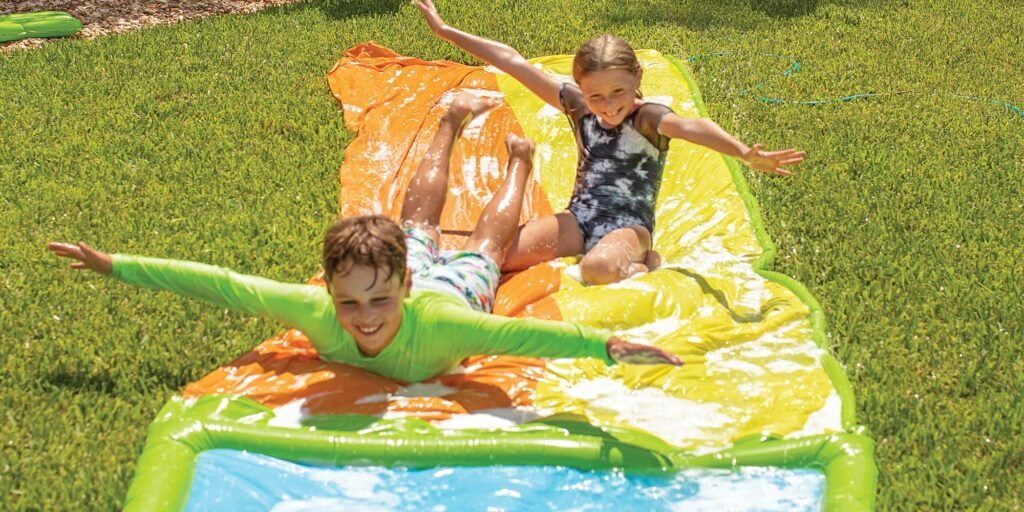

There’s something about summer that brings out the kid in everyone. The heat gets intense, the afternoons feel longer, and suddenly the idea of water games in the backyard sounds better than any vacation plan. That’s where a slip and slide comes in. It’s simple, fun, and surprisingly easy to build if you do it the right way.
But here’s the thing most people miss: a slip and slide is only fun when it’s safe. One wrong setup, and what should be laughter can turn into scratches, bruises, or worse. So if you’re planning to make one at home, you need more than just a plastic sheet and water. You need preparation, awareness, and a bit of common sense.
This guide walks you through everything you need to know to create a safe, exciting, and budget-friendly slip and slide right in your backyard.
What Is a Slip and Slide and Why Everyone Loves It
A slip and slide is basically a long, smooth surface—usually a plastic sheet or vinyl tarp—placed on a gentle slope and made wet so people can slide across it. It’s one of those classic backyard water games that never really gets old.
Kids love it because it feels like a homemade water park. Adults love it because it’s cheap entertainment that actually works. And parents appreciate it when it’s built safely with proper precautions.
A slip and slide can turn an ordinary lawn into a summer attraction, especially during heat waves when outdoor water activities become the best way to cool down.
Planning Before You Build Your Slip and Slide
Before you even touch a garden hose or roll out a tarp, planning is essential. A poorly planned slip and slide can damage your lawn or cause injuries.
Choose the Right Location
Pick a backyard space that is:
- Long and open
- Free from rocks and sticks
- Slightly sloped for natural speed
- Away from fences, walls, or sharp objects
A gentle downhill slope works best for a slip and slide. Too steep, and it becomes dangerous. Too flat, and it won’t be fun.
Check the Ground Surface
Your lawn matters more than you think. Soft grass is ideal because it provides cushioning. Avoid gravel, concrete, or uneven soil. If your yard is patchy, consider laying foam mats or extra padding underneath the slide.
Weather Conditions Matter
A sunny day is perfect, but avoid extremely windy conditions. Wind can lift the plastic sheet and make your slip and slide unstable.
Materials You’ll Need for a Safe Slip and Slide
Building a slip and slide doesn’t require expensive equipment, but using the right materials makes a huge difference in safety and performance.
Here’s what you’ll need:
- Heavy-duty plastic sheet or vinyl tarp
- Garden hose with adjustable nozzle
- Garden sprinkler for even water flow
- Soft ground stakes or anchors
- Baby shampoo or mild soap solution
- Pool noodles for side barriers
- Towels for drying and safety
- Foam mats or inflatable mattress for landing zone
- Measuring tape for proper length setup
Each of these items contributes to a safer and smoother slip and slide experience.
Step-by-Step Guide to Building a Slip and Slide
Now comes the fun part—actually building your slip and slide.
Step 1: Prepare the Ground
Start by clearing the area completely. Remove stones, sticks, and anything that could cause injury. Mow the grass short so the plastic sheet sits evenly.
Step 2: Lay Down the Plastic Sheet
Spread your heavy-duty plastic sheet along the slope. Make sure it is straight and smooth. Any wrinkles can disrupt the flow of your slip and slide.
Step 3: Secure the Edges
Use ground stakes or heavy objects to hold the edges in place. This prevents the sheet from moving when someone slides down.
Step 4: Add Water Flow
Attach a garden hose at the top end. Turn it on slowly first. You want a steady stream, not a flood. A sprinkler attachment helps distribute water evenly across the slip and slide surface.
Step 5: Add Soap for Extra Glide
A small amount of baby shampoo mixed with water makes the surface smoother and reduces friction. This step improves the performance of your slip and slide, but don’t overdo it.
Step 6: Create a Safe Landing Zone
At the end of the slide, place something soft like:
- Inflatable pool
- Foam padding
- Thick grass with extra watering
- Pool noodles as bumpers
This prevents sudden stops and reduces impact.
Safety Tips You Should Never Ignore
A slip and slide is fun, but safety always comes first. Many accidents happen due to simple mistakes.
Here are essential safety precautions:
- Always supervise children
- One person at a time on the slide
- No running starts
- No diving headfirst
- Keep the landing area soft
- Stay hydrated during play
- Apply sunscreen regularly
- Avoid using too much soap
- Check water pressure before starting
A well-maintained slip and slide should feel smooth, not risky.
Creative Variations of a Slip and Slide
Once you master the basic setup, you can get creative. A slip and slide doesn’t have to be boring.
Double Lane Slide
Create two parallel slides for racing competitions.
Curve Slide Design
Add gentle curves using flexible pool noodles for a fun twist.
Backyard Water Park Combo
Combine your slip and slide with:
- Inflatable pools
- Sprinklers
- Water balloons
- Mini splash zones
Birthday Party Edition
Turn your backyard into a summer party zone with themed decorations and timed sliding races.
These variations make your slip and slide more exciting and memorable.
Common Mistakes to Avoid
Even a simple slip and slide can go wrong if you’re careless. Here are mistakes people often make:
- Using thin plastic sheets that tear easily
- Setting up on rocky or uneven ground
- Overusing soap, making the surface too slippery
- Ignoring slope gradient
- Not securing edges properly
- Allowing multiple riders at once
- Skipping landing zone padding
Avoiding these mistakes ensures your slip and slide stays safe and enjoyable.
Maintenance and Cleanup After Use
Once the fun is over, your slip and slide still needs proper care.
Drain and Dry
Turn off the water and let the sheet dry completely before removing it.
Clean the Materials
Wash off soap residue and dirt. This prevents mold and extends the life of your slip and slide materials.
Lawn Recovery
If your grass looks flattened, water it lightly and give it time to recover.
Store Properly
Fold the plastic sheet neatly and store it in a cool, dry place for reuse.
Why a Slip and Slide Is Perfect for Summer Fun
A slip and slide is more than just a backyard activity. It’s a simple way to bring people together. Families bond over it, kids stay active, and even adults can’t resist joining in.
It’s also budget-friendly, eco-conscious when reused properly, and adaptable for different ages. Whether you’re planning a weekend activity or a full backyard party, a slip and slide fits right in.
Conclusion
Building a slip and slide at home is one of the easiest ways to turn a hot summer day into something unforgettable. With the right planning, safe materials, and careful setup, you can create a backyard attraction that delivers hours of laughter and excitement.
But remember, the real secret to a great slip and slide isn’t just speed or length—it’s safety. A well-prepared surface, proper supervision, and thoughtful design make all the difference.