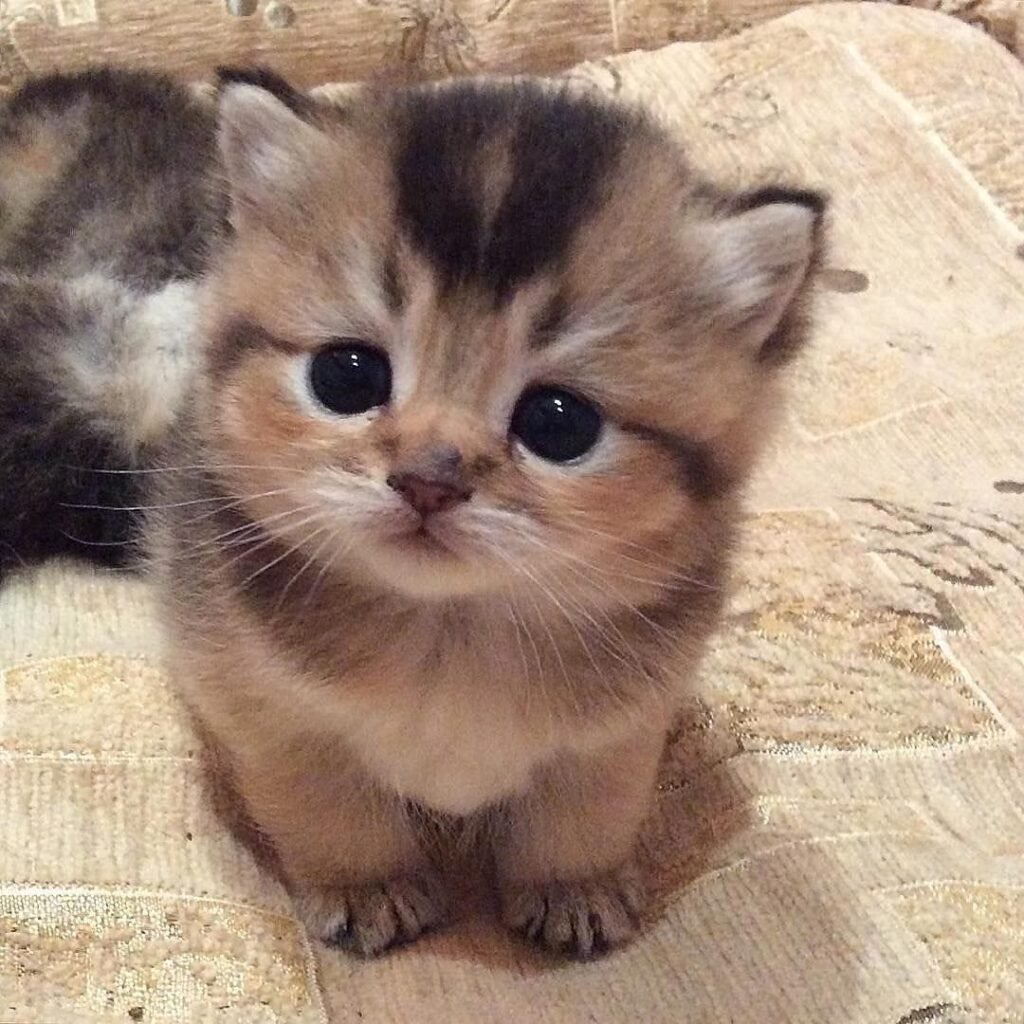

Have you ever looked at a cat and instantly felt your mood improve? Maybe it was a tiny kitten with oversized eyes, a fluffy feline curled up in a sunbeam, or a playful cat chasing an invisible target across the room. Whatever the scenario, there’s something undeniably special about cats that captures human attention.
The popularity of cute cats isn’t just a modern internet phenomenon. Humans have adored felines for thousands of years. From ancient civilizations that worshipped them to today’s endless stream of cat videos and pet photos online, cats have maintained a unique place in our hearts.
But why exactly are people so drawn to them?
The answer lies in a fascinating mix of biology, psychology, evolution, and emotional connection. Science suggests that our love for cute cats is deeply rooted in the way the human brain responds to certain physical features and behaviors. Their appearance, movements, sounds, and personalities all work together to create an irresistible charm.
Let’s explore the science behind this global affection for cats and discover why these furry companions continue to win over millions of people worldwide.
What Makes a Cat Look Cute?
Before understanding why humans love cats so much, it’s important to understand what makes them appear cute in the first place.
The Baby Schema Effect
One of the most influential theories comes from Austrian ethologist Konrad Lorenz, who introduced the concept known as the “baby schema” or “Kindchenschema.”
This theory suggests that humans are naturally attracted to features commonly found in babies, including:
- Large eyes
- Round faces
- Small noses
- Chubby cheeks
- Soft skin or fur
- Small body size
Interestingly, many cute cats, especially kittens, possess these exact characteristics.
| Cute Feature | Human Response |
|---|---|
| Big eyes | Protective instinct |
| Round face | Affection and nurturing |
| Small nose | Increased perception of cuteness |
| Soft fur | Comfort and tactile pleasure |
| Tiny body | Desire to care for and protect |
As a result, when we see a kitten or an especially adorable cat, our brains react similarly to how they respond when seeing a human baby.
Why Kittens Are Almost Impossible to Ignore
Kittens are arguably among the cutest animals on the planet.
Their:
- Tiny paws
- Fluffy coats
- High-pitched meows
- Clumsy movements
- Curious behavior
trigger powerful emotional reactions in people.
Scientists believe these traits activate caregiving instincts that evolved to help humans care for vulnerable offspring.
The Brain Chemistry Behind Loving Cute Cats
Our affection for cats isn’t only emotional—it’s chemical.
The Role of Dopamine
When people interact with cute cats, the brain often releases dopamine.
Dopamine is commonly known as the “feel-good” neurotransmitter. It plays a major role in:
- Pleasure
- Reward
- Motivation
- Happiness
Looking at adorable cat photos can provide a small dopamine boost, which helps explain why people enjoy browsing cat content online for hours.
Oxytocin and Human-Animal Bonding
Oxytocin is another important hormone.
Often called the “love hormone,” oxytocin strengthens social bonds and feelings of trust.
Research shows that interacting with pets can increase oxytocin levels in both humans and animals.
Activities such as:
- Petting a cat
- Playing with a kitten
- Cuddling a feline companion
- Hearing a cat purr
may help create a stronger emotional connection between humans and cats.
Reduced Stress and Anxiety
Numerous studies suggest that spending time with pets can lower stress levels.
Benefits may include:
- Lower blood pressure
- Reduced anxiety
- Improved mood
- Greater relaxation
- Emotional comfort
This means cute cats aren’t just visually appealing—they may also contribute to mental well-being.
Why Cat Faces Trigger Strong Emotional Reactions
The Power of Eye Contact
A cat’s eyes are one of its most captivating features.
Large pupils, expressive gazes, and slow blinking behavior can create feelings of affection and trust.
Many cat owners describe feeling emotionally connected simply by looking into their pet’s eyes.
Facial Symmetry and Attraction
Humans naturally find symmetrical faces attractive.
Many popular cat breeds possess facial proportions that align with our preferences for balance and harmony.
Examples include:
- Round facial structures
- Even spacing between eyes
- Balanced ear placement
- Smooth facial contours
These characteristics contribute significantly to perceived feline beauty.
The Evolutionary Explanation
Why Humans Protect Small Creatures
From an evolutionary perspective, humans developed strong caregiving instincts to ensure survival of offspring.
However, these instincts are not exclusively directed toward human babies.
Animals displaying infant-like features often activate similar nurturing responses.
This phenomenon explains why people:
- Adopt kittens
- Rescue stray cats
- Spend money on pet care
- Feel protective toward animals
The same psychological mechanisms that helped human infants survive may also contribute to our affection for cute cats.
Domestication Strengthened the Bond
Cats have lived alongside humans for roughly 9,000 years.
During domestication, cats that displayed friendlier behaviors likely benefited from closer relationships with people.
Over generations, traits such as:
- Sociability
- Playfulness
- Vocal communication
- Friendly temperament
became increasingly common.
As a result, modern domestic cats are exceptionally skilled at attracting human attention.
Why Cat Behavior Is So Endearing
Physical appearance is only part of the story.
A cat’s behavior also plays a major role in its appeal.
Playfulness Captures Attention
Cats are natural hunters.
Even indoor cats display behaviors such as:
- Pouncing
- Chasing
- Stalking
- Jumping
- Batting toys
These playful actions entertain humans and strengthen emotional bonds.
Watching a cat play often evokes joy and laughter.
The Charm of Curiosity
Cats investigate everything.
Boxes, bags, shelves, windows, and random household objects quickly become subjects of feline exploration.
This curiosity makes cats endlessly entertaining.
The Magic of Purring
A cat’s purr is one of the most soothing sounds in nature.
Many people associate purring with:
- Safety
- Comfort
- Relaxation
- Contentment
Some researchers even suggest that certain purring frequencies may have calming effects on humans.
Why Social Media Made Cute Cats Even More Popular
Cats Dominate the Internet
Few animals enjoy the online popularity that cats do.
Cat videos, memes, photos, and viral clips receive billions of views annually.
But why?
Because cute cats combine several qualities that perform exceptionally well online:
- Visual appeal
- Humor
- Unpredictability
- Relatability
- Emotional warmth
Instant Emotional Reward
Social media users often seek quick positive experiences.
A funny cat video can provide:
- Entertainment
- Stress relief
- Emotional uplift
- Temporary escape from daily pressures
This creates a cycle where users repeatedly engage with feline content.
The Rise of Cat Influencers
Some cats have achieved celebrity status through social platforms.
Their popularity demonstrates how strongly people respond to adorable feline features and personalities.
Different Cat Breeds and Their Cuteness Appeal
Not all cats look the same.
Different breeds possess unique characteristics that influence how humans perceive them.
Fluffy Breeds
Popular fluffy breeds include:
- Persian cats
- Maine Coons
- Ragdolls
- Siberians
Their luxurious coats often increase perceptions of softness and cuteness.
Round-Faced Breeds
Breeds known for round facial features include:
- British Shorthair
- Scottish Fold
- Exotic Shorthair
These breeds strongly resemble baby-schema characteristics.
Energetic Breeds
Highly active breeds include:
- Bengal
- Abyssinian
- Oriental Shorthair
Their playful personalities create a different type of appeal focused on intelligence and interaction.
The Emotional Benefits of Owning Cute Cats
Companionship Without Pressure
Cats offer companionship while maintaining a degree of independence.
Many owners appreciate that cats:
- Enjoy affection
- Respect personal space
- Adapt to various lifestyles
This balance contributes to long-term owner satisfaction.
Support During Difficult Times
Many people report that their cats provide comfort during:
- Stressful periods
- Loneliness
- Grief
- Life transitions
The simple presence of a trusted pet can make a meaningful difference.
Daily Joy and Routine
Caring for a cat creates structure.
Activities such as:
- Feeding
- Grooming
- Playing
- Cuddling
can bring moments of happiness throughout the day.
The Science of Cute Aggression
Have you ever looked at a kitten and felt overwhelmed by its cuteness?
Psychologists call this reaction “cute aggression.”
Despite the name, it doesn’t involve actual aggression.
Instead, people may feel an intense urge to:
- Squeeze
- Hug
- Pinch cheeks
- Express excitement
Researchers believe this response helps regulate overwhelming positive emotions.
Essentially, the brain tries to maintain emotional balance when confronted with extreme cuteness.
Why People Form Deep Bonds With Cats
Personality Matters
Cats possess distinct personalities.
Some are:
- Affectionate
- Playful
- Independent
- Curious
- Vocal
- Gentle
This individuality helps owners develop meaningful relationships with their pets.
Mutual Trust
Cats don’t automatically trust everyone.
When a cat chooses to sit beside you, follow you around, or sleep near you, many people perceive it as a special sign of affection.
That sense of earned trust can strengthen emotional attachment.
Shared Experiences
Over time, owners and cats build routines and memories together.
These experiences transform pets from animals into cherished family members.
Fascinating Facts About Cute Cats
Here are some interesting facts that help explain feline popularity:
- Cats can make over 100 vocal sounds.
- A cat’s purr typically ranges between 25 and 150 Hz.
- Domestic cats spend up to 16 hours a day sleeping.
- Many cats recognize their names.
- Whiskers help cats navigate their surroundings.
- Cats communicate through body language, vocalizations, and scent.
- The world’s pet cat population numbers in the hundreds of millions.
These traits contribute to the endless fascination people have with cute cats.
Why Our Love for Cute Cats Isn’t Going Away
As science continues exploring human-animal relationships, one fact remains clear: cats occupy a unique position in human culture.
Their combination of:
- Adorable physical features
- Engaging personalities
- Comforting presence
- Playful behavior
- Emotional companionship
creates a powerful connection that spans generations and cultures.
Whether it’s a sleepy kitten curled up on a blanket, a fluffy cat chasing a toy, or a loyal feline companion greeting you at the door, cats have a remarkable ability to brighten everyday life.
Conclusion
The widespread love for cute cats is far more than a simple preference. It is rooted in biology, psychology, evolution, and emotional connection. Their large eyes, soft fur, playful behavior, soothing purrs, and baby-like features activate powerful responses within the human brain. At the same time, their companionship offers comfort, joy, and genuine emotional support.