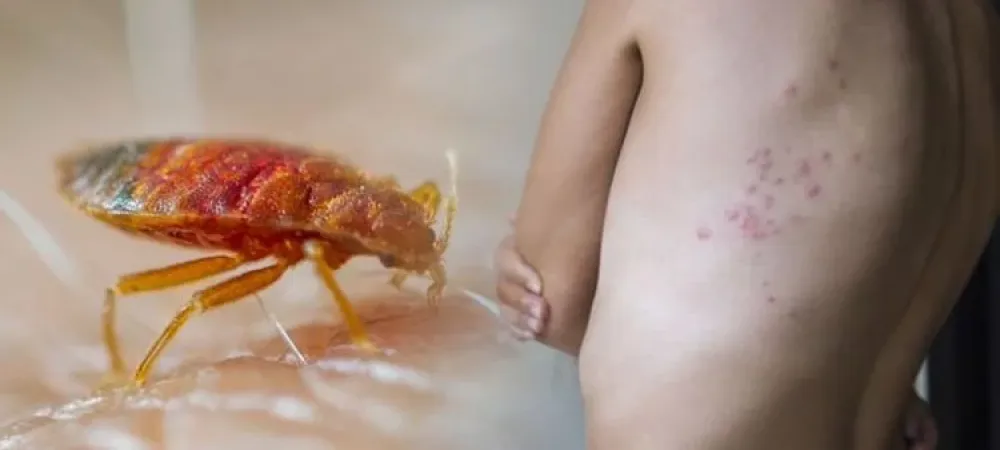

You wake up, stretch, and notice a few red, itchy spots on your arm. Mosquitoes? Bed bugs? Not always. Sometimes, the culprit is far less obvious—and far more misunderstood. Carpet beetle bites are one of those sneaky skin irritations that confuse homeowners every day.
Here’s the twist: carpet beetles don’t actually bite in the traditional sense. Yet, people still experience rashes, itching, and discomfort that feel very real. So what’s going on?
In this guide, we’ll unpack everything you need to know about carpet beetle bites—from what causes them to how you can treat and prevent them. Whether you’re dealing with mysterious skin irritation or just want to protect your home, you’re in the right place.
What Are Carpet Beetles?
Before diving into carpet beetle bites, it helps to understand the insect itself.
Carpet beetles are tiny pests often found in homes, especially in fabrics, carpets, upholstery, and clothing. They belong to the Dermestidae family and are commonly mistaken for harmless bugs.
Common Types of Carpet Beetles
- Black carpet beetles
- Varied carpet beetles
- Furniture carpet beetles
These insects feed on natural fibers like wool, silk, leather, and even pet hair. While adult beetles are relatively harmless, their larvae are the real problem.
Do Carpet Beetles Actually Bite?
Let’s clear this up right away: carpet beetle bites are not actual bites.
Instead, the irritation people experience comes from contact with the tiny, hair-like bristles on carpet beetle larvae. These bristles can trigger an allergic reaction in sensitive individuals.
So when people refer to carpet beetle bites, they’re usually talking about:
- Skin rashes
- Allergic reactions
- Itchy red bumps
This distinction matters because it changes how you treat and prevent the issue.
Causes of Carpet Beetle Bites (Skin Reactions)
Carpet beetle bites—or more accurately, skin reactions—are caused by exposure to larvae and their shed skins.
Key Causes Include:
- Contact with larvae hairs (setae)
- Allergic sensitivity to proteins in the hairs
- Infestation in bedding or clothing
- Accumulation of dust and lint where larvae thrive
Moreover, these pests often hide in places you rarely clean, such as under furniture or inside closets.
Where Exposure Happens Most
- Beds and mattresses
- Carpets and rugs
- Closets and wardrobes
- Upholstered furniture
- Air vents and ducts
If you’re experiencing carpet beetle bites, chances are you’ve unknowingly come into contact with these areas.
Symptoms of Carpet Beetle Bites
Carpet beetle bites can look very similar to other insect bites, which makes them tricky to identify.
Common Symptoms
- Red, itchy bumps
- Small rash clusters
- Skin irritation or inflammation
- Burning or stinging sensation
- Mild swelling
In addition, some people develop more severe allergic reactions depending on their sensitivity.
Carpet Beetle Rash vs Bed Bug Bites
| Feature | Carpet Beetle Bites | Bed Bug Bites |
|---|---|---|
| Cause | Allergic reaction | Actual bite |
| Pattern | Random rash | Often in lines |
| Pain level | Mild to moderate | Moderate |
| Timing | Anytime | Mostly at night |
Understanding this difference can help you avoid misdiagnosis and unnecessary treatments.
How to Identify Carpet Beetle Infestation
If you suspect carpet beetle bites, it’s important to confirm whether these pests are actually present.
Signs of Infestation
- Tiny, oval-shaped beetles near windows
- Larvae that look like fuzzy worms
- Shed skins in corners or fabric folds
- Holes in clothing or carpets
- Presence of lint and debris
Furthermore, you may notice damage to natural fibers like wool sweaters or blankets.
Who Is Most Affected?
Not everyone reacts to carpet beetle bites the same way.
High-Risk Groups
- People with sensitive skin
- Allergy sufferers
- Children
- Individuals with asthma
Interestingly, some people may live with carpet beetles and never experience symptoms at all.
How to Treat Carpet Beetle Bites
While carpet beetle bites are not dangerous, they can be uncomfortable. Fortunately, treatment is usually simple and effective.
Immediate Relief Options
- Wash affected area with soap and water
- Apply cold compress to reduce swelling
- Use anti-itch creams like hydrocortisone
- Take antihistamines for allergic reactions
Moreover, avoid scratching, as this can lead to infection.
Natural Remedies
- Aloe vera gel for soothing skin
- Oatmeal baths for itching relief
- Tea tree oil (diluted) for inflammation
These remedies can help calm the skin without harsh chemicals.
When to See a Doctor
In most cases, carpet beetle bites resolve on their own. However, medical attention may be needed if:
- Rash spreads rapidly
- Severe swelling occurs
- Signs of infection appear (pus, warmth, pain)
- Symptoms persist for more than a week
Always prioritize your health if something feels off.
How to Get Rid of Carpet Beetles
Treating carpet beetle bites is only half the solution. You also need to eliminate the source.
Cleaning and Prevention Steps
- Vacuum carpets, rugs, and furniture thoroughly
- Wash bedding and clothing in hot water
- Clean closets and storage areas
- Remove lint, dust, and pet hair
- Seal cracks and gaps in walls
Consistency is key here. One deep clean won’t solve the problem if larvae are still present.
Chemical Treatments
Sometimes, cleaning alone isn’t enough.
Effective Pest Control Options
- Insecticides designed for carpet beetles
- Boric acid powder
- Professional pest control services
However, always follow safety instructions when using chemicals, especially around children and pets.
Preventing Carpet Beetle Bites in the Future
Once you’ve dealt with carpet beetle bites, prevention becomes your best defense.
Smart Prevention Tips
- Store clothes in airtight containers
- Use mothballs or cedar blocks
- Keep humidity levels low
- Regularly vacuum hidden areas
- Inspect second-hand furniture before bringing it home
In addition, maintaining a clean environment significantly reduces the risk of infestation.
Common Myths About Carpet Beetle Bites
Let’s clear up a few misconceptions.
Myth 1: Carpet Beetles Bite Like Mosquitoes
False. Carpet beetle bites are allergic reactions, not actual bites.
Myth 2: Only Dirty Homes Get Infested
Not true. Even clean homes can have carpet beetles.
Myth 3: They Only Live in Carpets
They can also live in clothing, furniture, and air vents.
Understanding these myths helps you take more effective action.
Carpet Beetle Bites vs Other Skin Conditions
Carpet beetle bites are often confused with other issues.
Similar Conditions
- Bed bug bites
- Flea bites
- Contact dermatitis
- Eczema
- Mosquito bites
If you’re unsure, observing patterns and checking your environment can provide clues.
Emotional Impact of Carpet Beetle Bites
It might sound minor, but dealing with carpet beetle bites can be stressful.
People often feel:
- Frustrated by persistent itching
- Anxious about infestations
- Confused about the source
Moreover, the uncertainty can lead to unnecessary treatments or panic.
Real-Life Example
Imagine this: You’ve been waking up with itchy skin for days. You check your mattress—nothing. You wash your sheets—still itchy. Finally, you vacuum under the bed and find tiny larvae hiding in dust and lint.
That’s a classic carpet beetle bites scenario.
Key Takeaways
- Carpet beetle bites are actually allergic reactions
- Larvae hairs cause skin irritation
- Symptoms include rash, itching, and redness
- Cleaning is the most effective prevention method
- Treatment focuses on relieving symptoms and removing exposure
Conclusion
Carpet beetle bites may not come from actual biting insects, but the discomfort they cause is very real. The good news? Once you understand the source, they’re manageable—and preventable.
By keeping your home clean, staying alert to early signs, and treating symptoms promptly, you can protect both your space and your skin.