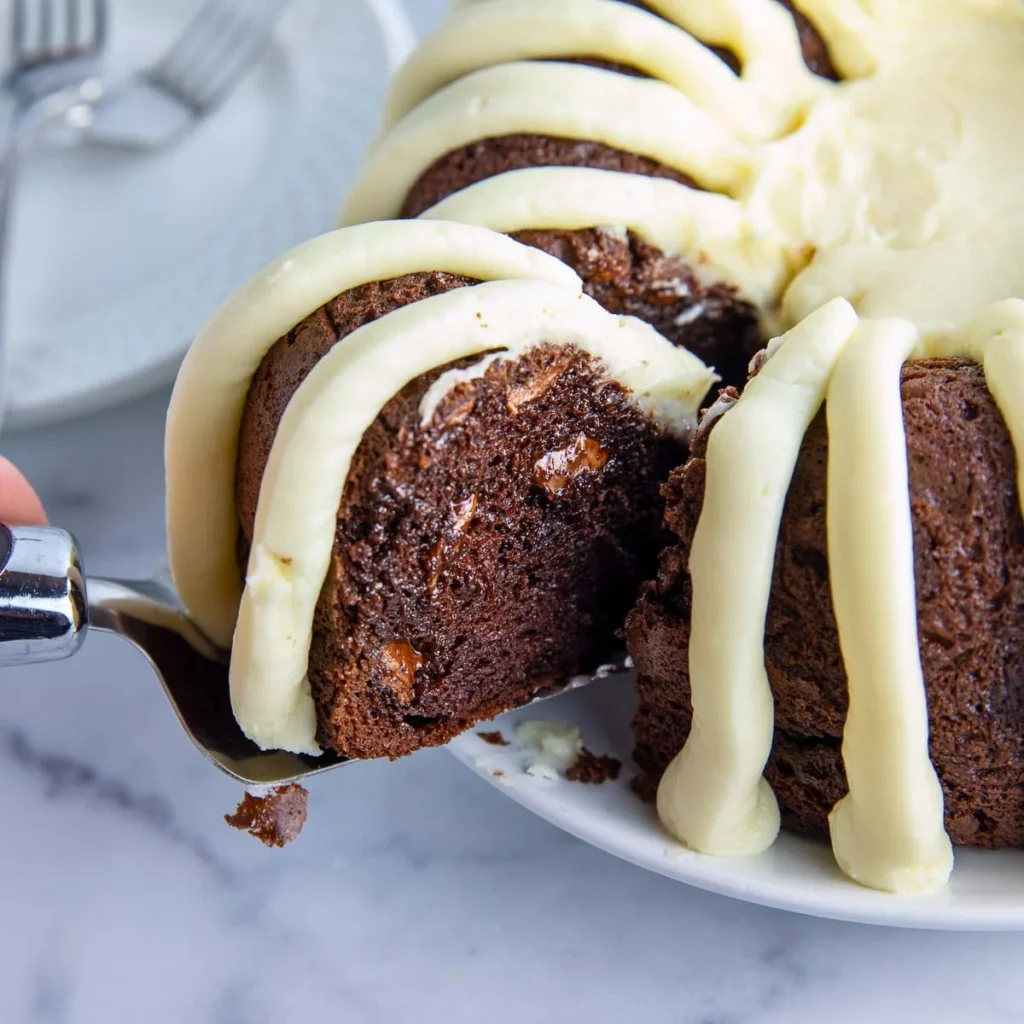

The Comfort of a Homemade Bundt Cake
There’s something deeply comforting about a freshly baked bundt cake sitting on a kitchen counter, still slightly warm, with its golden crust catching the light. It’s not just dessert—it feels like tradition, memory, and a little bit of home all baked into one beautiful ring-shaped creation.
Many home bakers hesitate when it comes to making a bundt cake, thinking it’s complicated or overly delicate. In reality, once you understand the rhythm of the process, it becomes one of the most rewarding cakes to bake. The texture, the aroma, the simple elegance—it all comes together beautifully.
In this guide, you’ll learn exactly how to bake a perfect bundt cake step by step, even if you’re a beginner. We’ll talk ingredients, baking methods, common mistakes, and pro tips that make all the difference.
By the end, you won’t just know how to bake a bundt cake—you’ll feel confident making it your own.
What Makes a Bundt Cake Special?
A bundt cake isn’t defined by its flavor but by its shape. That signature ring design comes from a special bundt pan, which allows even baking and a beautiful presentation without much decoration.
Unlike layered cakes, a bundt cake focuses on simplicity and texture. It can be dense like a pound cake or soft and fluffy like a vanilla sponge, depending on the recipe.
What makes a bundt cake stand out is:
- Moist crumb texture
- Elegant fluted design
- Easy serving style
- Versatility in flavor
- Minimal decoration required
People often associate bundt cake with celebrations, tea time, and cozy family gatherings.
Essential Ingredients for a Perfect Bundt Cake
Before you start baking, gathering the right ingredients is crucial. A good bundt cake depends heavily on balance and quality.
Basic Ingredients List
Here’s what you typically need for a classic bundt cake:
- All-purpose flour
- Granulated sugar
- Unsalted butter
- Eggs
- Baking powder
- Baking soda
- Vanilla extract
- Milk or buttermilk
- Salt
- Vegetable oil (for extra moisture)
Each ingredient plays a role in the final texture. For example, butter adds richness, while buttermilk helps create a tender crumb in your bundt cake.
Step-by-Step Guide to Baking a Bundt Cake
Now let’s walk through the process in a simple, practical way.
Step 1: Prepare Your Bundt Pan
The first and most important step is preparing your bundt pan properly. This step can make or break your bundt cake.
- Grease every corner of the pan with butter or oil
- Dust lightly with flour or cocoa powder (for chocolate cakes)
- Tap out excess flour
A well-prepared pan ensures your bundt cake releases cleanly without sticking or breaking.
Step 2: Preheat the Oven
Set your oven to 175°C (350°F). Preheating ensures your bundt cake starts baking evenly from the moment it goes in.
Step 3: Mix Dry Ingredients
In a bowl, combine:
- Flour
- Baking powder
- Baking soda
- Salt
Whisking these ingredients helps distribute leavening agents evenly, which is essential for a properly risen bundt cake.
Step 4: Cream Butter and Sugar
In a separate bowl, beat butter and sugar until light and fluffy. This step introduces air into the batter, giving your bundt cake a soft texture.
You can use:
- Hand mixer
- Stand mixer
- Or even a whisk (with patience)
Step 5: Add Eggs and Vanilla
Add eggs one at a time, mixing well after each addition. Then stir in vanilla extract.
This stage builds structure and flavor for your bundt cake.
Step 6: Combine Wet and Dry Ingredients
Alternate adding dry ingredients and milk into the butter mixture. Start and end with dry ingredients.
Do not overmix. Overmixing can make your bundt cake dense instead of soft.
Step 7: Pour Batter into Pan
Carefully pour the batter into your prepared bundt pan. Tap the pan gently on the counter to remove air bubbles.
Step 8: Bake the Bundt Cake
Place in the oven and bake for 40–55 minutes depending on your recipe.
You’ll know your bundt cake is ready when:
- A toothpick comes out clean
- The top is golden brown
- The edges slightly pull away from the pan
Step 9: Cooling Process
Let the bundt cake cool in the pan for 10–15 minutes. Then gently invert it onto a wire rack.
Patience is key here—removing it too early can break the cake.
Expert Tips for a Moist Bundt Cake
A dry cake is every baker’s fear. These tips ensure your bundt cake stays moist and flavorful:
- Use buttermilk instead of regular milk
- Don’t overbake
- Add sour cream or yogurt for richness
- Measure ingredients accurately
- Let ingredients reach room temperature before mixing
- Brush with simple syrup after baking
These small adjustments can dramatically improve your bundt cake texture.
Common Mistakes to Avoid
Even experienced bakers make mistakes. Here are the most common ones:
- Not greasing the pan properly
- Overmixing the batter
- Opening the oven too early
- Incorrect oven temperature
- Removing bundt cake too soon from the pan
Avoiding these will significantly improve your baking results.
Flavor Variations for Bundt Cake
One of the best things about bundt cake is how flexible it is.
Popular variations include:
- Vanilla bundt cake
- Chocolate bundt cake
- Lemon bundt cake
- Marble bundt cake
- Cinnamon bundt cake
- Almond bundt cake
- Banana bundt cake
- Red velvet bundt cake
Each version brings a unique personality while keeping the same classic structure of a bundt cake.
Baking Equipment You Need
| Equipment | Purpose |
|---|---|
| Bundt pan | Shapes the cake |
| Mixing bowls | For combining ingredients |
| Electric mixer | Creaming butter and sugar |
| Spatula | Folding batter |
| Cooling rack | Prevents soggy base |
| Measuring cups | Accuracy in baking |
Good tools make baking a bundt cake easier and more enjoyable.
Final Thoughts: Mastering the Bundt Cake
Baking a bundt cake is less about perfection and more about practice, patience, and enjoying the process. Once you understand the basics, it becomes a relaxing and creative experience rather than a challenge.
A well-made bundt cake brings people together. It’s the kind of dessert that doesn’t need fancy decoration to impress—it speaks for itself through texture, flavor, and warmth.
So the next time you’re in the mood to bake, don’t hesitate. Try this method, trust the process, and enjoy every step of creating your own bundt cake masterpiece.