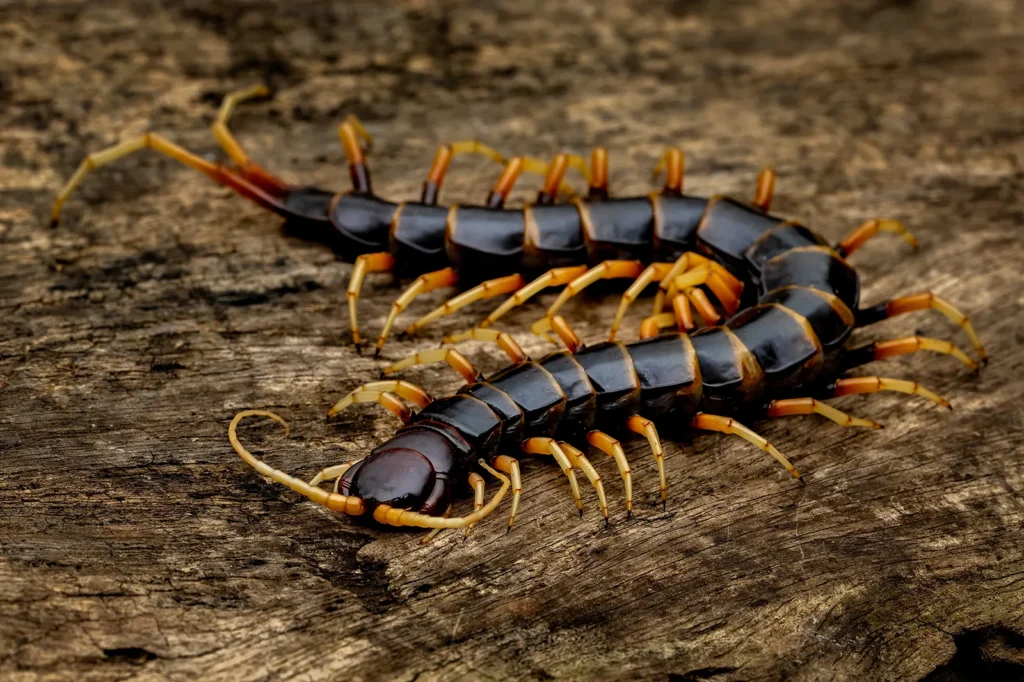

Why the House Centipede Gets So Much Attention
If you’ve ever walked into your bathroom late at night and spotted a fast, many-legged creature darting across the wall, you already know the uneasy feeling that comes with it. That creature is most likely a house centipede, and it has a way of startling even the calmest homeowner.
Despite its creepy appearance, the house centipede is far more helpful than harmful. Still, most people don’t want them indoors. Understanding the house centipede, its habits, and why it shows up in homes can make a huge difference in how you deal with it.
In this detailed guide, we’ll break down everything from behavior and habitat to natural control methods and prevention tips. By the end, you’ll know exactly how to handle a house centipede problem without panic.
What Is a House Centipede?
The house centipede (scientifically known as Scutigera coleoptrata) is an arthropod with a long, flattened body and up to 15 pairs of legs. It moves quickly, almost like it’s gliding, which makes it even more noticeable when it appears indoors.
Unlike many pests, the house centipede is actually a predator. It feeds on other insects and helps reduce infestations naturally.
Key Characteristics of House Centipedes
- Long, segmented body
- 15 pairs of long, delicate legs
- Yellowish-gray color with dark stripes
- Extremely fast movement
- Prefers dark, damp environments
- Nocturnal behavior
Even though the house centipede looks threatening, it rarely causes harm to humans.
Behavior of House Centipedes
Understanding behavior is the first step in controlling any pest, and the house centipede is no exception.
Nocturnal Hunters
House centipedes are active at night. They hunt insects such as:
- Cockroaches
- Ants
- Silverfish
- Termites
- Bed bugs
- Spiders
- Moths
Because of this, they are often considered beneficial predators inside the home.
Speed and Movement
One of the most shocking traits of a house centipede is its speed. It can move across walls, floors, and ceilings in seconds. This rapid movement is a defense mechanism to escape predators.
Solitary Nature
Unlike ants or termites, house centipedes are not social insects. A single house centipede usually means there are hidden insect populations nearby, not a centipede colony.
Habitat: Where House Centipedes Live
The natural habitat of a house centipede is typically outdoors, but they often migrate indoors in search of food and moisture.
Common Indoor Locations
You’ll often find house centipedes in:
- Bathrooms
- Basements
- Kitchens
- Laundry rooms
- Crawl spaces
- Under sinks
- Behind furniture
These areas provide humidity, darkness, and insects to feed on.
Outdoor Habitat
Outside the home, the house centipede prefers:
- Leaf litter
- Under rocks
- Mulch beds
- Garden soil
- Wood piles
They thrive in environments with moisture and organic material.
Why House Centipedes Enter Homes
There’s a simple truth: if you see a house centipede, it usually means your home has other insects.
Common Reasons Include:
- High humidity levels
- Presence of other pests
- Cracks in walls or foundations
- Poor ventilation
- Damp basements
- Leaky pipes or plumbing issues
In other words, the house centipede isn’t the real problem—it’s the conditions that attract it.
Diet and Role in the Ecosystem
The house centipede plays an important ecological role as a natural pest controller.
What They Eat
Their diet includes:
- Roaches
- Silverfish
- Bed bugs
- Termites
- Carpet beetles
- Fleas
- Mites
- Small spiders
This makes the house centipede a helpful insect in many situations.
Natural Pest Control Benefits
While they may look unpleasant, house centipedes actually reduce pest populations inside homes. Some people even consider them “free pest control,” although most homeowners still prefer not to share space with them.
House Centipede Infestation: Should You Be Worried?
Seeing one or two house centipedes is normal. However, repeated sightings can signal a deeper issue.
Signs of a Bigger Problem
- Frequent sightings at night
- Other insect infestations present
- Damp or humid indoor spaces
- Cracks and entry points in walls
- Food or moisture sources left unchecked
If the environment supports insects, the house centipede will likely follow.
How to Control House Centipedes
Getting rid of a house centipede isn’t just about killing what you see—it’s about removing what attracts them.
1. Reduce Moisture
Moisture control is the most effective strategy:
- Fix leaking pipes
- Use dehumidifiers
- Improve ventilation
- Dry damp areas quickly
2. Eliminate Food Sources
Since house centipedes feed on insects, controlling pests is crucial:
- Use proper pest control methods
- Clean kitchen areas regularly
- Store food properly
- Remove clutter where insects hide
3. Seal Entry Points
Preventing access is key:
- Seal cracks in walls
- Repair window gaps
- Close foundation openings
- Install door sweeps
4. Natural Remedies
Some natural options include:
- Diatomaceous earth
- Essential oils (peppermint, tea tree)
- Sticky traps
- Vinegar sprays
5. Professional Pest Control
If the house centipede problem persists, pest control experts may be needed to address underlying infestations.
Prevention Tips for House Centipedes
Preventing a house centipede problem is easier than dealing with one.
Practical Prevention Steps
- Keep indoor humidity below 50%
- Declutter storage spaces
- Clean drains regularly
- Remove piles of cardboard or paper
- Maintain outdoor landscaping
- Store firewood away from home walls
Consistency is the key here. A clean, dry home is far less attractive to a house centipede.
Common Myths About House Centipedes
There are several misconceptions about the house centipede that need clearing up.
Myth 1: They Are Dangerous
Reality: House centipedes rarely bite humans, and if they do, it’s mild and uncommon.
Myth 2: They Spread Disease
Reality: The house centipede is not known to transmit diseases.
Myth 3: They Mean Your House Is Dirty
Reality: Even clean homes can attract house centipedes if moisture or insects are present.
Myth 4: They Come in Large Colonies
Reality: House centipedes are solitary creatures.
Table: Quick Facts About House Centipedes
| Feature | Details |
|---|---|
| Scientific Name | Scutigera coleoptrata |
| Type | Arthropod |
| Legs | Up to 30 (15 pairs) |
| Lifespan | 5–7 years |
| Diet | Insects and small arthropods |
| Habitat | Damp indoor/outdoor spaces |
| Activity | Nocturnal |
| Risk to Humans | Very low |
Conclusion: Living With or Controlling the House Centipede
At the end of the day, the house centipede is one of those creatures that looks far worse than it actually is. While its appearance can be unsettling, it plays a useful role in controlling other household pests.
Still, no one really wants a house centipede running across their bathroom wall at night. The best approach is not fear, but understanding. Control moisture, eliminate insect food sources, and seal entry points, and you’ll drastically reduce the chances of seeing one.